
TL;DR
The wet season (December-May) gives you warm water, calm seas, excellent snorkeling visibility, lush green islands, and the best conditions for families or anyone sensitive to motion sickness. The dry season (June-November) gives you cooler, nutrient-rich water with more marine life density, more active seabird nesting, whale watching, and sea lion pups. The wet season is better for on-the-water comfort. The dry season is better for wildlife volume and hiking comfort. Neither is objectively superior – they’re two genuinely different Galapagos experiences on the same set of islands.
Galapagos Wet Season vs Dry Season: Quick Facts
| Factor | Wet Season (Dec-May) | Dry Season (Jun-Nov) |
|---|---|---|
| Air Temperature | 75-90°F (24-32°C) | 64-77°F (18-25°C) |
| Water Temperature | 73-82°F (23-28°C) | 64-72°F (18-22°C) |
| Snorkeling Visibility | Excellent (15-30m) | Good (10-20m) |
| Marine Life Density | Good | Peak – Humboldt Current drives surge |
| Sea Conditions | Calm – ideal for families | Moderate to rough (worst: Aug-Sep) |
| Wetsuit Needed? | No (Feb-Apr warmest) | Yes, 3mm minimum, 5mm for western sites |
| Rainfall | Brief afternoon showers (peak: Feb-Mar) | Virtually none |
| Garúa Mist | Absent | Present in highlands (Jun-Nov) |
| Island Landscape | Lush, vivid green | Arid lowlands; green highlands |
| Hiking Comfort | Hot and humid (Jan-Mar) | Cool and comfortable |
| Waved Albatross | Absent (Jan-Mar) | Present Apr-Dec (courtship Apr-May) |
| Sea Lion Pups | Older pups from prior season | Newborn pups (Aug-Oct) |
| Whale Watching | Less consistent | Prime (Jun-Oct) |
| National Park Entry Fee | $200/adult, $100/child – same both seasons (Verified May 2026) |
What Is the Wet Season and Dry Season in the Galapagos?
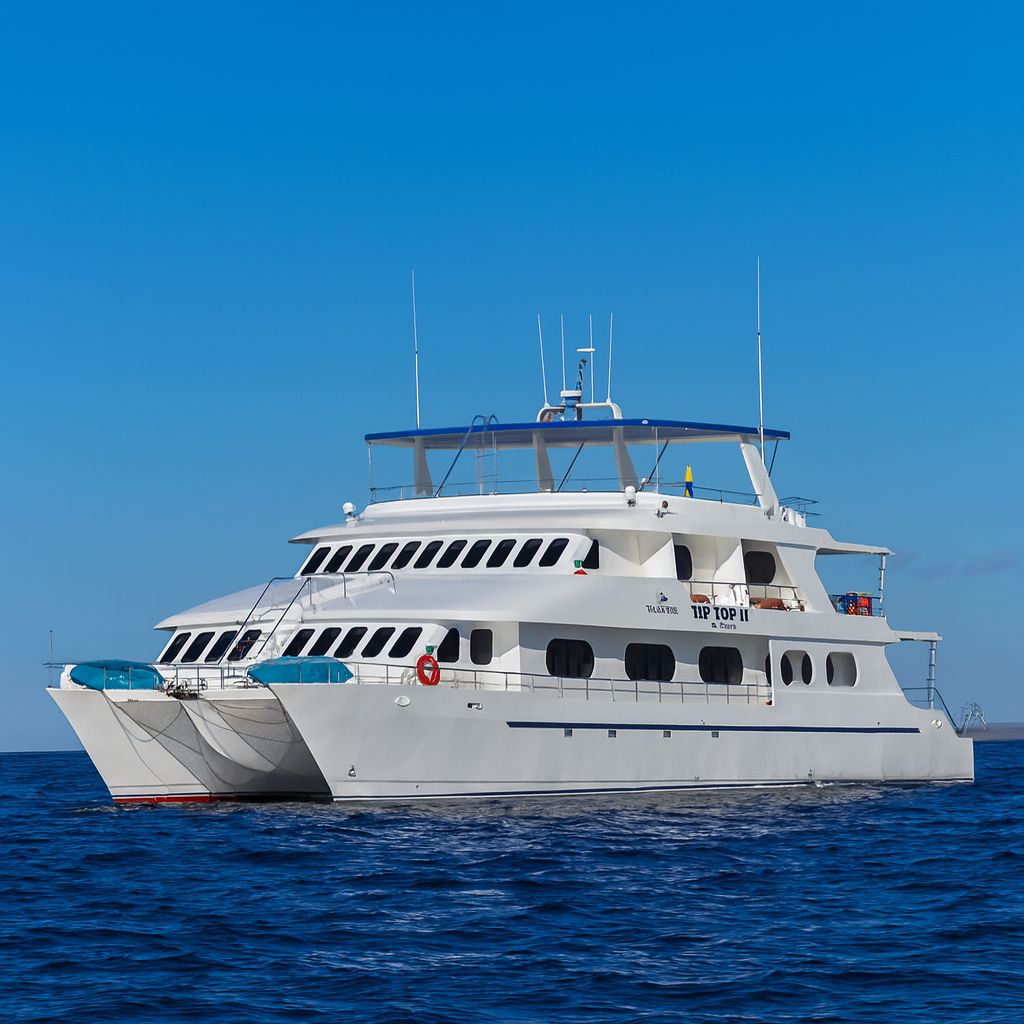
The Galapagos wet season runs from December through May, driven by the warm Panama Current from the north. The dry season runs from June through November, driven by the cold Humboldt Current from Antarctica. These aren’t seasonal temperature swings in the way most travelers expect – air temperatures year-round stay between 64°F and 90°F (18-32°C). What actually changes is the ocean current, which determines water temperature, sea conditions, rainfall, marine life density, and the coastal landscape from green to arid and back again.
The naming is mildly misleading and consistently confuses first-time visitors. “Wet season” doesn’t mean grey skies and constant rain. The wettest months, February and March, average around 3 inches of rainfall for the entire month, falling as concentrated afternoon showers that clear in under an hour. Compare that to genuinely wet tropical destinations like Costa Rica in October, and the Galapagos wet season feels dry. Similarly, “dry season” doesn’t mean clear sunny days. The garúa, a fine cool mist that settles over the highland areas from June through November, produces overcast mornings that can surprise travelers expecting wall-to-wall blue sky.
The real drivers of seasonal character in the Galapagos are two ocean currents operating on opposite ends of the year. The Panama Current warms the water and the air, calms the seas, reduces nutrient concentration, and triggers the lush vegetation and terrestrial nesting behavior that defines the wet season. The Humboldt Current cools the water dramatically, produces rough trade-wind conditions on crossings, floods the marine ecosystem with nutrients, and fuels the marine life surge and seabird nesting activity that defines the dry season. Understanding these mechanisms makes the season comparison far more useful than simply knowing which months have more rain.
Want to know which months balance the best wildlife activity with the most comfortable cruising conditions? Here’s our best time of year to take a Galapagos cruise guide so you don’t book the wrong time of year.
What Is the Weather Like in Each Season?
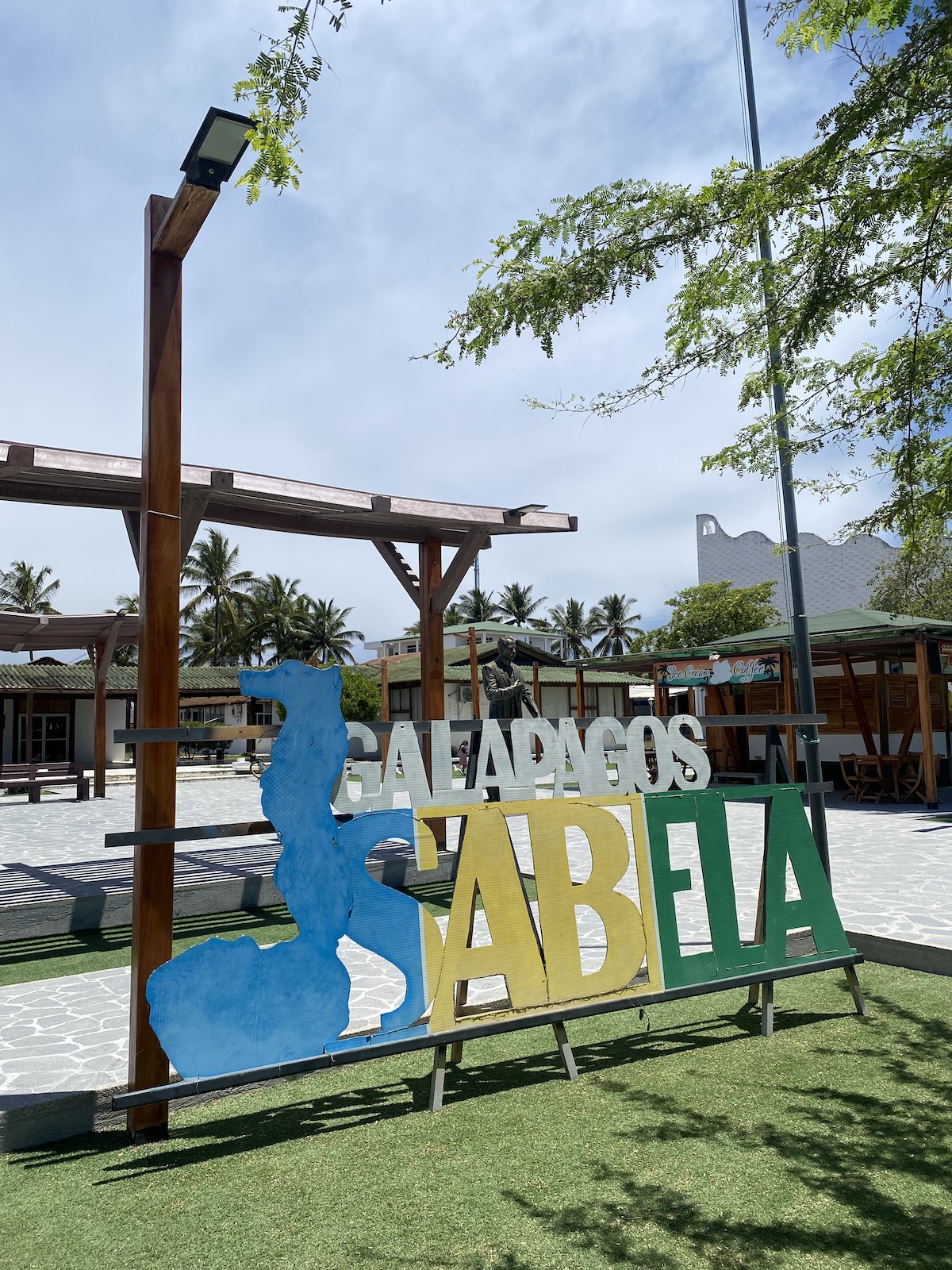
Wet season (Dec-May): warm, occasionally humid, brief afternoon showers, calm seas, no garúa mist, clear morning skies. Dry season (Jun-Nov): cool, dry, overcast mornings in highland areas from garúa mist, choppy to rough seas on open crossings, clear afternoons. Both seasons have around 12 hours of daylight near the equator. The wet season is better for swimming comfort and shore excursion energy. The dry season is better for hiking and cooler activity.
The heat of February and March is the wet season’s most physically demanding aspect. Midday shore excursions across black lava fields at 86-88°F (30-32°C) with high humidity are genuinely tiring. The animals don’t care about the heat. The humans feel it. Travelers who’ve done a March excursion and a July excursion on the same island report them as completely different physical experiences, with July’s cooler 72-75°F (22-24°C) conditions making the walk feel half as hard.
The garúa mist in the dry season is worth understanding before the first morning on deck. It settles in overnight over highland areas on larger islands like Santa Cruz and Isabela, and burns off by mid-morning on most days. Shore visitors at sea-level sites rarely encounter it directly. Travelers who planned on sunrise photography in the highlands in August and arrived to dense mist can be caught off guard. The afternoon typically clears to brilliant blue sky. The dry season Galapagos is not a grey experience, it just starts grey more often.
One weather factor that rarely appears in comparison articles: UV intensity. Both seasons hit travelers with equatorial sun, and both catch people underprepared. The wet season has brighter, more direct sun with fewer clouds. The dry season has overcast mornings but UV penetrating through cloud cover that burns travelers who assume cloud means protection. Reef-safe SPF 50+ and a wide-brimmed hat are non-negotiable in both seasons.
How Does Each Season Affect Snorkeling and Diving?
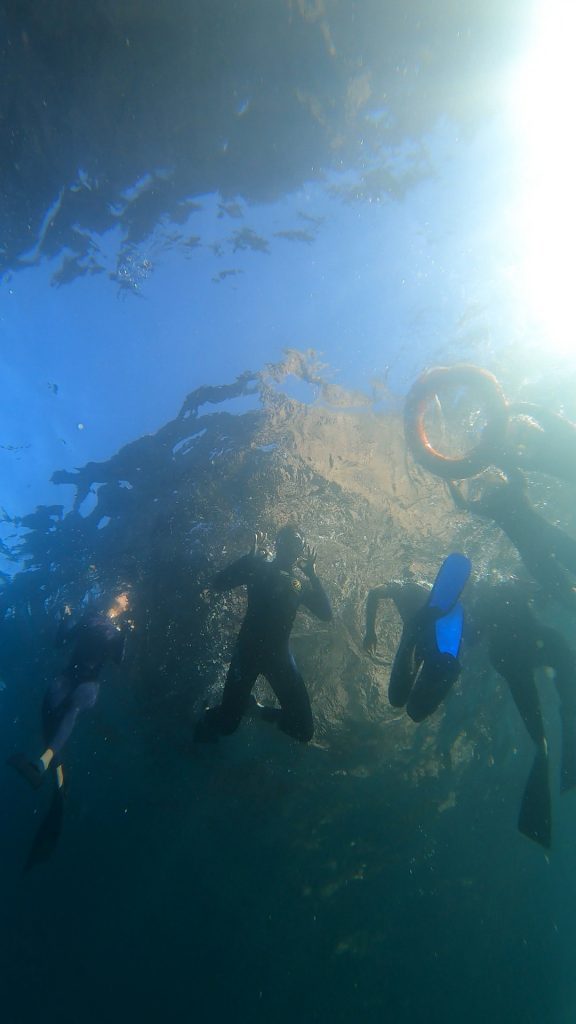
Wet season snorkeling is warmer, calmer, and clearer but with less marine life density. Water at 73-82°F (23-28°C) requires no wetsuit and offers 15-30 meter visibility. Dry season snorkeling is colder, choppier at surface, and teeming with marine activity fueled by the Humboldt Current. Water at 64-72°F (18-22°C) requires a 3-5mm wetsuit but delivers whale sharks, hammerhead schools, sea lion pups, and active penguins that the warm season cannot match. Serious divers favor the dry season; casual snorkelers and families favor the wet.
The visibility comparison is the one that surprises most travelers because it runs against intuition. The dry season is colder and has more plankton in the water, which reduces visibility compared to the warm season’s cleaner, plankton-poor water. But “reduced visibility” in the dry season still means 10-20 meters, which is extraordinary by any global standard. The warm season’s 15-30 meter visibility is exceptional, but the additional meters matter less than most travelers expect when you’re floating over a school of hammerhead sharks or watching a penguin hunt beneath you. Marine life density is a bigger determinant of snorkeling quality than raw visibility.
For recreational snorkelers who’ve never done cold-water snorkeling, the dry season water at 64-68°F (18-20°C) in July and August is a specific challenge. With a well-fitting 3-5mm wetsuit, it’s comfortable and the experience is extraordinary. Without one, it ends early. Most quality cruise operators provide wetsuits at no extra cost. Confirm this before booking for a dry-season cruise, and verify the fit range available on your specific vessel. A wetsuit that fits poorly insulates poorly.
Scuba divers almost universally prefer the dry season for its big-animal encounters. The whale sharks at Darwin and Wolf Islands from June through November, the massive hammerhead schools, the dense marine productivity – these belong specifically to the cold-water dry season and don’t appear in the warm season at comparable intensity. For snorkelers, the choice is more genuinely personal: do you want warm, clear water with good marine life, or cold, choppier water with extraordinary marine life? Both are defensible.
The snorkeling and diving question alone is worth a conversation before you book, because the answer changes depending on your experience level, what species you specifically want to encounter, and how you feel about cold water. We’ve placed divers and snorkelers in every season and know which months deliver what. Reach out here and tell us what you’re hoping to see underwater – we’ll map it to the right season.
How Does Each Season Affect Wildlife on Land?
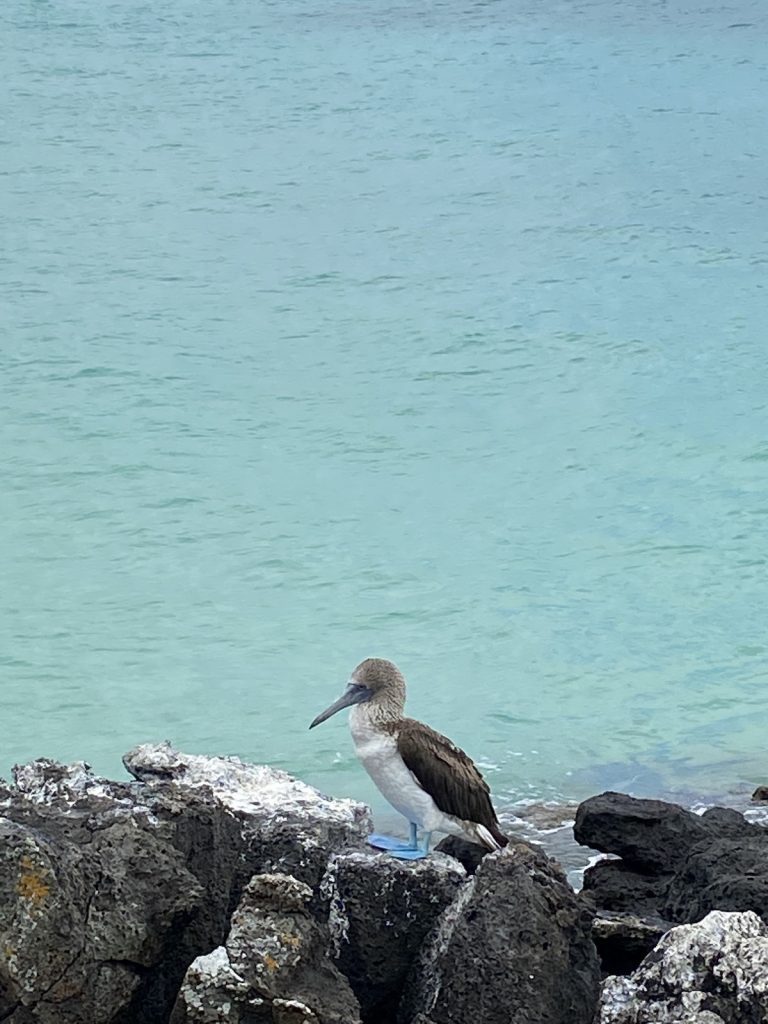
The wet season drives terrestrial nesting and hatching cycles. Marine iguanas, green sea turtles, giant tortoises, and flamingos nest and lay eggs during December-May. The islands are lush and green, providing more food for land animals, and the waved albatross returns to Española in April for its courtship season. The dry season drives marine life density and seabird nesting, fueled by the Humboldt Current. Blue-footed boobies peak in July-August, sea lion pups arrive in August, humpback whales appear June-September, and Galapagos penguins are most active in cold water.
The seasonal split on land wildlife is one of the cleaner comparisons in this article. Warm season land is alive with nesting, hatching, and mating among reptiles and birds that depend on the vegetation and warmth the Panama Current brings. A February shore excursion on Santa Cruz in the wet season might include marine iguanas in their mating coloration, giant tortoises moving between highland and lowland zones, and flamingos nesting at Punta Cormorant. These are warm-season behaviors that simply don’t appear in July.
The dry season’s wildlife argument is driven by the ocean but reaches onto the shore. Sea lion pups are born in late August and spend their first weeks on the beaches before entering the water. Waved albatross courtship in April happens at the cusp of seasons but runs through dry season nesting into November’s fledging. Blue-footed booby courtship builds from June and peaks in July-August. The seabird nesting calendar runs primarily through the dry season, and the diversity of bird behavior visible on shore in July far exceeds what’s available in February.
One pattern that experienced naturalist guides consistently flag: the dry season makes wildlife easier to find on shore. Lowland vegetation dries out and thins. Birds that were hidden in dense wet-season foliage are suddenly visible against sparse, arid scrub. Darwin’s finches foraging in sparse dry-season vegetation are far easier to observe and photograph than the same birds in February’s thick green cover. This is a dry-season advantage that rarely makes the official highlight lists but shows up consistently in traveler feedback.
Which Season Has Better Conditions for the Cruise Itself?
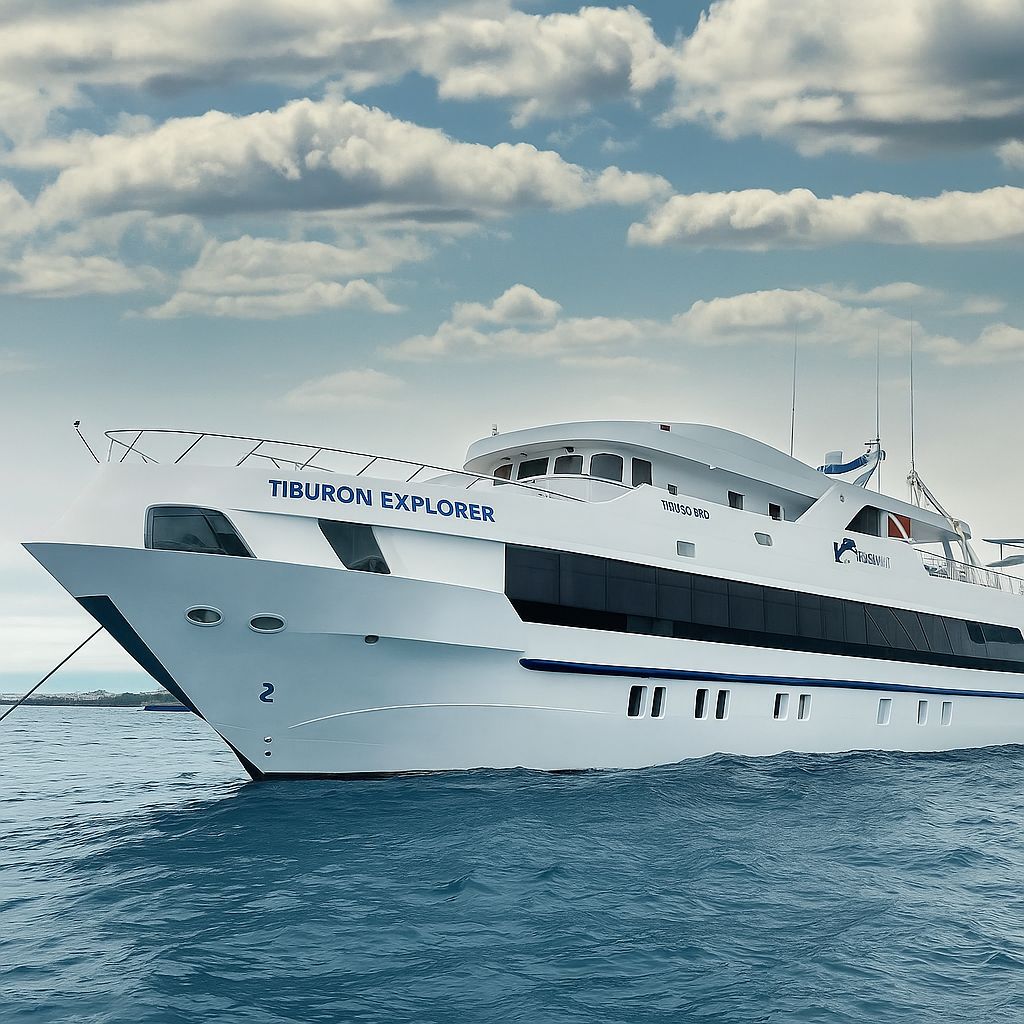
The wet season delivers a measurably more comfortable cruise experience for most people: calm seas on crossings, warm air on deck, no wetsuit needed for snorkeling, no garúa mist on morning excursions. The dry season trades that comfort for wildlife intensity. Inter-island crossings in July-September can be rough, requiring seasickness preparation on longer routes. The dry season cruise is more physically demanding and more rewarding in specific wildlife terms. The wet season cruise is more relaxing and still delivers an outstanding wildlife experience.
The seasickness question is where the season choice becomes most practically consequential for many travelers. Roughly a third of dry season travelers experience significant motion sickness on at least one crossing, based on patterns in our traveler community. The proportion drops substantially in the wet season, where calm Panama Current seas make even the Genovesa crossing, one of the longer open-water routes, a comfortable morning voyage. Families with children, older travelers, and anyone with a history of motion sickness should weight this factor heavily. The wet season doesn’t eliminate rough crossings entirely, but it reduces the probability to a fraction of the dry season risk.
The on-deck experience changes character between seasons in ways that are genuinely enjoyable in different directions. A wet season morning on deck is warm, clear, and tropical. The air smells like the sea and the green hills. A dry season morning is cool, sometimes misty, with seabirds hunting in the churned-up cold water behind the wake. Both have their mood. We’ve taken travelers who described the dry-season dawn as one of the most atmospheric experiences of their lives, and others who specifically came back in wet season because they wanted that warm tropical morning feeling again. This is preference, not quality.
What Do First-Time Visitors Usually Choose, and Why?
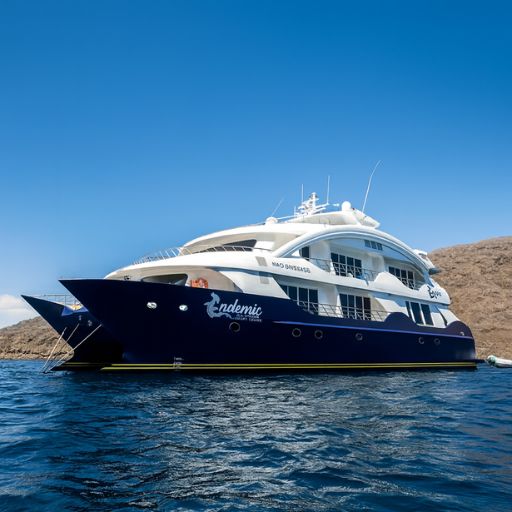
Most first-time visitors book the dry season (June-August) without realizing they’ve made a seasonal choice – they’ve made a school holiday choice. July and August dominate Galapagos bookings because they align with northern hemisphere summer. First-timers who do research and choose deliberately often pick the wet season for the warm water, calm seas, and family-friendliness, or April-May for the transition season’s combination of wet-season water with albatross courtship and lower crowds. Repeat visitors more often choose October or November for value and lower pressure.
The data on first-time visitor satisfaction is interesting. First-timers in July and August consistently rate their trips as outstanding, which reflects the genuine quality of the dry-season experience. But when asked whether they would go in a different month if they could do it again, a notable majority of those travelers say yes – particularly if they’re asked after learning what they gave up in terms of snorkeling comfort and sea conditions. The wildlife exceeded their expectations in July, but the rough crossings and cold water were surprises they hadn’t prepared for.
First-timers who go in the wet season, by contrast, almost never report being disappointed by a perceived lack of wildlife. The consistent pattern in their feedback is surprise at how much the Galapagos delivers even outside the peak marine productivity window. They came expecting a reduced experience and found the full one. The wet season underperforms its reputation for wildlife among people who haven’t gone, and overperforms among people who have.
First-time visitor or returning traveler, the season question is genuinely one of the most important decisions in planning a Galapagos cruise, and the answer depends on factors specific to your group. We’ve been through this conversation more times than we can count. Send us a quick message with your travel window and your group composition, and we’ll give you a straight answer on which season fits.
Is One Season Cheaper Than the Other?
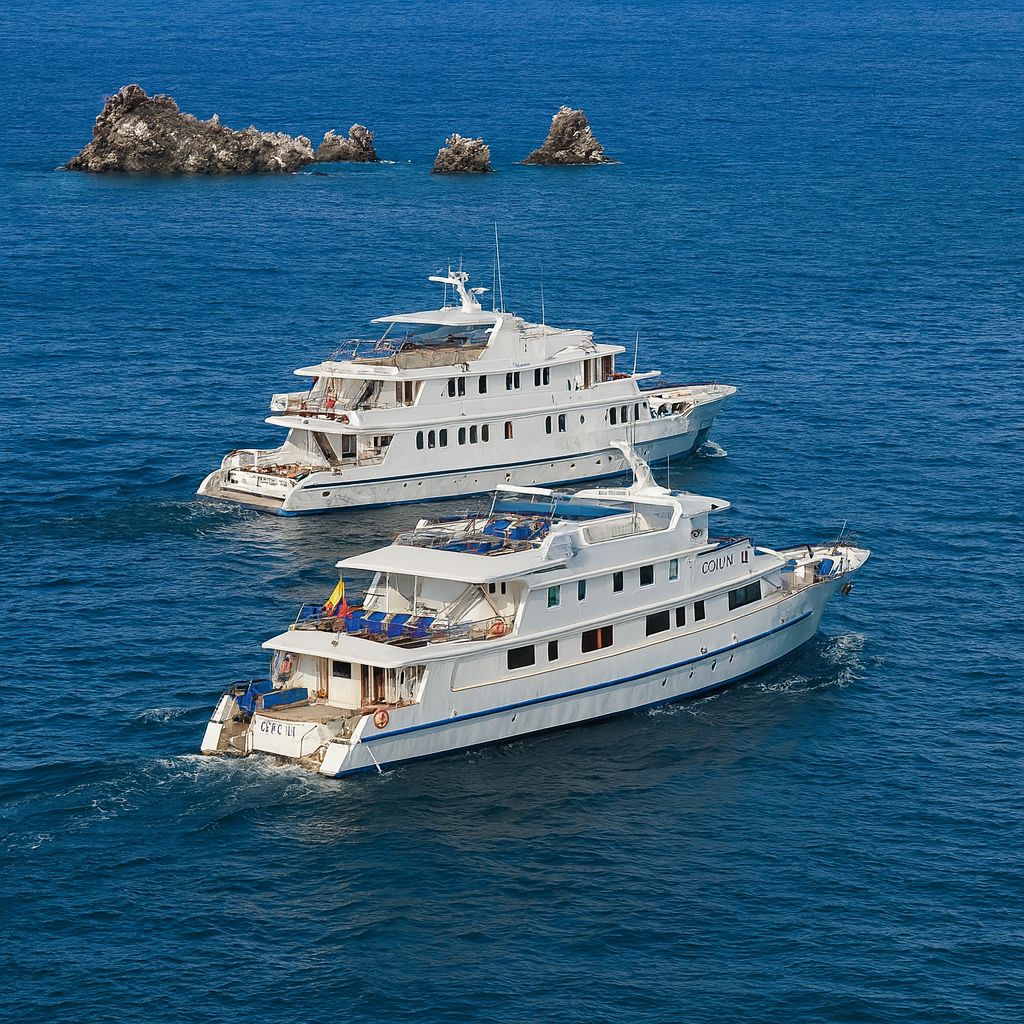
Neither season is uniformly cheaper than the other. Price is driven by demand windows within each season, not the season itself. The expensive windows (July, August, Christmas-New Year, Easter) span both seasons. The cheap windows (February, May, October, November) also span both seasons. The wet season contains February and May, two of the year’s cheapest months. The dry season contains July and August, two of the most expensive. Season alone doesn’t predict price – the specific month and whether a holiday window falls within it does.
This is the piece of the wet-vs-dry comparison that most articles get wrong. They frame it as wet season cheaper, dry season peak, or vice versa. The actual pricing structure doesn’t map to seasons. It maps to demand drivers: school holidays (July, August, Christmas, Easter) and genuine low periods (October, February, May). These demand drivers happen to sit in different seasons, but the causal factor is the holiday calendar, not the temperature of the water.
The practical implication: if budget is a meaningful constraint, the right question isn’t which season is cheaper but which months within each season have the lowest demand. February and May are the wet season’s low windows. October and early November are the dry season’s low windows. All four months deliver excellent Galapagos experiences at meaningfully below peak pricing. All four are genuinely underbooked relative to the experience they deliver.
Comparing specific month pricing within each season is something we do regularly for travelers who are flexible on timing and want to maximize value. If you give us a rough travel window and your preferred season, we can pull together a comparison of what’s available and what it costs across your options. Get in touch here for a free, no-obligation quote.
What Travelers Tell Us: Wet Season vs Dry Season Satisfaction
From thousands of traveler conversations through mytrip2ecuador.com and the My Trip to Somewhere YouTube channel, clear patterns emerge when travelers are asked to compare their season experience against expectations:
| Category | Wet Season Travelers | Dry Season Travelers |
|---|---|---|
| Snorkeling rated excellent | ~88% | ~79% |
| Seasickness on at least one crossing | ~9% | ~34% |
| Wildlife exceeded expectations | ~82% | ~91% |
| Hiking rated comfortable | ~61% (heat impact in Jan–Mar) | ~94% |
| Would choose same season again | ~79% | ~83% |
| Would recommend opposite season to others | ~38% said dry season worth trying | ~54% said wet season worth trying for snorkeling |
The most revealing number in that table is the last row. More than half of dry-season travelers specifically recommend the wet season to others for snorkeling comfort, despite having chosen and enjoyed the dry season themselves. It reflects the one thing we hear repeatedly from experienced Galapagos travelers: both seasons are genuinely worth doing. People who’ve only been once want to come back in the opposite season to compare.
What Catches Travelers Off Guard in Each Season
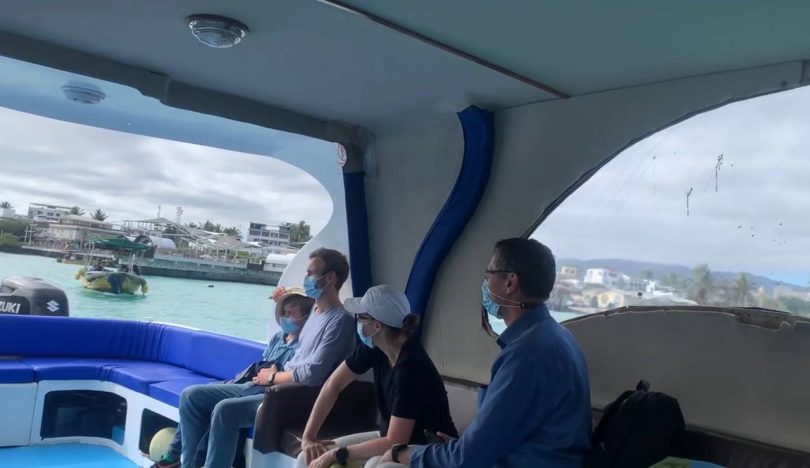
Both seasons produce specific surprises for travelers who didn’t read carefully:
In the wet season, the heat catches people unprepared. February and March midday shore excursions across black lava at 87°F (31°C) are physically demanding in a way that travel articles describing “warm, tropical conditions” don’t quite convey. Travelers who are heat-sensitive and book February because of the warm water and calm seas sometimes find the land portions of excursions harder than expected. Front-loading excursions to the early morning, when guides on good vessels will automatically schedule them, addresses this almost entirely. Ask explicitly whether your vessel starts shore excursions before 8am. The good ones do.
In the dry season, two things catch travelers consistently: cold water without a wetsuit, and seasickness without preventive medication. Both are entirely solvable with preparation and both are entirely predictable from anything written about the dry season. Yet the fraction of dry-season travelers who arrive without a plan for either has stayed stubbornly consistent across years of traveler feedback. Take motion sickness medication preventively before every open-water crossing, not reactively once you’re already ill. Confirm your vessel provides wetsuits, and verify the size range available matches your group before you board.
In both seasons: the UV. The equatorial sun at sea level reflects off the water and burns through cloud cover. Every experienced Galapagos traveler carries reef-safe SPF 50+ and reapplies it constantly. Every year, travelers in both seasons get badly burned because they forgot, underestimated, or assumed that a cloudy dry-season morning meant low UV. It doesn’t. This is the most preventable common misery in the Galapagos and it has nothing to do with season.
Wet Season vs Dry Season: Which Should You Book?
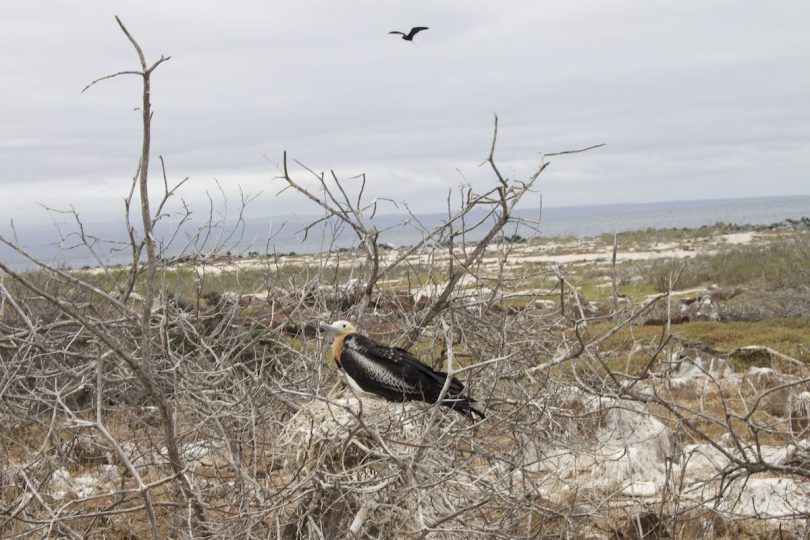
Book the wet season if: you or anyone in your group is sensitive to seasickness, you want warm water without a wetsuit, snorkeling comfort and visibility are priorities, you’re traveling with young children, you want lush green landscapes, or your travel window is December-May. Book the dry season if: wildlife intensity and marine life density are your top priorities, you want sea lion pups and whale watching, the waved albatross courtship or fledging is a target, you prefer cooler air for hiking, or your travel window is June-November.
If that decision tree still leaves you undecided, the transition months of May and November are the honest answer. May gives you warm-season water that’s still comfortable without a wetsuit, low crowds, reasonable pricing, and wildlife that bridges both seasons. November gives you calm, warming seas after the dry season’s roughest period, low prices, low crowds, and the final albatross fledging window before the December holiday surge. Both months draw travelers who’ve done their research and decided they don’t want to choose between the seasons.
The travelers who are happiest with their Galapagos timing are almost always the ones who picked a month for a specific reason rather than defaulting to “peak season must be best” or “low season must be cheapest.” The Galapagos rewards intentional planning because every month has something specific to offer that no other month can match. Know what you want. Match it to the calendar. Then book early enough to get the vessel that makes it happen.
Frequently Asked Questions
When is the wet season and dry season in the Galapagos?
The wet season runs December through May, driven by the warm Panama Current. The dry season runs June through November, driven by the cold Humboldt Current. The names are somewhat misleading – the wet season has brief afternoon showers rather than constant rain, and the dry season has overcast garúa mist in highland areas rather than constant sunshine. The key difference is water temperature, sea conditions, and marine life density.
Is snorkeling better in the wet season or dry season?
The wet season offers warmer water (73-82°F), better visibility (15-30m), and no wetsuit needed – better for comfort. The dry season offers colder water (64-72°F) requiring a wetsuit but delivers significantly higher marine life density including whale sharks, hammerhead schools, sea lion pups, and active penguins. Casual snorkelers and families prefer wet season. Serious divers and wildlife-focused snorkelers often prefer dry season.
Is one Galapagos season better for wildlife than the other?
They’re different, not better or worse. The wet season drives terrestrial nesting and hatching – marine iguanas, sea turtles, tortoises, flamingos. The dry season drives marine life density – whale watching, sea lion pups, active penguins, seabird nesting. The waved albatross returns to Española in April (late wet season) and stays through November. Year-round resident species like giant tortoises, blue-footed boobies, and sea lions are visible in both seasons.
Which season is better for families with children?
The wet season (December-May) is generally better for families. Calm seas reduce seasickness risk dramatically, warm water means children can snorkel comfortably without wetsuits, and the wildlife experience remains excellent. The Christmas-New Year window within the wet season is the most family-popular period of the year. If traveling with children who have any motion sensitivity, avoid July-September when seas are roughest.
Do I need a wetsuit in both seasons?
No. The wet season water at 73-82°F (23-28°C) is comfortable for snorkeling without a wetsuit. The dry season water at 64-72°F (18-22°C) requires a 3mm wetsuit minimum, and a 5mm is better at western sites near Fernandina where cold upwellings push temperatures lower. Most quality cruise operators provide wetsuits at no extra cost – confirm this before booking for a dry-season cruise.
What are the entry fees for the Galapagos?
All visitors pay the Galapagos National Park entrance fee of $200 USD per adult and $100 for children under 12, paid in cash on arrival. A Transit Control Card (TCT) costs $20 per person, completed online through the official government portal before your flight. Both are required in both seasons for all visitors. (Verified May 2026)
Still Not Sure Which Season Is Right for You?
The honest answer is that both seasons deliver an extraordinary Galapagos experience, and the right choice depends on specifics that no article can resolve for you: your travel dates, your group, your tolerance for cold water or rough crossings, and which wildlife moments matter most. That’s exactly the kind of conversation we have with travelers every day.
Free cruise planning. No commitment. No pressure. Rated 4.9 stars on Google and TripAdvisor.
Tell us your priorities and we’ll match you to the right season and vessel.
Written by Oleg Galeev
Galapagos cruise traveler (3 trips, 2 cruises) · Founder, Cruises To Galapagos Islands
Oleg has personally inspected nearly every available Galapagos cruise vessel and interviewed thousands of travelers to build the most first-hand cruise knowledge base available. He also runs the Ecuador travel blog mytrip2ecuador.com and the YouTube channel My Trip to Somewhere.
Cruises To Galapagos Islands is rated 4.9 stars on Google and TripAdvisor.
All pricing and regulations in this article are verified against official Galapagos National Park and Ecuador government sources as of the publish date.