Best Galapagos Cruise for Eco-Conscious Travelers
Part of our guide to the types of Galapagos cruises. Ready to pick a ship? See the best Galapagos cruises by price, size and class.
Quick Facts: Eco-Conscious Galapagos Cruise Planning
| Detail | What You Need to Know |
|---|---|
| Park entry fee (adult) | $200 USD cash on arrival; funds conservation directly – Verified July 30, 2026 |
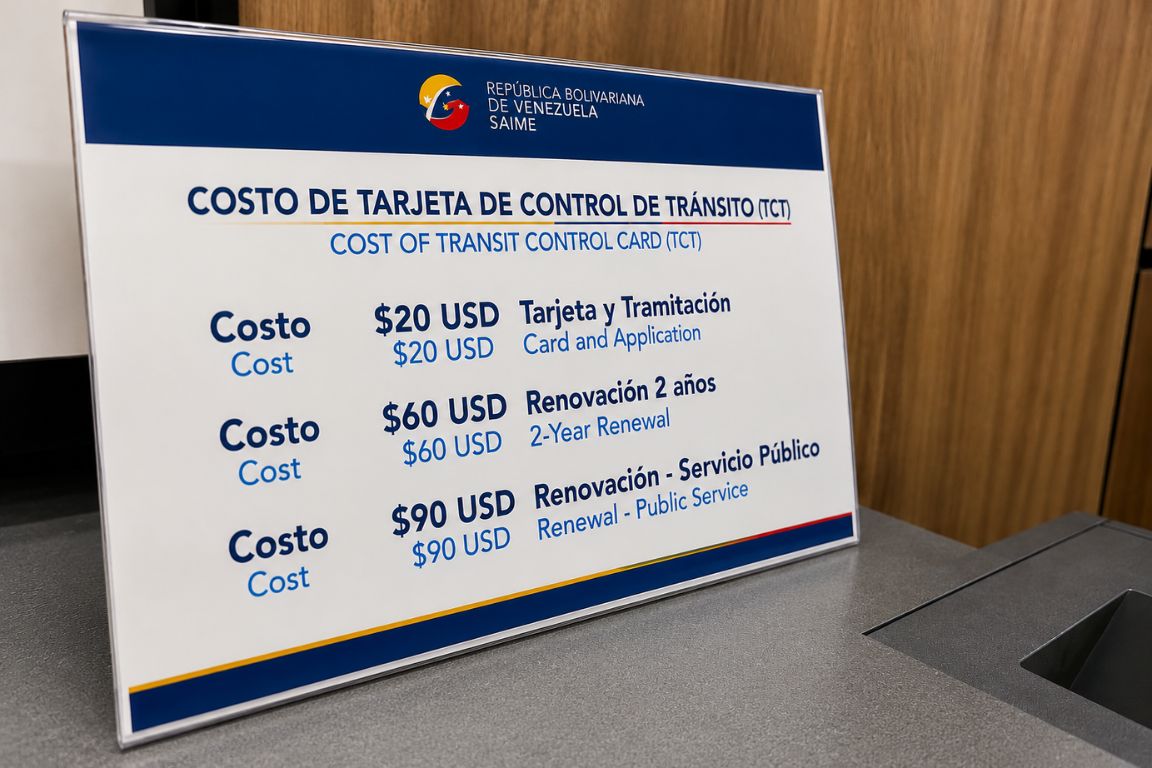
| Transit Control Card (TCT) | $20 per person; supports immigration control and biosecurity |
| Protected area coverage | 97% of land and surrounding ocean protected as national park or marine reserve |
| Wildlife distance rule | 2 meters minimum from all wildlife at all times; enforced by guides |
| Maximum group size ashore | 100 passengers total; 16 per certified naturalist guide (national park rule) |
| Sunscreen rule | Reef-safe mineral sunscreen only; oxybenzone/octinoxate banned at all water sites |
| Prohibited in the national park | Drones, flash photography, feeding wildlife, off-trail hiking, single-use plastics (many operators) |
| Strongest eco certifications | B Corporation (Golden Galapagos, first cruise operator to achieve, September 2025), Relais & Châteaux (Ecoventura), TourCert (Galapatours) |
Is the Galapagos a Responsible Travel Destination?
More structurally than almost anywhere else on earth. Ninety-seven percent of the Galapagos land area and the surrounding ocean are protected as a national park or marine reserve. Every cruise vessel must hold a Galapagos National Park Directorate license. Every landing must be accompanied by a certified naturalist guide. Visitor numbers to each site are capped. Visitor behavior is governed by rules that are actually enforced. No other major tourism destination in the world operates inside a regulatory framework this comprehensive.
The entry fee you pay at Baltra airport, $200 per adult in 2026, goes directly to conservation. It is distributed across the national park service, local municipalities, the Galapagos Marine Reserve, and biosecurity and quarantine systems. The $20 Transit Control Card funds immigration infrastructure that exists specifically to prevent invasive species introduction. These are not token eco-fees. They are the operational budget of one of the most effective conservation systems on the planet.
The honest point to make here is that simply visiting the Galapagos on any licensed cruise is, by definition, a more regulated and conservation-conscious act than visiting most other major wildlife destinations. The baseline is high. What separates the genuinely eco-conscious operators from the average is what they do beyond the regulatory minimum: fuel choices, waste management, local employment, active conservation partnerships, and transparent sustainability reporting.
If you want help identifying which operators in the current fleet go beyond the baseline regulatory requirements in ways that are verifiable rather than just marketed, we’ve done that research. We’re rated 4.9 stars on Google and TripAdvisor. Send us a message here and we’ll point you toward the right vessels for your values.
What Makes a Galapagos Cruise Operator Truly Eco-Friendly?
Five criteria separate genuinely eco-conscious operators from those using sustainability as a marketing label: verifiable third-party certification, a documented and published waste management policy, local employment practices that prioritize island-born crew and guides, active financial contributions to conservation organizations, and transparency about fuel usage and emissions. Any operator can call themselves eco-friendly. Very few publish the data that would allow you to verify the claim.
Third-party certification is the most useful single filter. The Global Sustainable Tourism Council standards, B Corporation certification, Rainforest Alliance, and TourCert are internationally recognized and require documented evidence, not just self-reporting. Golden Galapagos became the first Galapagos cruise operator to achieve B Corporation certification in September 2025, a meaningful distinction because B Corp assessment covers governance, workers, community, and environment holistically rather than just one dimension. Ecoventura holds Relais and Chateaux membership, which includes environmental standards among its criteria. These certifications don’t guarantee perfection, but they do mean a third party has assessed the claims.
Local hiring is an environmental and social issue simultaneously. Operators who employ crews and guides born in the Galapagos or from mainland Ecuador contribute to a local economy that has strong incentives to protect the islands. Golden Galapagos reports a 95 percent Galapagos-born crew. Operators who hire internationally and ship crews in from major cities create both a carbon footprint and an economic leakage that undercuts the community conservation argument.
Waste management is where many operators’ eco claims fall apart under scrutiny. Ask specifically: does the vessel discharge any waste in park waters? What is the single-use plastic policy on board? What happens to food waste, grey water, and bilge water? These are concrete questions with concrete answers. Vague responses about “minimizing our footprint” without specifics are a reliable indicator that the sustainability narrative is primarily marketing.
Which Galapagos Cruise Vessels Have the Strongest Sustainability Credentials?
For 2026, the operators with the most documented and verifiable sustainability credentials are Golden Galapagos (B Corp certified, first carbon-neutral cruise operator in the islands, 95% local crew), Ecoventura (Relais and Chateaux, active conservation partnerships, waste minimization program), Celebrity Cruises Galapagos Fund (10-year reforestation program with the national park, 85,000+ endemic plants restored), and National Geographic Lindblad Expeditions (conservation levy on every sailing, onboard naturalist programs, direct research funding). Each of these has published evidence behind their claims.
| Operator / Vessel | Key Credential | Verified Action |
|---|---|---|
| Golden Galapagos | B Corporation (Sept 2025); first carbon-neutral cruise operator in Galapagos | 95% local crew; published carbon offset data; conservation partnerships |
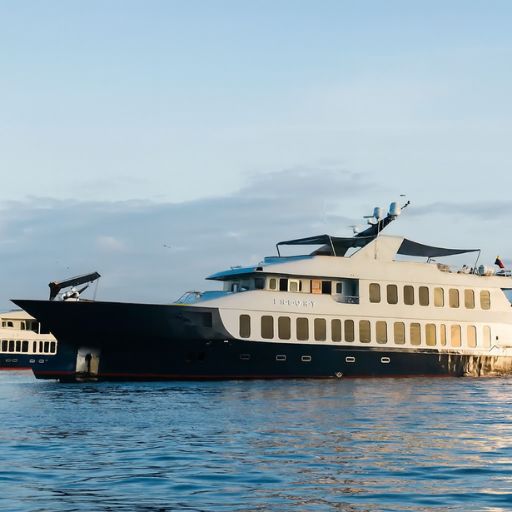
| Ecoventura (Origin/Theory/Evolve) | Relais & Châteaux membership; active sustainability plan | Waste minimization, local sourcing, marine and terrestrial conservation support |
| Celebrity Flora (Celebrity Cruises) | Galapagos Conservation Fund; exclusive national park reforestation partner | 85,000+ endemic plants restored; “Rewilding Galapagos” project entering 11th year in 2026 |
| National Geographic Endeavour II / Islander II (Lindblad) | Conservation surcharge on every sailing; National Geographic Society partnership | Direct research funding; onboard undersea specialist; youth educator programs |
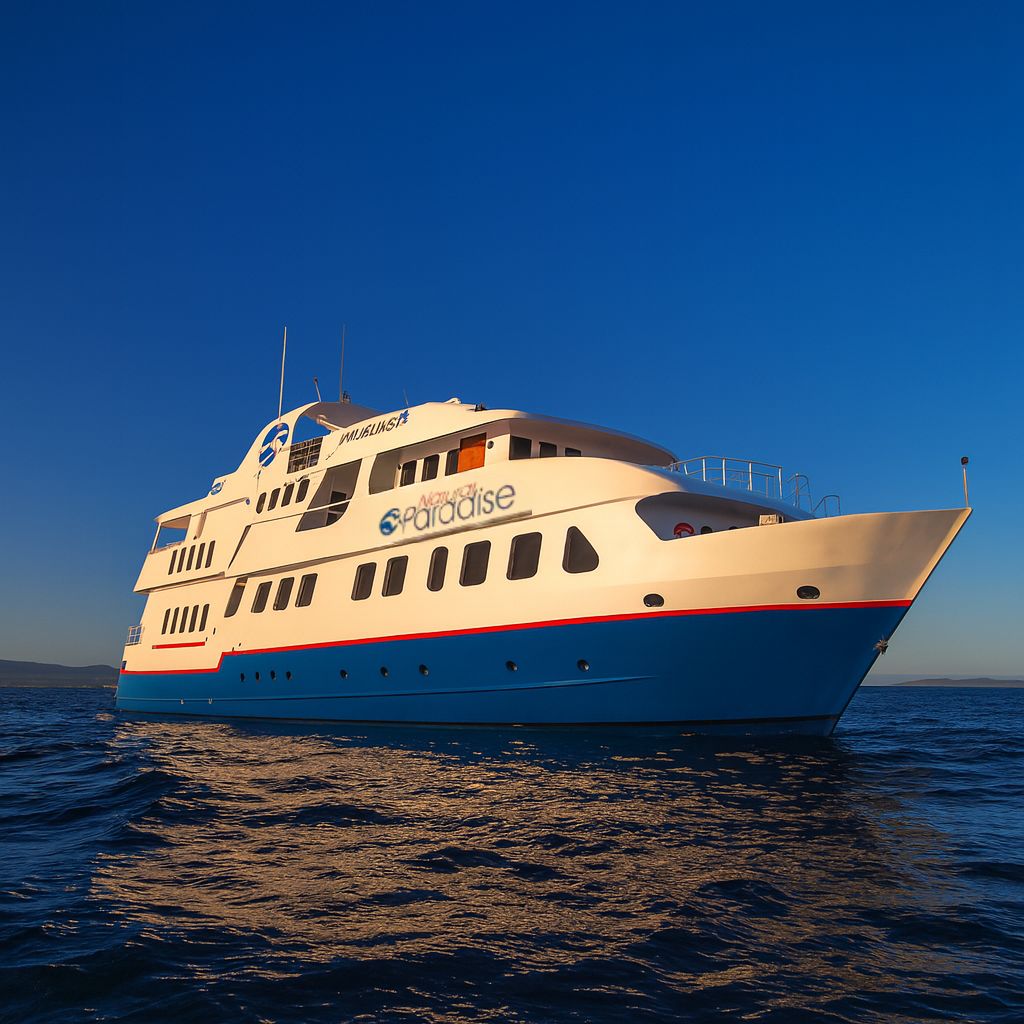
| Royal Galapagos (Natural Paradise) | Galapagos Conservation Trust partnership; conservation departure sailings | July 2026 conservation departure with Steppes Travel and GCT; auction proceeds to conservation |
The sustainability credentials listed above are a starting point, not a complete picture. We track which operators actually deliver on their environmental commitments rather than just publishing them. Reach out here and we’ll give you a current and specific recommendation based on your eco-travel priorities.
How Do Galapagos National Park Regulations Protect the Islands?
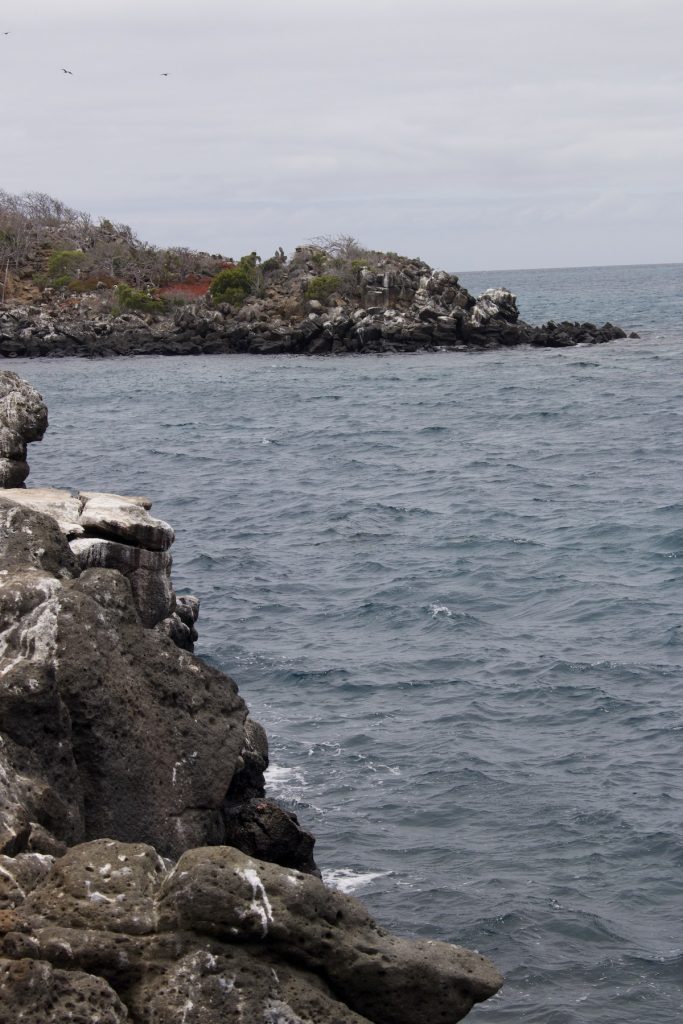
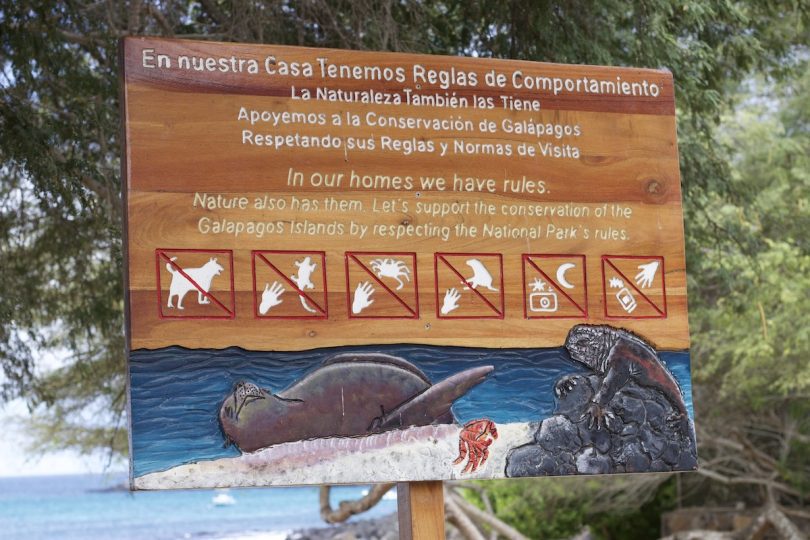
The Galapagos National Park Directorate operates one of the most comprehensive visitor management systems of any protected area in the world. Key regulations include: mandatory certified guides on every excursion, a 2-meter minimum distance from all wildlife, marked trails at all visitor sites, no flash photography, complete bans on feeding wildlife, no introduction of food or organic material from outside, no single-use plastics at many sites, and drone use banned throughout the park and marine reserve. These are not aspirational guidelines. They are enforced conditions of the operating license every vessel holds.
The biosecurity inspection before boarding your Galapagos flight is one of the least-discussed but most ecologically important parts of the system. Every bag is physically inspected for prohibited organic material, seeds, fruit, soil, and live animals at the Quito or Guayaquil airport before the domestic departure. This system exists because invasive species are the single greatest ecological threat the Galapagos faces. A single introduced rat species or plant pathogen can cascade through an ecosystem that evolved without mammalian predators or mainland plant competition. The inspection is not a formality.
The park also controls which vessels can visit which sites and on which days through a permitted itinerary system. No two boats can visit the same site at the same time. Maximum simultaneous visitors at any landing site is capped. This social carrying capacity management means even during peak season, the wildlife you encounter on Española or North Seymour is not surrounded by crowds. The regulation actively produces the quality of experience that makes the Galapagos extraordinary.
Trying to find a Galapagos cruise that gives photographers enough time at each site to actually get the shots rather than rushing through the landings? Here’s the best Galapagos cruise for photographers broken down so you find the right fit.
What Can Eco-Conscious Travelers Do to Minimize Their Impact?
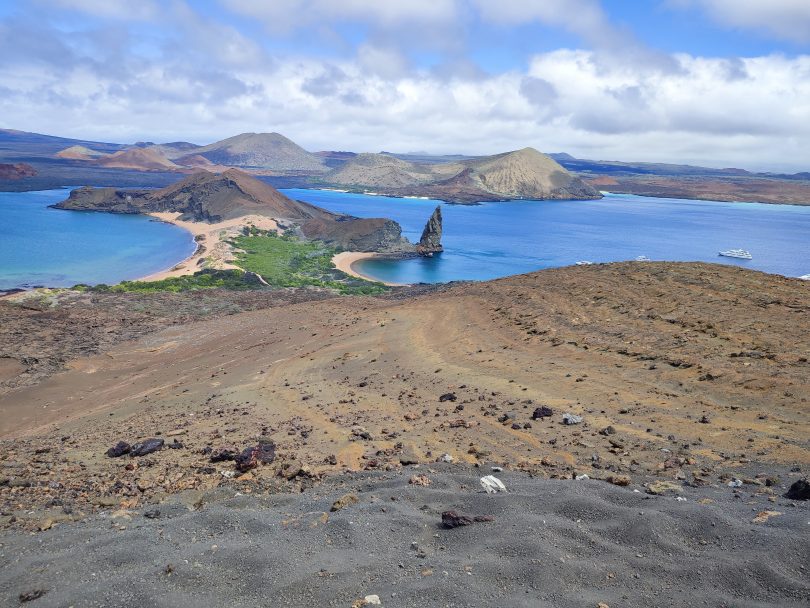
Beyond the mandatory rules, five actions meaningfully reduce an eco-conscious traveler’s footprint: bringing reef-safe mineral sunscreen from home rather than buying whatever is available on the islands, staying strictly on marked trails without exceptions, observing the 2-meter wildlife distance rule even when animals approach you, choosing a vessel with documented waste management and local hiring practices, and offsetting your international flights independently through a verifiable carbon program. The first four cost nothing and directly protect the ecosystem.
The reef-safe sunscreen issue is worth addressing practically. Oxybenzone and octinoxate, the active filters in most standard sunscreens, are banned at all water activity sites by the Galapagos National Park. Mineral sunscreens using zinc oxide or titanium dioxide are compliant. Bring from home: supply on Santa Cruz is limited and expensive. Some operators now provide complimentary reef-safe sunscreen on board; ask specifically when booking.
The wildlife distance rule protects animals in ways that are not always obvious. Approaching a sea lion or iguana closer than 2 meters can alter their behavior, stress breeding animals, and habituate wildlife to human presence in ways that make them vulnerable to harm over time. The rule exists because the Galapagos wildlife’s fearlessness of humans is both its most extraordinary quality and its most fragile one. When a naturalist guide reminds you to step back, they’re protecting the experience for the next visitor as much as the animal in front of you.
Choosing your vessel based on sustainability criteria rather than price or amenity alone is the single highest-impact decision an eco-conscious traveler can make. A vessel that employs local guides, avoids discharging waste in park waters, actively funds conservation, and runs genuine education programs rather than just compliance briefings produces a meaningfully different set of outcomes for the islands than one that meets only the regulatory minimum.
We’ve got a full breakdown on the best Galapagos cruise for wildlife enthusiasts if you want to know exactly which vessels, routes, and naturalist guides give you the deepest wildlife experience in the archipelago.
What Eco-Conscious Travelers Tell Us After Their Galapagos Cruise
From the thousands of travelers Oleg has interviewed through mytrip2ecuador.com and the YouTube channel, eco-conscious travelers are among the most specific in their pre-trip research and post-trip reflections. The data below reflects aggregate feedback from travelers who cited sustainability as a primary booking criterion.
| Finding | Result | Context |
|---|---|---|
| Eco-conscious travelers who said national park regulations exceeded their expectations | ~77% | Most were pleasantly surprised by the rigor of enforcement compared to other wildlife destinations |
| Travelers who found greenwashing language on their operator’s website before booking | ~48% | Vague language without verifiable data the most common issue |
| Eco-conscious travelers who asked their operator sustainability questions before booking | ~34% | Those who did rated their operator more accurately than those who didn’t |
| Travelers who forgot reef-safe sunscreen and had to buy on the islands | ~41% | Paid 2 to 3x home price; limited brand selection available |
| Eco-conscious travelers who said the Galapagos was the most responsibly managed destination they’d visited | ~82% | Compared specifically to other major wildlife and nature destinations globally |
Which Itinerary Is Best for Eco-Conscious Travelers?
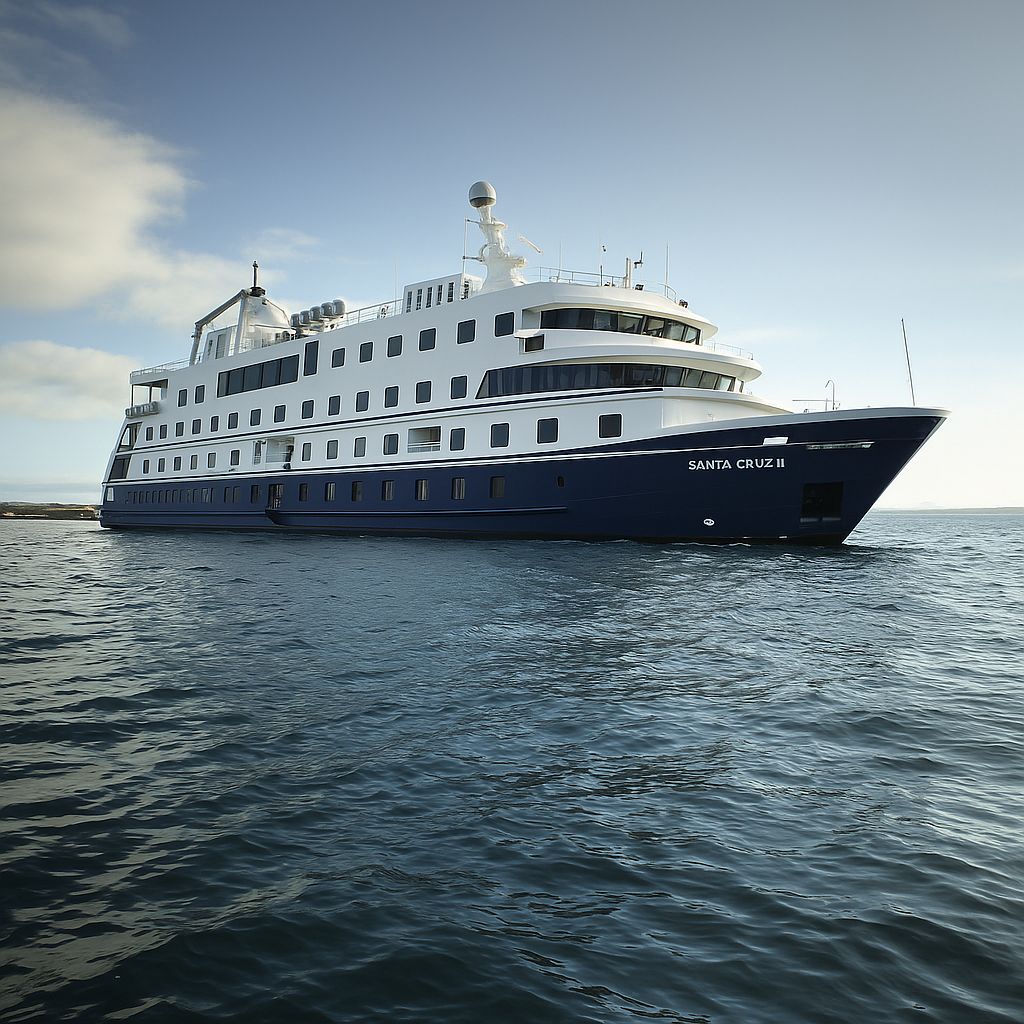
Eco-conscious travelers don’t need a special itinerary. Every licensed Galapagos cruise itinerary operates within the same national park framework, visits the same protected sites, and applies the same visitor rules. What matters more than route is vessel selection: a smaller vessel of 16 passengers produces less total waste, less fuel burn per visitor, and allows a more intimate and education-focused experience than a 100-passenger ship. An 8-day itinerary provides enough time for the naturalist education component of the experience to genuinely land rather than feeling rushed.
If choosing between eastern and western itineraries on environmental grounds specifically, the choice doesn’t materially differ. Both visit national park sites under identical regulatory conditions. The more relevant choice is vessel class and operator ethics, which determines how fuel is managed, what happens to waste, and whether the guides are genuine naturalists who extend the conservation mission beyond compliance.
What Are the Biggest Greenwashing Red Flags to Watch For?
Seven red flags that a Galapagos cruise operator is greenwashing rather than genuinely committed: vague language like “eco-friendly” or “sustainable” with no specific data to support it, no third-party certification from a recognized body, an “eco-fee” with no documented destination for the funds, promotion of a single green action while ignoring larger impacts, absence of any local hiring policy, no published waste management or fuel efficiency data, and an unwillingness to answer specific sustainability questions directly.
The single-action focus is one of the most common greenwashing patterns in the Galapagos specifically. An operator that promotes its biodegradable straws while running diesel engines at maximum efficiency without any offset program, or one that promotes its turtle conservation partnership while employing no local crew, is using one genuine positive to imply a systemic commitment that doesn’t exist. Ask what percentage of the crew is locally hired. Ask what the vessel’s fuel consumption per passenger per day is. Ask where waste is discharged. These questions produce either specific answers or evasive ones, and the distinction tells you everything.
Unverifiable certifications are another reliable red flag. Anyone can design a logo that says “Certified Eco Operator” and place it on a website. The question is who certified them and against what standards. B Corporation, Rainforest Alliance, TourCert, and the Global Sustainable Tourism Council all publish their standards and maintain public registries of certified businesses. If an operator shows a certification you can’t find in any public registry, treat it as self-awarded and proceed accordingly.
The absence of any sustainability information on a vessel’s website is also telling. Operators who have genuinely invested in environmental practices are motivated to document and publish them. Operators who have not tend to either stay silent on the topic or use the vaguest possible language to avoid the scrutiny that specificity would invite.
Frequently Asked Questions
Is visiting the Galapagos environmentally responsible given the travel involved?
This is a question worth taking seriously. The international flight to Ecuador is the largest single carbon contributor in a Galapagos trip. Once in the islands, the structured cruise format, mandatory guide system, and strict visitor caps produce far less per-person impact than comparable wildlife destinations. The conservation argument for visiting is also real: the $200 park fee, cruise operator fees, and local tourism economy collectively fund the infrastructure that keeps the islands protected. Independent carbon offsetting through a verifiable program is the most practical way to address the flight emissions specifically.
Does a smaller vessel produce less environmental impact than a large ship?
Per-visitor, yes. A 16-passenger vessel produces less total waste, lower acoustic impact at landing sites, and smaller fuel burn per person than a 100-passenger ship. It also puts smaller groups ashore simultaneously, which reduces substrate disturbance and stress on wildlife at each site. The tradeoff is that smaller vessels have fewer resources to invest in advanced waste treatment systems and fuel efficiency technology. The net impact depends more on operational practices than vessel size alone.
What is the most important thing an eco-conscious traveler can do in the Galapagos?
Follow the 2-meter wildlife distance rule consistently, including when animals approach you. This single behavior, maintained by every traveler on every landing, does more to protect the fearlessness and natural behavior of Galapagos wildlife than any other individual action. The animals’ lack of fear of humans is the foundation of the entire Galapagos experience. It persists because the national park has maintained it through consistent rule enforcement across decades. Every visitor who maintains the distance contributes to that continuity.
Choosing a Galapagos cruise that genuinely aligns with your environmental values means looking past the marketing language and asking specific questions about certifications, waste practices, local employment, and conservation contributions. We’ve done this research and we know which operators in the current fleet deliver on their sustainability commitments with evidence rather than just words. We’re rated 4.9 stars on Google and TripAdvisor. If you want a recommendation built around your eco-travel priorities rather than just vessel class and price, get in touch here and we’ll give you something specific and honest.
Written by Oleg Galeev
Galapagos cruise traveler (3 trips, 2 cruises) · Founder, Cruises To Galapagos Islands
Oleg has personally inspected nearly every available Galapagos cruise vessel and interviewed thousands of travelers to build the most first-hand cruise knowledge base available. He also runs the Ecuador travel blog mytrip2ecuador.com and the YouTube channel My Trip to Somewhere.
Cruises To Galapagos Islands is rated 4.9 stars on Google and TripAdvisor.
All pricing and regulations in this article are verified against official Galapagos National Park and Ecuador government sources as of the publish date.