Best Galapagos Cruise for Seniors
Part of our guide to the types of Galapagos cruises. Ready to pick a ship? See Galapagos cruises by price, size and class.
Quick Facts: Galapagos Cruises for Seniors
| Detail | What You Need to Know |
|---|---|
| Age range on typical cruise | 12 to 80+; average passenger age on many vessels is 50 to 65 |
| Park entry fee (adults 12+) | $200 USD cash on arrival – Verified July 30, 2026 |
| Transit Control Card (TCT) | $20 per person, purchased online before departure |
| Best season for calm seas | December through May (warm season); April to June also excellent |
| Recommended cruise length | 7 to 8 nights; 5 nights workable for lower stamina |
| Best itinerary for seniors | Eastern/central (calmer seas, more dock landings, sandier beaches) |
| Onboard doctors | Available on larger vessels (40+ passengers); small yachts typically carry no physician |
| Medical evacuation insurance | Non-negotiable for all senior travelers; serious cases require mainland evacuation |
| Nearest full hospital | Hospital Oskar Jandl, San Cristobal (24hr, 34 beds); basic hospital on Santa Cruz |
Are Galapagos Cruises Suitable for Seniors and Older Travelers?
Yes, and more consistently than most people assume before they research it. Galapagos cruises are taken by travelers well into their 70s and 80s every single week of the year. The wildlife encounters here require almost no physical effort: the animals come to you, trails are short and guided, and the structure of the day is built around observation, not endurance. The right vessel and the right itinerary matter enormously, but age itself is rarely the limiting factor.
There’s a version of this trip that works for a retired couple in excellent shape who want to hike every trail and snorkel twice a day. There’s also a version that works beautifully for someone with a replaced hip or limited balance who just wants to watch a blue-footed booby do its courtship dance from three feet away on a flat trail. Both of those people can have a genuinely extraordinary experience here. The Galapagos is unusual in that the thing that makes it special, close proximity to unafraid wildlife, doesn’t require athleticism to access.
We’ve worked with travelers in their late 70s who came back raving about it. We’ve also spoken with people in their early 60s who found certain sites more demanding than expected. Fitness level matters far more than age on a Galapagos cruise. Being honest with yourself about what you can comfortably do in equatorial heat, on uneven volcanic terrain, on a boat that moves at night, is the single most useful thing you can do before booking.
The Galapagos is also one of the few destinations where the cruise format is actually easier, not harder, than land-based travel. You unpack once. The ship moves between islands while you sleep. No inter-island ferry transfers, no coordinating taxis, no checking in and out of hotels. For seniors, that logistical simplicity is a genuine advantage over most other types of travel.
If you’re trying to work out whether your specific fitness level and health situation make a Galapagos cruise realistic, that’s exactly the kind of question we help answer every day. We’ve been doing this for years, we’re rated 4.9 stars on Google and TripAdvisor, and we don’t have a script. Send us a message here and tell us what you’re working with. We’ll give you an honest read.
A Galapagos cruise as a couple hits differently than any other travel format and the right ship makes it genuinely unforgettable. Here’s a full guide to the best Galapagos cruise for couples and honeymoons so you book the one worth remembering.
What Physical Level Do You Actually Need for a Galapagos Cruise?
The baseline for most Galapagos cruise itineraries is the ability to walk on uneven ground for one to two hours, manage stairs between boat decks, and step on and off a small inflatable zodiac with crew assistance. Snorkeling is optional on every vessel. Longer hikes and steeper trails are usually optional too. The non-negotiable physical requirement is reasonable balance and the ability to handle the zodiac transfers, because every island visit starts with one.
Those zodiac transfers deserve more explanation than most tour operators give them. Getting in and out of a panga (the small inflatable tender that ferries you from the ship to shore) involves stepping from a moving platform onto a rocking boat, or stepping off the panga into shallow water on a beach landing. Crew members are right there. On most vessels you’ll get what locals call the “Galapagos handshake”: the guide or crew member grabs your forearm firmly, you grab theirs, and they hold you through the transfer. It’s not glamorous but it works, and thousands of seniors navigate it every year without incident.
Dry landings, where the panga pulls up to a dock or rocky platform, require good balance and a steady step. Beach landings involve stepping into ankle to calf-deep water. Water shoes or sandals handle this easily. Neither type requires strength or agility beyond what a reasonably healthy older adult has on a good day.
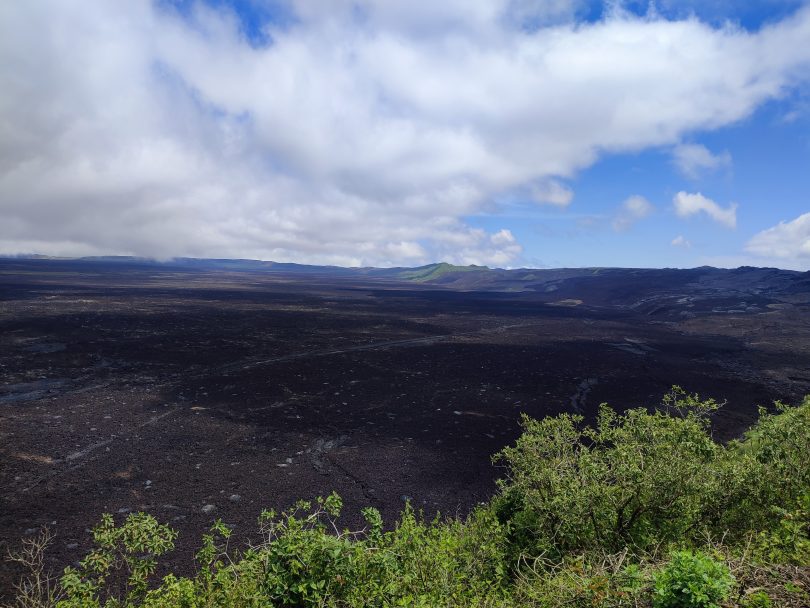
Where things get more variable is the trail difficulty at each visitor site. North Seymour has a flat, looping trail with remarkable wildlife density and almost no elevation. Bartolome has wooden stairs to the summit viewpoint, steep but manageable. Prince Philip’s Steps on Genovesa and the Sierra Negra Volcano hike on Isabela are genuinely challenging. The critical insight here: on every cruise, these excursions are optional. Staying aboard is always a choice, and nobody judges you for it. The guide will brief you the night before on what the next day’s landing involves, and you make your own call.
Trying to find a Galapagos cruise that balances land excursions with serious snorkeling time at the right sites? Here’s the best Galapagos cruise for snorkelers broken down so you find a ship and itinerary that treats the water as the main attraction.
| Activity Level | What It Involves | Example Sites |
|---|---|---|
| Easy | Flat sandy trail, dock landings, seated panga rides, short walks under 1km | South Plaza, Gardner Bay, Charles Darwin Research Station |
| Moderate | Uneven volcanic trail, 1 to 2hr walk, some incline, beach landings | North Seymour, Santa Fe, Bartolome (stairs optional), Española |
| Active | Steep trail, rocky scrambles, 3hr+ hike, strong currents in snorkel sites | Sierra Negra Volcano, Prince Philip’s Steps, Kicker Rock snorkel |
Which Cruise Class Is Best for Senior Travelers?
For most seniors, mid-range to luxury is the right call, and the reasoning has little to do with comfort preferences. Larger vessels in the mid-range and luxury tiers offer better stability at sea, wider deck rails, more accessible cabin layouts, larger bathrooms, and in many cases an onboard physician. These aren’t perks. For an older traveler, they’re practical safety considerations.
Small budget yachts carry 16 passengers in compact cabins with narrow corridors and limited crew. The wildlife experience on a small vessel can be exceptional, guides tend to be more attentive, and you get closer to shore. But for seniors with any mobility concerns, balance issues, or medical needs, a 16-passenger motorsailer on a budget itinerary is genuinely not the best environment. The beds are smaller. The movement is more pronounced. Help is less immediately available.
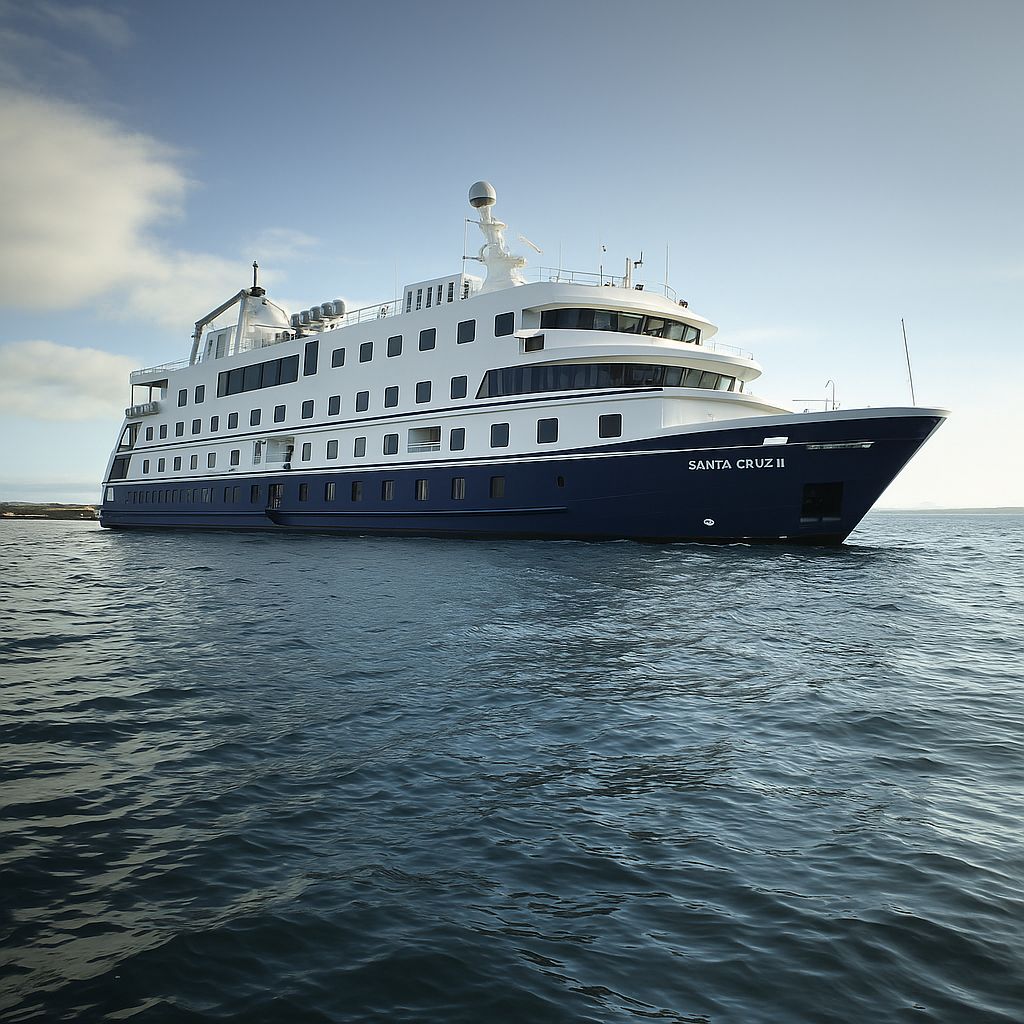
Medium and larger vessels in the 40 to 100 passenger range typically have wider corridors, more cabin configurations, and critically, more crew. Several specifically carry 24-hour medical officers, including the Santa Cruz II, Celebrity Flora, Silver Origin, and Galapagos Legend. If you have a pre-existing cardiac condition, manage a chronic illness, or simply want the peace of mind of having a physician on board, one of these vessels should be at the top of your shortlist.
The trade-off with larger vessels is that they visit the same national park sites in larger groups, 16 people per guide is the regulated maximum regardless of ship size, so excursion logistics involve a little more coordination. But the gap in day-to-day quality between mid-range and luxury is real for seniors in a way that it isn’t always for younger travelers. Better food, more attentive service, quieter cabins, and more accessible decks make a meaningful difference across seven nights.
Choosing the right vessel for a senior traveler involves more variables than most booking sites surface: whether there’s a physician on board, cabin location relative to stairs, how rough the crossings are on a given itinerary, and whether the crew is genuinely trained for passenger assistance. This is exactly what we help sort through. Fill out this short form and we’ll match you with vessels that fit your actual situation, not just your budget bracket.
Still trying to figure out if a budget Galapagos cruise is worth booking or just a disappointing version of the real thing? This guide on the best Galapagos cruise for budget travelers gives you a straight answer on what to expect at the lower price points.
Which Itinerary Works Best for Seniors: Easy, Moderate, or Active?
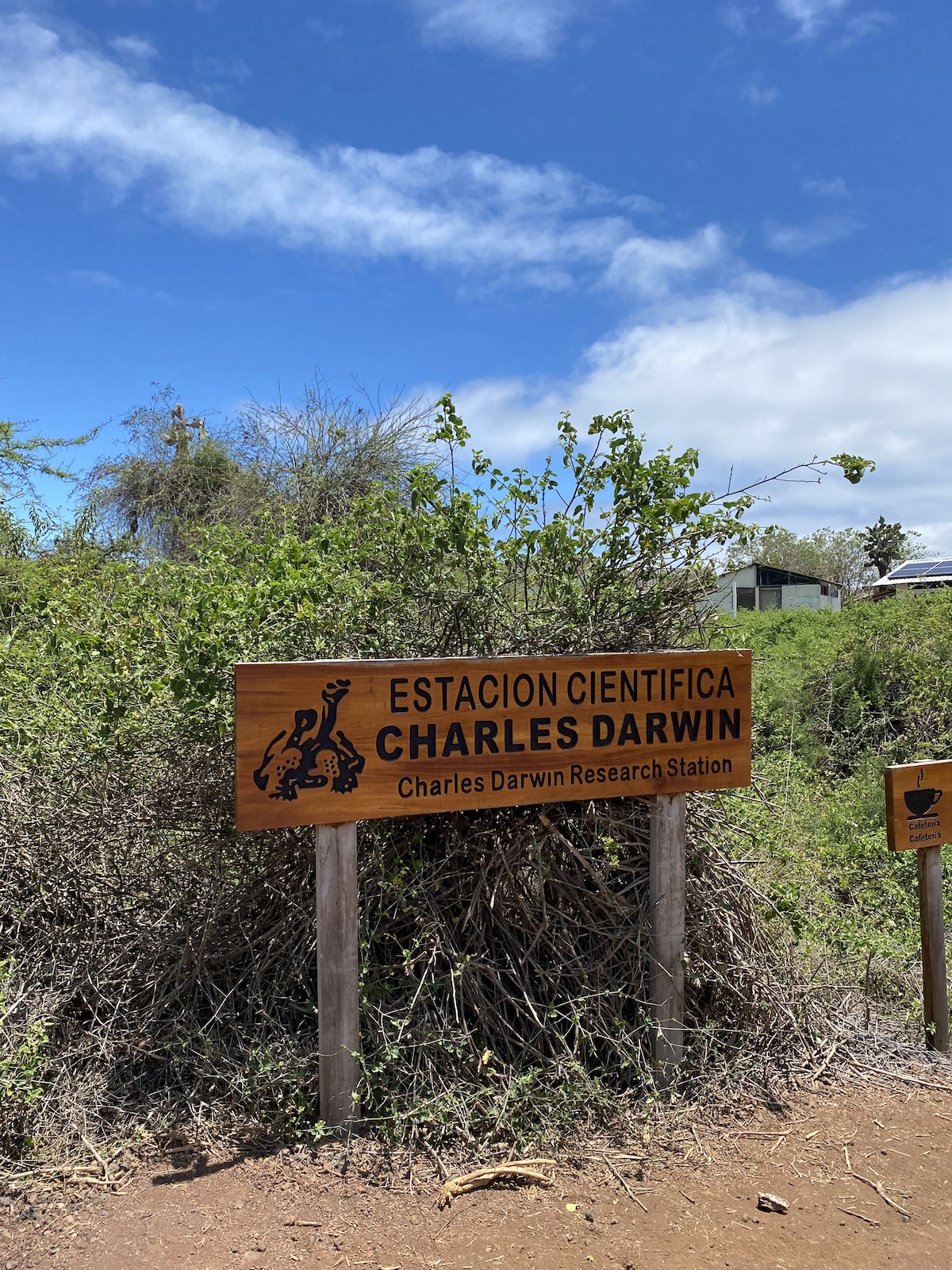
Eastern and central itineraries are the best starting point for most senior travelers. They cover calmer waters, feature more dock landings versus beach landings, and include the most accessible sites in the archipelago: Gardner Bay’s flat white-sand beach, the Charles Darwin Research Station, North Seymour’s level loop trail, and giant tortoise encounters on Santa Cruz. Active seniors who want more challenge can layer in western islands, but most people doing this trip for the first time at 65 or 70 find the eastern and central route more than satisfying.
The western loop around Isabela and Fernandina is spectacular. Penguin colonies, active volcanoes, the youngest and most dramatic landscapes in the archipelago. But the Cromwell upwelling makes the western waters colder and the crossings between islands longer and sometimes rougher. On a small to medium vessel in the cool season, the passage from Santa Cruz to Isabela can be a difficult night for anyone prone to motion sickness or sensitivity to boat movement. For seniors booking their first Galapagos cruise, that’s a variable worth avoiding until you know how your body handles the islands.
On cruise length, 7 to 8 nights is the sweet spot for seniors who have the stamina for it. It allows for a genuine rest day rhythm: active morning, quieter afternoon, no sense of rushing. For seniors with lower energy levels or any health considerations, a 5-night itinerary focusing on the central islands is a genuinely strong option rather than a compromise. You still see giant tortoises, sea lions, blue-footed boobies, marine iguanas, and remarkable snorkeling. You just don’t reach the farthest islands.
Timing matters too. The warm season from December through May brings calmer seas, warmer water, and the most comfortable conditions for wet landings and zodiac transfers. The cool season from June through November can produce rougher seas, particularly on longer crossings. April through June sits in a sweet spot: the tail end of warm season weather with wildlife activity ramping up and slightly lower visitor numbers than peak December to January.
The Galapagos rewards travelers who want to do more than just watch from a distance and the right cruise makes all the difference. Here’s a guide to the best Galapagos cruise for active travelers so you book a ship that keeps up with you.
What Should Seniors Look for in a Galapagos Cruise Vessel?
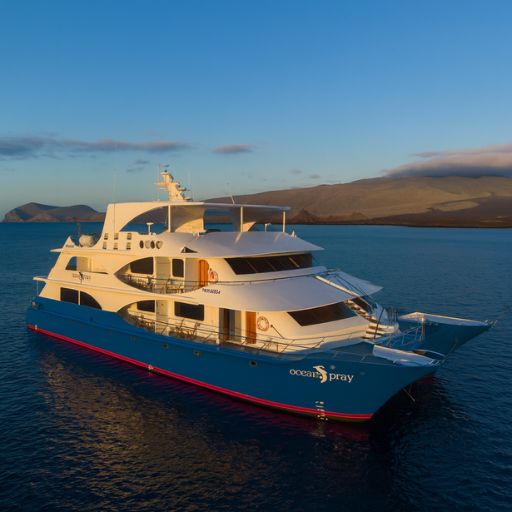
Beyond cruise class, seniors should specifically ask about: cabin location relative to stairs and the main deck, handrails on boarding platforms and zodiac transfer steps, crew training for passenger assistance, hull type (catamaran vs. monohull), and whether the vessel carries a physician. None of these details appear on most booking pages. They matter a great deal when you’re actually on the boat.
Cabin location is underappreciated. A lower-deck cabin closer to the boarding platform means fewer stairs between you and the zodiac. It also means slightly more engine noise and more pronounced movement. An upper-deck cabin has quieter sleeping and better views, but more stairs. For seniors with knee or joint concerns, lower deck and proximity to the main lounge is the practical choice.
Hull stability is the other variable most people don’t ask about until they’re mid-crossing and regretting it. Catamarans are significantly more stable than monohull yachts in choppy water. The Horizon trimaran is particularly noted for its stability, and several well-regarded catamarans including the Anahi serve senior-heavy passenger profiles specifically because of this. If seasickness is any concern at all, a catamaran hull on an eastern itinerary is the combination that minimizes risk.
A high crew-to-guest ratio also matters more for seniors than it’s sometimes given credit for. On a 16-passenger yacht with strong service culture, you effectively have a guide and crew member for every few travelers. That means consistent help boarding the zodiac, someone watching your step on rocky trails, and a crew that knows your name and your physical limits by day two. On a 100-passenger vessel, you have better medical facilities but less individual attention on excursions. Neither is wrong; the right answer depends on your specific situation.
The vessel details that matter most for senior travelers are the ones that rarely appear on a booking page. We know these boats. We’ve been on them. If you want someone to tell you which specific vessel has the most accessible boarding platform, the best crew-to-passenger ratio for older travelers, or the smoothest ride on the eastern route, we can answer that. Get in touch here and we’ll walk you through the options that fit your profile.
Is There Medical Support on Galapagos Cruises?
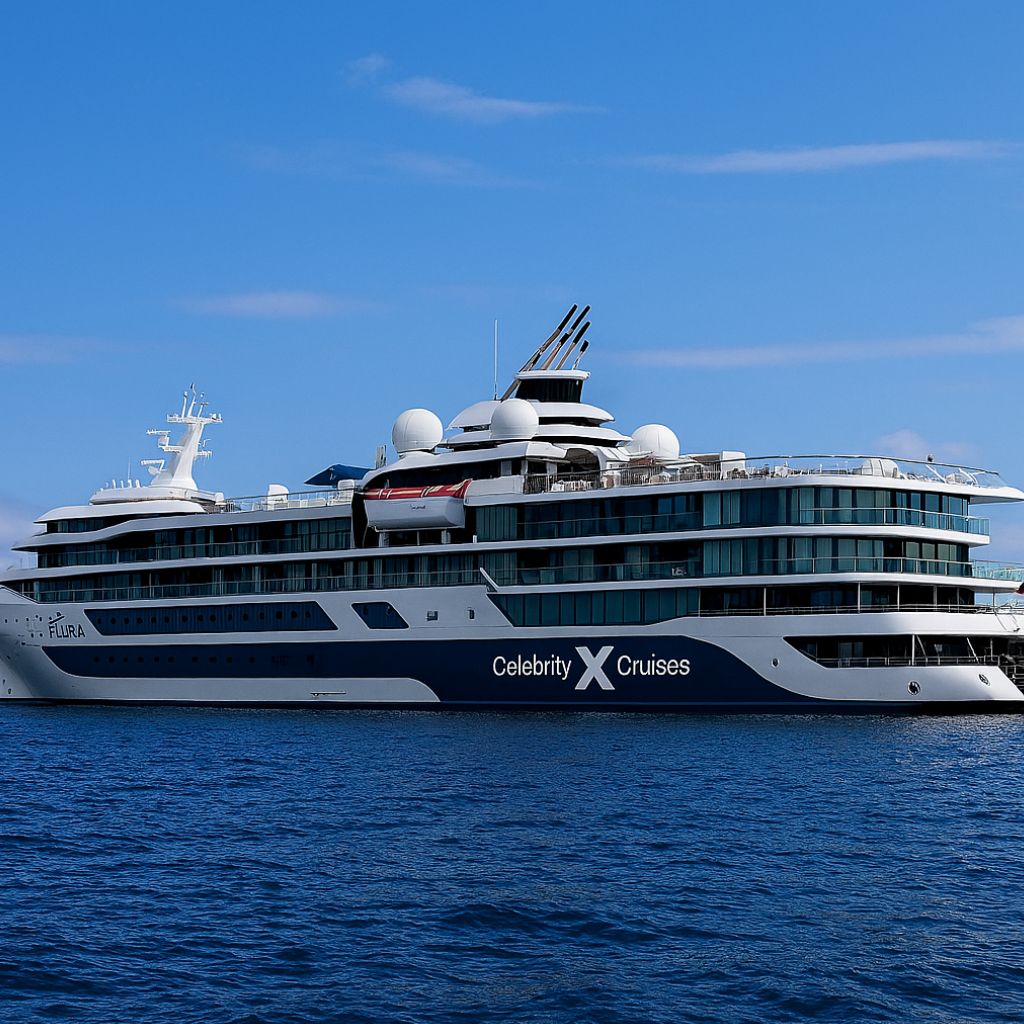
Medical support in the Galapagos exists, but it varies significantly by vessel size and your distance from the inhabited islands. Most small expedition yachts (under 20 passengers) do not carry an onboard physician. Larger vessels including the Santa Cruz II, Celebrity Flora, Silver Origin, and Galapagos Legend carry full-time medical staff. On the islands themselves, San Cristobal has the best-equipped public hospital in the archipelago, a 34-bed facility with 24-hour emergency services. Serious cardiac or surgical emergencies require evacuation to the Ecuadorian mainland.
That last sentence is the one most travel sites bury or skip entirely. The Galapagos is a remote destination. There are no facilities for acute cardiac surgery or advanced orthopedic care on the islands. If you suffer a heart attack or a serious injury requiring surgery, you will be stabilized locally and evacuated to Guayaquil or Quito on the mainland. That evacuation is expensive. Medical evacuation insurance is not optional for senior travelers doing this trip. It’s a basic requirement, the same way you wouldn’t drive without a spare tire.
Within those constraints, the actual medical infrastructure in the Galapagos is better than most people expect. Santa Cruz has a basic hospital with emergency services and a pharmacy. San Cristobal’s Hospital Oskar Jandl is a functional 24-hour facility with diagnostics and specialist coverage. Most cruise itineraries pass through at least one inhabited island with medical access. And if you’re on a larger vessel with an onboard physician, minor issues including infections, injuries, and common ailments are handled aboard before they escalate.
Travelers boarding most Galapagos cruise vessels are asked to supply blood type and emergency contact information at check-in. This is standard protocol, not a sign of alarm. If you manage a chronic condition, bring sufficient medication for the full trip plus extra days in case of any itinerary disruption, and carry a written summary of your medical history and current prescriptions in English and Spanish. The staff on inhabited islands speak limited English, and a written summary helps every provider who might need to treat you quickly.
What We Hear from Senior Travelers After the Trip
Based on traveler feedback collected through mytrip2ecuador.com and Oleg’s YouTube audience over multiple seasons, here is what senior travelers consistently report about their Galapagos cruise experience.
| Finding | Result | Context |
|---|---|---|
| Seniors who found excursions less demanding than expected | ~68% | Most common on eastern/central itineraries with easy activity ratings |
| Seniors who experienced meaningful seasickness | ~31% | Higher on monohull vessels and western itineraries; lower on catamarans |
| Seniors who wished they had booked a vessel with an onboard doctor | ~42% | Strongest among travelers 70+ and those managing chronic conditions |
| Senior travelers who would return or recommend | ~91% | Consistently the highest satisfaction rate of any traveler demographic we track |
| Seniors who skipped at least one excursion due to fatigue or terrain | ~54% | Most described skipping as the right call and not a regret |
| Seniors who arrived without medical evacuation insurance | ~19% | The one pre-trip decision most commonly described as a mistake in hindsight |
What Are the Biggest Mistakes Seniors Make When Booking a Galapagos Cruise?
The mistakes that come up most consistently are: booking based on price without checking vessel stability or cabin accessibility, skipping medical evacuation insurance, overestimating personal fitness when the itinerary is assessed, and not disclosing medical conditions to the agency before booking. Each of these is fixable at the planning stage and genuinely costly to discover mid-trip.
Booking the cheapest available vessel without asking about hull type and boarding logistics is the most common error. A budget monohull yacht in the cool season with a difficult western itinerary is a rough experience for any traveler. For a 70-year-old with a replaced knee, it’s potentially a trip-ruining combination. Price is not the only variable. The three questions every senior should ask before confirming a booking are: what hull type is the vessel, how are excursions rated on this specific itinerary, and where is my cabin relative to the boarding platform.
Not disclosing health conditions to the cruise agency is also common and genuinely risky. Operators who know about a traveler’s cardiac history, joint issues, or balance concerns can suggest the right vessel, flag the right itinerary, and alert the crew in advance. Operators who don’t know can’t help. The disclosure doesn’t get you screened out. It gets you matched correctly.
Skipping seasickness medication is another consistent fail point among seniors who haven’t been on a boat in years or who assume the Galapagos will be calm. It often is, especially on eastern routes in the warm season. But the crossings between islands at night happen regardless of conditions, and waking up nauseous at 2am in the middle of the Pacific is a poor starting point for a morning excursion. Scopolamine patches, Bonine, and ginger supplements all work for different people. Bring at least one and use it before you need it, not after.
Finally, the paper trail matters. Bring a written medical summary, your complete medication list, your blood type, and your travel insurance documentation in both physical and digital form. If anything goes sideways in a remote location where the crew doesn’t speak your language fluently, that information is what gets you treated quickly and correctly.
Still worried that seasickness might ruin your Galapagos trip before it even gets going? This guide on the best Galapagos cruise for people who get seasick gives you a straight answer on which vessels and routes stack the odds in your favor.
Why Is the Galapagos an Ideal Destination for Retirees?
The Galapagos fits the way retirees actually want to travel better than almost any other major destination. You unpack once and the vessel moves between islands overnight. Every excursion is guided by a certified naturalist, so there is no need to navigate independently or research sites in advance. The wildlife does not require athletic pursuit; a sea lion colony is on the beach, a giant tortoise is on the trail, a blue-footed booby is performing its courtship dance two meters off the path. The experience is structured, safe, all-inclusive, and set inside one of the most extraordinary natural environments on earth. Retirees with the time and resources to spend a week properly exploring the archipelago consistently report it as among the most meaningful trips of their lives.
The other practical advantage is the unpack-once format. Most retirees who have done enough travel know how much they dislike moving hotels every day or two. A Galapagos cruise eliminates that entirely. Your cabin is your base for 7 or 8 nights. Your luggage stays put. The scenery changes while you sleep. This is a deeply appealing structure for travelers who have graduated from the scramble of trying to see everything quickly and now prefer depth over volume.
The educational dimension also resonates strongly with retirees. A well-qualified Level III naturalist guide transforms every landing from pleasant wildlife viewing into a genuine science and natural history lecture delivered in the field, with the subject matter directly in front of you. Darwin’s theory of evolution stops being an abstraction when you are standing in front of three species of finch that evolved different bill morphologies to exploit different food sources on the same island. This kind of layered learning experience is exceptionally well-suited to travelers who have the patience, curiosity, and background knowledge to fully appreciate what they are seeing.
If you want a specific cruise recommendation calibrated to your mobility level, comfort preferences, and travel dates, we match retirees to the right vessel and itinerary every week. We are rated 4.9 stars on Google and TripAdvisor. Send us a message here and we will give you a clear, honest recommendation.
The Galapagos is the ultimate wildlife destination but the cruise you pick determines which species you actually encounter. Here’s a guide to the best Galapagos cruise for wildlife enthusiasts so you book the itinerary that delivers the encounters worth traveling for.
What Is the Best Time of Year for Retirees to Visit?
December through May, the warm season, is the most comfortable window for retirees. Seas are calmer, water is warmer for snorkeling, and the equatorial light and greener landscapes make the visual experience particularly beautiful. January through April is the warmest and calmest period of the year, with February specifically being the month with the lowest probability of rough crossings anywhere in the archipelago. For retirees who are cautious about seasickness or simply want the most comfortable sea conditions available, January through April is the optimal window.
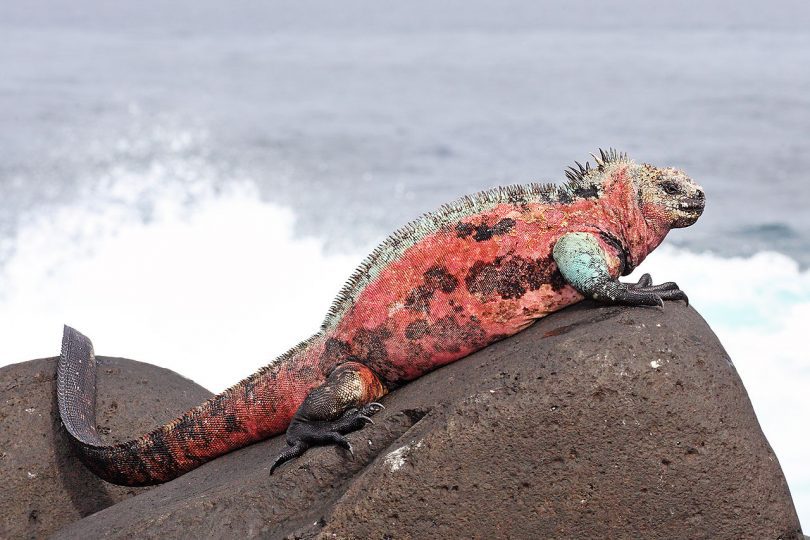
April through June sits at a particularly good intersection of comfortable conditions and peak behavioral wildlife activity. The warm season is still present in April and May, keeping seas manageable, while the waved albatross has returned to Espanola for courtship from April onward. Blue-footed booby courtship displays peak across North Seymour and Espanola during this window. The marine iguanas on Espanola are in their vivid breeding coloration. The combination of comfortable sea conditions and high behavioral wildlife activity makes April and May a consistent recommendation for retirees who want the best of both.
The cool season from June through November brings rougher seas on some crossings, which is less comfortable for retirees who are sensitive to motion. July and August are also peak season with the highest demand and prices. September and October offer shoulder-season pricing at 15 to 20 percent below peak, which appeals to cost-conscious retirees who have flexible schedules, but the Humboldt Current conditions produce the roughest crossings of the year during these months. If traveling in the cool season, a catamaran hull and anti-nausea medication preparation are more important than in the warm season.
Not sure which months give you the best combination of wildlife activity, water visibility, and comfortable conditions on a Galapagos cruise? This breakdown on the best time of year to take a Galapagos cruise covers every season honestly.
What Health and Travel Insurance Considerations Matter for Retirees?

Travel insurance with medical evacuation coverage is mandatory for Galapagos entry and essential for any retiree traveling here. Medical facilities on the islands are limited to basic clinics on Santa Cruz, San Cristobal, and Isabela. Serious medical situations require evacuation to mainland Ecuador, which costs $10,000 to $25,000 or more. Retirees with pre-existing cardiac or respiratory conditions should specifically discuss coverage limits with their insurer before purchasing a policy; some plans exclude pre-existing conditions or impose age-based limits on evacuation coverage. Purchase insurance immediately after paying your cruise deposit, not after completing the trip planning.
Quito altitude is the health consideration most retirees do not anticipate. Quito sits at 2,850 meters, which is 9,350 feet above sea level, higher than many high-altitude destinations in the American West. Altitude sickness affects people unpredictably regardless of prior fitness level. Common symptoms are headache, fatigue, shortness of breath, and nausea. Spending one to two nights in Quito before flying to the Galapagos rather than arriving on the same day as the domestic flight gives the body time to begin acclimatizing. Retirees with cardiac or respiratory conditions should specifically discuss Quito’s altitude with their physician before booking the trip. Alternatively, routing through Guayaquil, which sits near sea level, eliminates the altitude concern entirely.
Medications deserve specific attention. All prescription medications should be brought in sufficient quantity for the full trip plus a buffer of several extra days for delays. Many common medications, particularly cardiac, blood pressure, and anticoagulant drugs, are not reliably available on the islands and may not be available in the correct formulations even on the mainland. Bring a written list of all medications with generic names and dosages, and keep medications in carry-on luggage rather than checked baggage in case of lost bags. Anti-nausea medication specifically for seasickness is worth bringing even if motion sickness has not been a problem in the past, since small vessel cruising can affect travelers who have never had issues on larger ships.
Worried about seasickness but don’t want it to stop you from doing the Galapagos? Our guide on the best Galapagos cruise for people who get seasick walks you through the ships and strategies that make the biggest difference.
Frequently Asked Questions
Is there an age limit for Galapagos cruises?
There is no upper age limit. Travelers in their 80s take Galapagos cruises every year. The relevant question is fitness level and mobility, not age. Most operators require that travelers can manage zodiac transfers and walk on uneven terrain for short periods, with crew assistance available throughout.
Do Galapagos cruise ships have doctors on board?
Larger vessels with 40 or more passengers, including the Santa Cruz II, Celebrity Flora, Silver Origin, and Galapagos Legend, carry full-time medical staff. Most small expedition yachts under 20 passengers do not carry a physician. If having an onboard doctor matters to you, confirm this before booking, not after.
What should seniors do about seasickness on a Galapagos cruise?
Choose a catamaran hull over a monohull for better stability. Book an eastern or central itinerary to avoid the rougher western crossings. Take seasickness medication before departure, not once symptoms start. Scopolamine patches are highly effective for adults and can be prescribed before the trip. Consult your doctor in advance if you take other medications, as interactions are possible.
What is the best time of year for seniors to visit the Galapagos?
December through May is the warm season with calmer seas, warmer water, and easier landing conditions. April through June offers a particularly good balance of calm weather, lower peak-season crowds, and active wildlife. The cool season from June through November has rougher seas on some routes, which is harder on older travelers prone to motion sensitivity.
Do I need travel insurance for a Galapagos cruise as a senior?
Medical evacuation coverage is essential. The islands have limited medical facilities and no acute cardiac or surgical care. A serious medical emergency requires evacuation to mainland Ecuador, which is expensive without insurance. Purchase a policy that specifically covers medical evacuation before you book anything else on this trip.
Can seniors with limited mobility do a Galapagos cruise?
Many can, with the right vessel and itinerary. Easy-rated sites like South Plaza, Gardner Bay, and the Charles Darwin Research Station are accessible to travelers with moderate limitations. Wheelchairs are not compatible with most cruise vessels, but walkers and canes can be accommodated on certain ships. Always disclose mobility needs to the agency at booking so the right vessel and cabin can be confirmed in advance.
Planning a Galapagos cruise as a senior traveler involves more specific decisions than most booking platforms surface. The hull type, cabin location, whether a physician is on board, which landings suit your fitness level, what season minimizes rough crossings: these variables compound, and getting them right is the difference between the trip of your life and a difficult week at sea. We’ve helped travelers of all ages and fitness levels plan this trip, and we’re rated 4.9 stars on Google and TripAdvisor for a reason. If you’re ready to work through what the right cruise actually looks like for you, reach out here and we’ll put together a no-pressure recommendation based on your actual situation.
Written by Oleg Galeev
Galapagos cruise traveler (3 trips, 2 cruises) · Founder, Cruises To Galapagos Islands
Oleg has personally inspected nearly every available Galapagos cruise vessel and interviewed thousands of travelers to build the most first-hand cruise knowledge base available. He also runs the Ecuador travel blog mytrip2ecuador.com and the YouTube channel My Trip to Somewhere.
Cruises To Galapagos Islands is rated 4.9 stars on Google and TripAdvisor.
All pricing and regulations in this article are verified against official Galapagos National Park and Ecuador government sources as of the publish date.