Can You Do a Galapagos Cruise While Pregnant?
Important:
This article provides general travel planning information only and is not medical advice. Every pregnancy is different. Consult your obstetrician or midwife before booking any travel during pregnancy. They are the only person qualified to assess whether a Galapagos cruise is appropriate for your specific situation.
Part of our guide to the types of Galapagos cruises. Ready to pick a ship? See compare all Galapagos cruise ships by price, size and class.
Quick Facts: Galapagos Cruise Planning During Pregnancy
| Detail | What Pregnant Travelers Need to Know |
|---|---|
| Park entry fee | $200 USD cash per adult on arrival – Verified July 30, 2026 |
| Pregnancy cutoff on most Galapagos vessels | Must not reach 24 weeks of pregnancy during the cruise; most operators enforce this strictly |
| Doctor’s letter required | Yes; must state: fit to travel, pregnancy not high-risk, expected due date; required by most operators |
| Best trimester to travel | Second trimester (weeks 14 through 23); nausea typically reduced; energy improved; bump manageable |
| Medical facilities on islands | Basic clinics on Santa Cruz, San Cristobal, Isabela; no obstetric specialist; serious cases require mainland evacuation |
| Travel insurance | Essential; must include medical evacuation; verify pregnancy coverage terms before purchasing |
| Zika virus risk in Galapagos | Very low; Galapagos Islands are considered low-risk; Zika-carrying mosquitoes cannot survive at Quito’s altitude; risk exists in coastal Ecuador mainland |
| Malaria risk in Galapagos | No malaria risk in the Galapagos Islands or in Quito |
| Snorkeling during pregnancy | Generally considered safe for uncomplicated pregnancies per CDC Yellow Book 2026; confirm with your physician |
| Scuba diving during pregnancy | Best avoided; CDC Yellow Book 2026 notes data from animal studies suggest possible adverse fetal effects |
Is a Galapagos Cruise Safe During Pregnancy?
This is a question your obstetrician must answer for your specific pregnancy. What this article can do is describe the destination’s medical context and logistical realities so you can have an informed conversation with your doctor. For many women with uncomplicated second-trimester pregnancies, a Galapagos cruise is a viable and genuinely meaningful trip. The destination requires honest assessment of several pregnancy-specific factors: the remoteness of the islands and limited medical facilities, the physical demands of panga transfers and trail walking, the sea motion of overnight crossings, and the operator’s hard cutoff at 24 weeks of gestation.
The most important framing: the Galapagos Islands are remote. The nearest major hospital with obstetric specialist care is on the mainland of Ecuador in Quito or Guayaquil, a flight away from the islands. The clinics on Santa Cruz, San Cristobal, and Isabela handle basic care but are not equipped for obstetric emergencies or premature delivery. Medical evacuation from the islands to the mainland costs between $10,000 and $25,000 or more and takes time. These are not reasons to automatically rule out the trip, but they are facts that belong in any risk assessment conversation with your physician before booking.
The Galapagos cruise format has structural features that work in a pregnant traveler’s favor. You unpack once for the whole trip. The vessel is your base. Every excursion is guided and structured, so there is no independent navigation in unfamiliar terrain. The pace is measured, with time at anchor between excursions. Meals are included and prepared on board. These features reduce the logistical stress of travel considerably compared with a land-based itinerary involving hotel changes and independent transportation.
If you are pregnant and considering a Galapagos cruise and want help identifying the right vessel, itinerary, and season for your situation after you have spoken with your physician, we help travelers navigate this regularly. We are rated 4.9 stars on Google and TripAdvisor. Send us a message here and we will work through the options with you honestly.
Which Trimester Is Best for a Galapagos Cruise?
The second trimester, roughly weeks 14 through 23, is generally the most practical window for a Galapagos cruise during pregnancy, and the only window that works within the operator’s 24-week cutoff while avoiding the physical discomforts of the first trimester. First-trimester travel is often complicated by nausea and fatigue that interact poorly with sea motion and the early-morning activity schedule of a cruise. Third-trimester travel is prohibited by most operators once a traveler reaches or would reach 24 weeks during the trip. The second trimester sits between these two constraints: nausea typically eases, energy improves, and the pregnancy is generally at its most stable and comfortable for travel.
First-trimester considerations are real. Morning sickness that is manageable on land can become significantly worse on a moving vessel, particularly during overnight crossings. The early activity schedule of a Galapagos cruise, with first excursions typically beginning at 7am after breakfast, requires energy that the first trimester often does not reliably provide. Some travelers do complete Galapagos cruises in the first trimester without significant problems; others find the combination of sea motion and nausea makes the trip miserable rather than joyful. Your own first-trimester symptom pattern is the most useful guide.
The third trimester is effectively closed by the 24-week cutoff that most operators enforce. This is not an arbitrary policy. Cruise vessels are not equipped to handle premature birth or serious obstetric emergencies, and the remote location of the Galapagos means that any complication requiring specialist obstetric care involves an evacuation to the mainland. The policy protects both the traveler and the vessel’s crew from a situation none of them are equipped to manage.
| Trimester | Weeks | Key Considerations | Practical Verdict |
|---|---|---|---|
| First trimester | Weeks 1 to 13 | Nausea and fatigue often peak; sea motion can worsen symptoms; miscarriage risk is statistically higher in this period; operators generally permit travel with physician letter | Possible but the most uncomfortable window for most travelers; symptoms vary greatly |
| Second trimester | Weeks 14 to 23 | Nausea typically eases; energy improves; bump is manageable; pregnancy generally stable; operators permit with physician letter | The most suitable window; best practical choice for most uncomplicated pregnancies |
| Third trimester | Week 24 onward | Most operators prohibit boarding at or after 24 weeks; mobility increasingly limited; obstetric risk profile changes significantly | Not available on most Galapagos vessels; policy is strictly enforced |
What Medical and Health Risks Should Pregnant Travelers Consider?
Four specific health considerations apply to the Galapagos for pregnant travelers beyond the general cruise pregnancy context. The first is the remoteness of medical care and the evacuation cost if anything goes wrong. The second is Quito’s altitude of 2,850 meters (9,350 feet), which some pregnant travelers find uncomfortable or which may be contraindicated depending on their specific medical situation. The third is the Zika virus context in Ecuador. The fourth is sea motion and its interaction with pregnancy nausea. None of these considerations automatically rules out the trip, but each deserves a specific discussion with your physician before booking.
Zika virus is present in coastal mainland Ecuador but the Galapagos Islands are considered low-risk. The species of mosquito that carries Zika cannot survive at the altitude of Quito (2,850 meters), making the transit through Quito the safer routing option compared to routing through coastal Guayaquil. On the Galapagos Islands themselves, the strict biosecurity system that controls invasive species also substantially reduces mosquito populations compared to mainland Ecuador. The CDC and WHO advise pregnant women to discuss travel to Ecuador with their physician, use insect repellent approved for use during pregnancy, and cover skin to minimize mosquito contact. No malaria risk exists in the Galapagos or in Quito.
Quito’s altitude deserves specific attention. At 2,850 meters, some pregnant travelers experience altitude symptoms including shortness of breath and fatigue more readily than non-pregnant travelers due to pregnancy’s demands on the cardiovascular system. Spending one to two nights in Quito before flying to the Galapagos allows partial acclimatization. Travelers with any cardiac or respiratory history should specifically discuss Quito’s altitude with their physician, as the combination of pregnancy and high altitude places additional demands on the heart. The alternative, routing through Guayaquil at sea level, eliminates the altitude factor entirely.
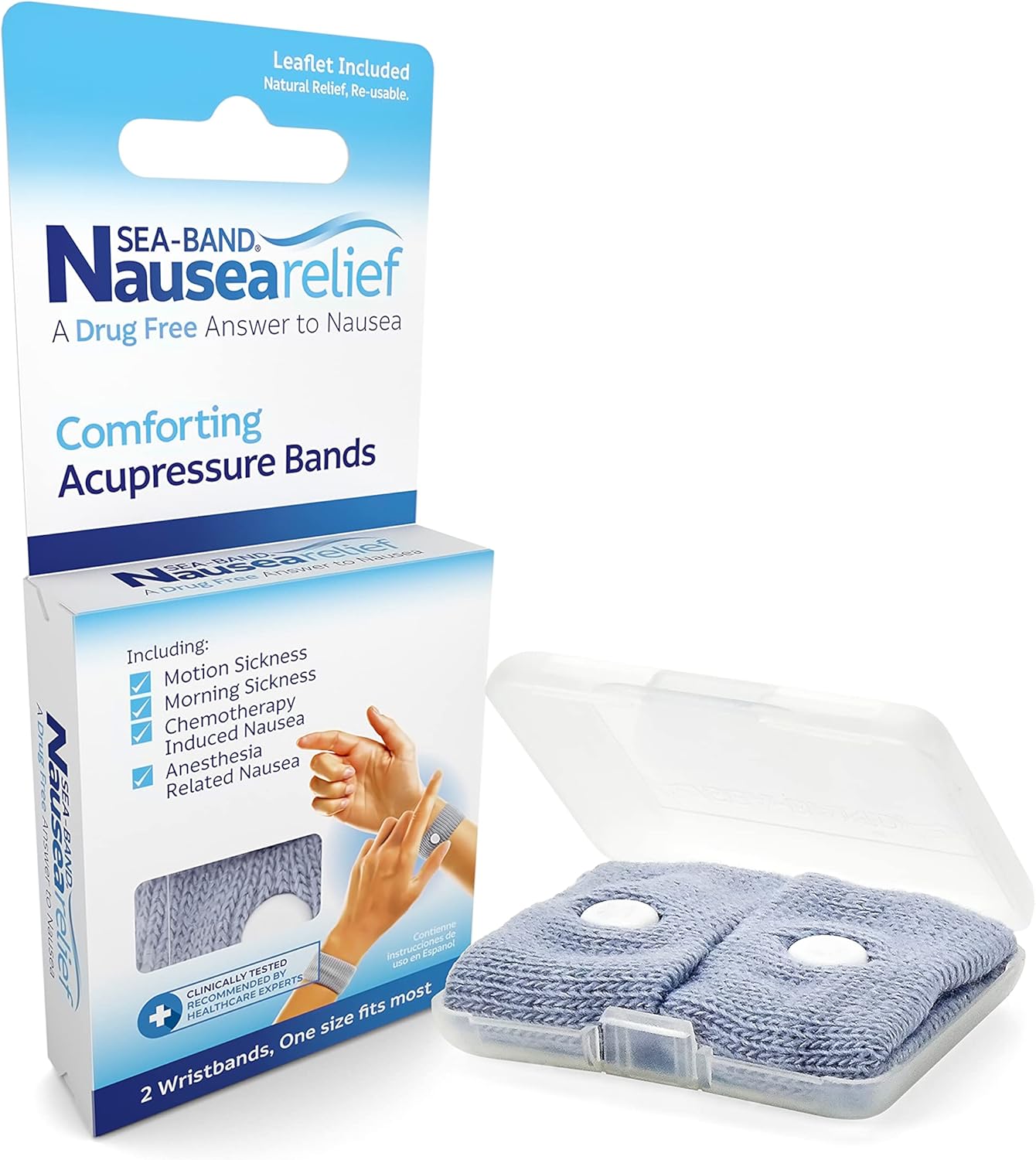
Sea motion and pregnancy nausea interact in ways that vary widely between individuals. A traveler whose morning sickness is mild and well-managed may find the sea crossings minimally disruptive, particularly on an eastern itinerary in the warm season when conditions are calmest. A traveler whose nausea remains significant in the second trimester may find overnight crossings deeply unpleasant. Common sea motion medications including Dramamine (dimenhydrinate) and scopolamine patches should be discussed with your obstetrician before travel, as pregnancy safety profiles vary. Ginger-based remedies are generally considered safe and are worth including as a first-line option.
Once your physician has cleared your travel, identifying the right vessel, itinerary, and cabin position for your pregnancy is a practical planning task we can help with directly. Reach out here and we will walk through the options with your specific situation in mind.
Seasickness is the number one concern for first-time Galapagos cruisers and the boat you pick makes a real difference. Here’s a guide to the best Galapagos cruise for people who get seasick so you choose a vessel that works in your favor.
Which Vessel and Itinerary Is Best for Pregnant Travelers?
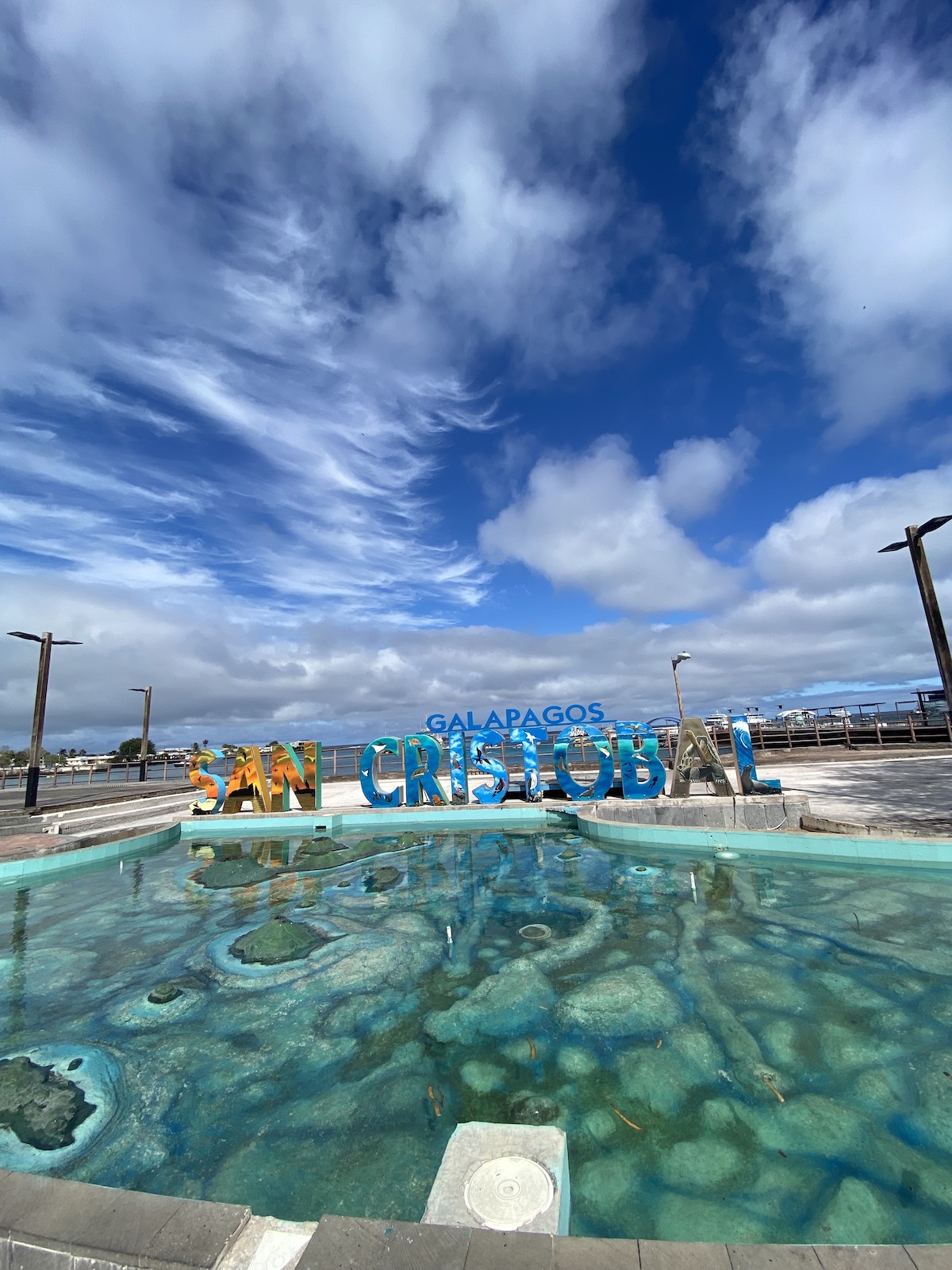
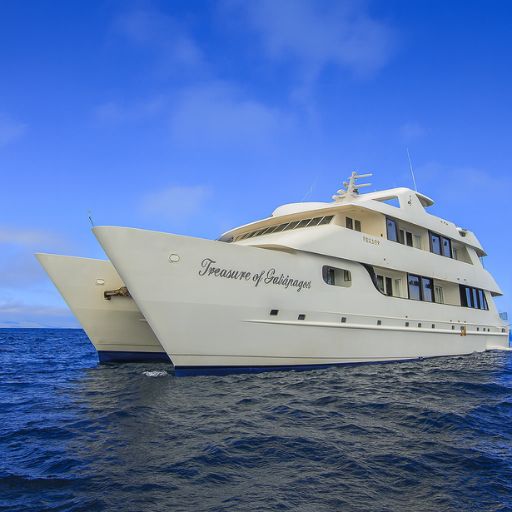
The eastern 8-day itinerary on a catamaran hull is the most suitable combination for most pregnant travelers. The eastern route covering Santa Cruz, San Cristobal, Espanola, and Floreana has the shortest and calmest overnight crossings in the archipelago. A catamaran hull reduces rolling motion significantly compared to a monohull, which matters for overnight comfort and for managing residual nausea. A lower-deck mid-ship cabin minimizes the motion felt during crossings. A mid-range or first-class vessel ensures a private en-suite cabin with reliable air conditioning, important for managing the temperature sensitivity that pregnancy can intensify.
The western itinerary covering Isabela and Fernandina is not the right choice for most pregnant travelers. The Bolivar Channel between Isabela and Fernandina is the roughest water in the archipelago, particularly from August through October. The terrain at Punta Espinosa on Fernandina is loose cobble lava. The Sierra Negra hike on Isabela is 24 kilometers round trip with significant elevation gain. None of these conditions are appropriate for a second-trimester pregnancy without specific physician assessment and clearance for each activity.
Informing the operator of your pregnancy at booking time is important for two practical reasons. First, the crew can be briefed on your situation so that panga transfers, where you step between a moving zodiac and a landing platform with crew assistance on both sides, receive additional crew attention and support. Second, the naturalist guide can adjust the trail pace and site timing to accommodate a pregnant traveler who needs to move more slowly or rest more frequently than the average group member. Crew members on quality Galapagos vessels are experienced at accommodating passengers with physical considerations, but they can only do so effectively if they know in advance.
What Should Pregnant Travelers Pack and Prepare?
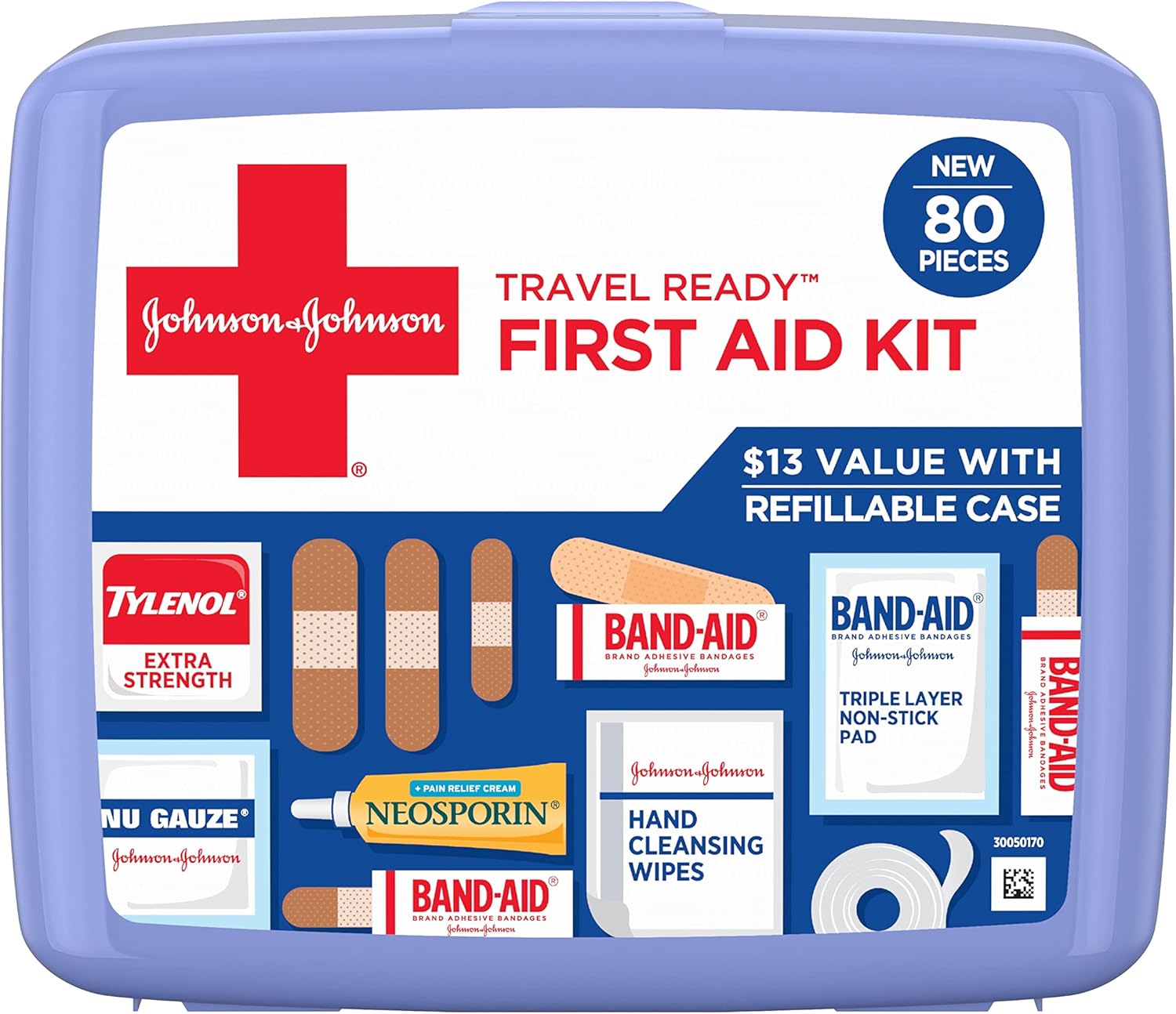
Preparation for a Galapagos cruise during pregnancy involves both standard pregnancy travel kit items and Galapagos-specific considerations. The CDC Yellow Book 2026 recommends pregnant travelers include antacids, antiemetic drugs, graduated compression stockings, prenatal vitamins, and all prescription medications with an adequate buffer supply for delays. For the Galapagos specifically, add reef-safe sunscreen approved for use during pregnancy, insect repellent appropriate for pregnancy, a wide-brim sun hat and UV-protective clothing for the equatorial sun, and supportive footwear with ankle stability for uneven volcanic terrain.
The physician’s letter is a non-negotiable document. It must state that you are fit to travel, that your pregnancy is not high-risk, and must include your expected due date. Most operators require this letter to be provided at check-in or faxed in advance. Do not arrive at the boarding point expecting to negotiate an exception. The 24-week policy is enforced without exception by most Galapagos operators, and arriving with a letter that is missing any of the required elements risks being denied boarding.
Travel insurance requires particular attention for pregnant travelers. Many standard travel insurance policies exclude pregnancy-related claims or apply specific limits to obstetric coverage. Verify explicitly that your policy covers pregnancy-related medical emergencies, emergency medical evacuation from the Galapagos Islands, and trip cancellation due to pregnancy complications before your departure. Purchase the policy immediately after paying your cruise deposit, not after completing all travel planning. Evacuation from the Galapagos to mainland Ecuador can cost $10,000 to $25,000 or more; without evacuation coverage, this cost falls entirely on you.
Pregnant Travelers Who Have Done a Galapagos Cruise: What They Tell Us
From the travelers Oleg has interviewed through mytrip2ecuador.com and the YouTube channel, a small but consistent group of pregnant travelers have shared their Galapagos cruise experiences. The data below reflects aggregate feedback from this group.
| Finding | Result | Context |
|---|---|---|
| Pregnant travelers who said the second trimester made the trip significantly more comfortable than they expected | ~74% | Most cited reduced nausea and improved energy compared to their first trimester experience |
| Pregnant travelers who said the crew’s awareness of their pregnancy improved their experience | ~88% | Extra panga assistance, slower trail pacing, and check-ins during crossings cited most often |
| Pregnant travelers who said overnight crossings were more uncomfortable than expected | ~31% | Most common on monohull vessels; catamaran travelers reported this significantly less often |
| Pregnant travelers who said they wished they had chosen an eastern rather than western itinerary | ~42% | All had booked western itineraries; primary complaint was Bolivar Channel crossing discomfort |
| Pregnant travelers who said the Galapagos trip was worth it and they were glad they went | ~83% | Many cited it as a particularly meaningful trip to share with a growing family |
What Activities Can Pregnant Travelers Do on a Galapagos Cruise?
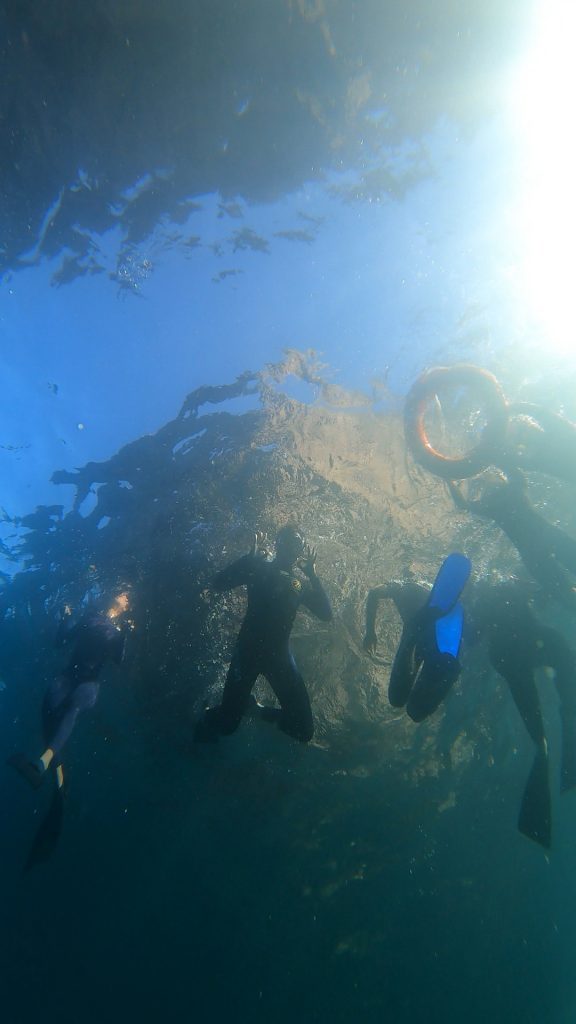
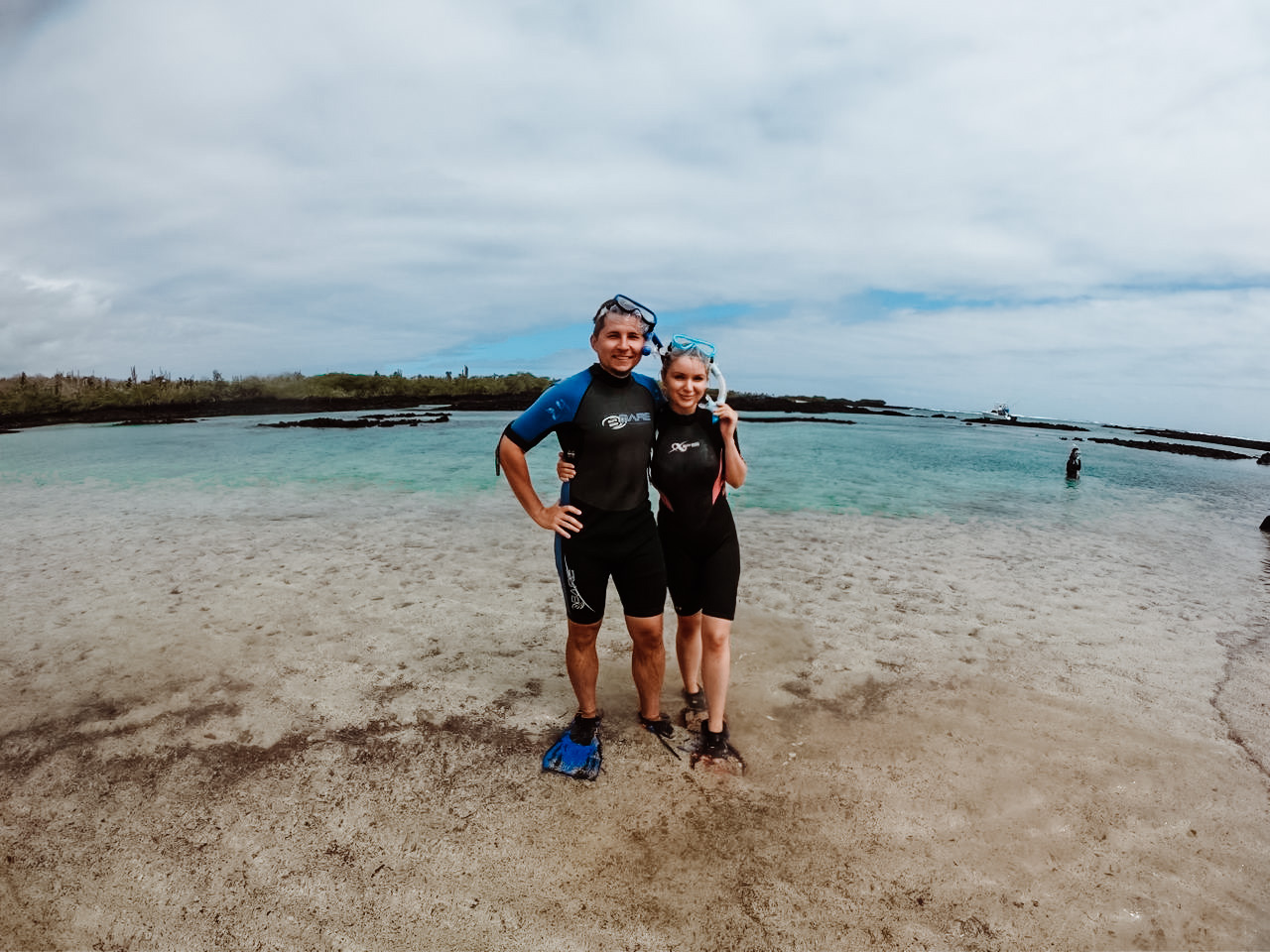
Most standard Galapagos cruise activities are appropriate for uncomplicated second-trimester pregnancies with physician approval. Trail walks at most eastern sites are manageable at a moderate pace with proper footwear. Snorkeling is generally considered safe during pregnancy according to the CDC Yellow Book 2026, provided conditions are calm and the traveler has physician clearance. Panga rides and zodiac exploration are fine with crew assistance at boarding points. Naturalist lectures and evening briefings are entirely unrestricted. The activities to avoid are scuba diving, vigorous hiking like Sierra Negra, and any activity involving risk of falls to the abdomen.
Snorkeling during pregnancy is an area where individual medical guidance matters. The CDC Yellow Book 2026 states that swimming and snorkeling are generally safe during pregnancy. At the same time, snorkeling in the Galapagos involves cooler water than many tropical destinations, requires physical exertion in fin-kicking, and occurs in open ocean conditions that can involve currents. For an uncomplicated second-trimester pregnancy with an active pre-pregnancy swimming background, this presents minimal additional risk. For someone new to snorkeling, particularly in cool water with currents, the activity adds a layer of physical stress that should be discussed with a physician. Shorter sessions, staying close to the vessel or zodiac, and stopping immediately if you feel overheated, fatigued, or breathless are practical guidelines regardless of what your physician clears.
Scuba diving is best avoided during pregnancy entirely. The CDC Yellow Book 2026 notes that data from animal studies suggest possible adverse fetal effects from fetal decompression illness and hyperbaric oxygen exposure. While the data are not definitive, the risk-benefit calculation for recreational diving during pregnancy does not support it. If diving is a primary motivation for the trip, consider postponing the Galapagos cruise until after the pregnancy.
Not sure which Galapagos cruise packs in the most hiking, snorkeling, kayaking, and diving without wasting time on passive excursions? Here’s the best Galapagos cruise for active travelers broken down by activity level and itinerary intensity.
What Are the Biggest Mistakes Pregnant Travelers Make Booking a Galapagos Cruise?
Four mistakes appear consistently in pregnant traveler bookings. The first is calculating weeks incorrectly and arriving at 24 weeks or finding the cruise dates would push past 24 weeks, which results in denied boarding with no refund. The second is purchasing travel insurance that excludes pregnancy-related claims without checking the policy terms. The third is not informing the operator of the pregnancy at booking time, which means the crew is not briefed and cannot provide appropriate panga support. The fourth is booking the western itinerary without understanding it involves the roughest water in the archipelago and the most physically demanding trail terrain.
The gestational week calculation mistake is the most consequential because its outcome is denied boarding. Count your weeks carefully against your departure date and your expected end-of-cruise date. Most operators apply the rule to the last day of the cruise, not the departure date. A traveler who will be 23 weeks and 4 days on departure day but will reach exactly 24 weeks on the last day of an 8-day cruise will typically be denied boarding, not cleared. Work through these dates with your operator before paying any deposit to confirm you are within the permitted window with a meaningful buffer.
Not informing the operator is a mistake with practical consequences on every day of the trip. The crew cannot provide extra panga boarding assistance they do not know is needed. The guide cannot adjust the trail pace for someone they believe is simply a slow walker rather than a pregnant traveler who should not be pushed. The galley cannot accommodate specific dietary needs or food aversions during the first or second trimester if they do not know about them. Disclosure at booking protects you on every level and costs nothing.
Frequently Asked Questions
Can I be denied boarding at a Galapagos cruise if I am pregnant?
Yes. Most Galapagos operators will deny boarding to any traveler who has reached or will reach 24 weeks of pregnancy during the cruise. This policy is strictly enforced. You will also be required to present a physician’s letter at check-in stating that you are fit to travel, that your pregnancy is not high-risk, and stating your expected due date. If either the letter is missing or you have reached the gestational cutoff, most operators will not allow boarding, and standard cancellation policies apply.
Is Zika virus a concern for pregnant travelers going to the Galapagos?
The Galapagos Islands are considered low-risk for Zika because the mosquito species that carries the virus cannot survive at the islands’ conditions or at Quito’s altitude of 2,850 meters. The risk is higher in coastal mainland Ecuador including Guayaquil. If routing through Guayaquil, discuss mosquito protection measures with your physician, use insect repellent approved for pregnancy, and cover skin. Routing through Quito substantially reduces Zika exposure risk compared to coastal routing. Discuss the full itinerary with your physician before booking.
What happens if I have a pregnancy complication on a Galapagos cruise?
The vessel’s naturalist guide holds first aid certification and most vessels carry basic medical supplies. The nearest basic clinic is on the inhabited island where you are anchored. For serious obstetric complications, the standard protocol is radio contact with the Ecuadorian coast guard for evacuation to the nearest island clinic and then emergency flight to mainland Ecuador where specialist obstetric care is available in Quito or Guayaquil. This is why comprehensive travel insurance with explicit emergency medical evacuation coverage is not optional for pregnant travelers visiting the Galapagos.
Planning a Galapagos cruise during pregnancy involves an additional layer of logistics beyond a standard booking: physician clearance, gestational week verification, operator notification, travel insurance pregnancy terms, and itinerary selection that accounts for sea conditions and trail demands. Once you have your physician’s clearance, we can help you navigate all of the logistical elements with your specific situation in mind. We are rated 4.9 stars on Google and TripAdvisor. Get in touch here and we will help you plan this trip carefully and honestly.
Written by Oleg Galeev
Galapagos cruise traveler (3 trips, 2 cruises) and Founder, Cruises To Galapagos Islands
Oleg has personally inspected nearly every available Galapagos cruise vessel and interviewed thousands of travelers. He also runs the Ecuador travel blog mytrip2ecuador.com and the YouTube channel My Trip to Somewhere.
Cruises To Galapagos Islands is rated 4.9 stars on Google and TripAdvisor.
All pricing and regulations verified against official Galapagos National Park and Ecuador government sources as of July 30, 2026. Health information sourced from CDC Yellow Book 2026 edition. This article is not a substitute for medical advice.