
Quick Summary
Dietary restrictions are accommodated on most Galapagos cruise vessels, but with one critical requirement: communicate your needs at booking, not on arrival. Vessels load provisions before departure from Guayaquil and cannot source specialist ingredients at sea. Vegetarian diets are well handled fleet-wide. Vegan diets are accommodated on mid-range to luxury vessels with advance notice. Gluten-free is structurally easy because Ecuadorian cuisine is rice and plantain-based, but celiac disease requires specific cross-contamination protocols that must be communicated clearly. Kosher and halal can be arranged with significant advance notice on better vessels. Budget boats handle restrictions less reliably than luxury ones.
Dietary Restrictions on Galapagos Cruises: Quick Reference
| Dietary Requirement | Generally Accommodated? | Advance Notice Required? | Key Caveat |
|---|---|---|---|
| Vegetarian | Yes, fleet-wide | Recommended, not always required | Always available at buffets. Plated dinner alternatives prepared on advance notice. |
| Vegan | Yes on mid-range to luxury; variable on budget | Required – notify at booking | Chef needs to plan menu in advance. Budget boats less reliable. Fresh fruit and vegetable variety depends on provisioning. |
| Gluten-free (preference) | Yes, most vessels | Recommended | Ecuadorian cuisine is naturally rice and plantain-based. Main challenges are breakfast breads and flour-thickened sauces. |
| Gluten-free (celiac disease) | Yes on mid-range to luxury with advance notice | Required – must specify medical severity | Cross-contamination protocols activated only when chef knows medical context. Soy sauce (containing wheat) is a hidden risk in Ecuadorian cooking. |
| Dairy-free / lactose intolerant | Yes, most vessels | Recommended | Specify preferred milk alternative (oat, almond, soy) when notifying, as availability of each varies by vessel provisioning. |
| Food allergies (nuts, shellfish, etc.) | Yes on most vessels | Required – specify allergen at booking | Be specific and clear about severity. Life-threatening allergies require direct confirmation of kitchen protocols before booking. |
| Kosher | Kosher-style on most; certified Kosher on few | Required – 60 days minimum advance notice | True certified Kosher is extremely difficult to provide in a remote archipelago. Operators provide kosher-style preparation using separate cookware. |
| Halal | Yes with advance notice on better vessels | Required – as early as possible | Seafood and plant-based meals provide a natural foundation. Halal-certified meat may not be available; vegetarian Halal options are more reliable. |
Always confirm specific protocols directly with your operator before booking. Verified September 2026.
Can Galapagos Cruise Ships Accommodate Dietary Restrictions?
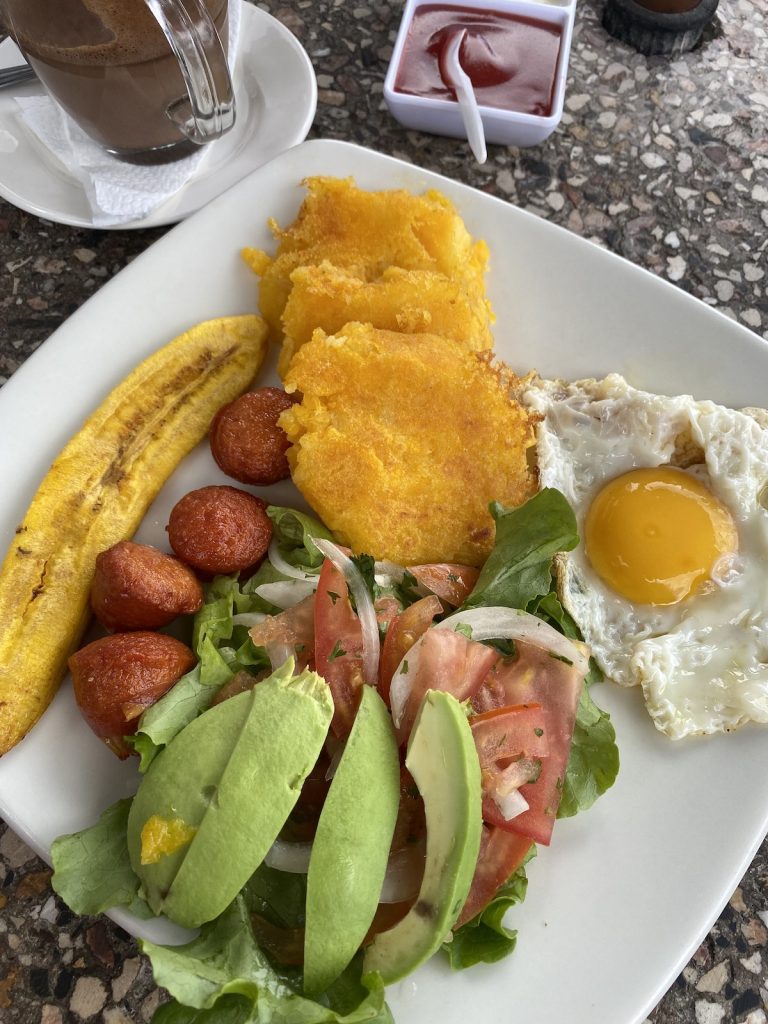
Yes, most Galapagos cruise vessels accommodate dietary restrictions, but the quality of accommodation varies by vessel class and by how clearly and early the traveler communicates their needs. The advance-notice requirement is not a formality: vessels provision before departure from Guayaquil, and the chef cannot source specialist ingredients once at sea. Dietary needs communicated at booking are written into the provisioning order. Dietary needs communicated on embarkation day are accommodated as improvisation.
The structural advantage of a Galapagos cruise for dietary restrictions is the small vessel size. On a vessel carrying 16 to 40 passengers, the chef can realistically know every guest’s dietary requirements by name within the first meal. This is categorically different from a 3,000-passenger mainstream cruise liner where dietary requests are processed through a database and delivered by a rotating service team. On a small Galapagos expedition vessel, the cook who knows you are celiac is the same cook who touches every dish that comes to your table. When that relationship is established and communicated clearly, dietary accommodation on a Galapagos cruise can be excellent.
The limitation is the supply chain. The Galapagos is a remote archipelago with strict biosecurity rules that restrict what can be brought in from the mainland. Fresh fruits and vegetables are among the items that cannot be freely imported. Specialist ingredients such as certified gluten-free pasta, specific plant-based milk alternatives, or particular allergy-safe products must be provisioned in Guayaquil before departure. What is on the vessel when it leaves port is what is available for the week. This is why advance notice genuinely matters: it changes the provisioning order, not just the chef’s intent when you arrive.
We pass dietary requirements directly to the vessel for every traveler we book, and we follow up to confirm the kitchen received and understands the needs before departure. This is standard in our booking process. If you have a dietary restriction that matters to your cruise experience, that is exactly the kind of information we act on. Fill out this short form and include your dietary requirements alongside your cruise inquiry – we will factor it into the vessel recommendation we make.
We’ve got a full Galapagos cruise food guide if you want to know exactly what to expect across tourist class, tourist superior, and luxury vessels and how dietary restrictions are typically handled on board.
How Well Do Galapagos Cruises Handle Vegetarian and Vegan Diets?
Vegetarian diets are handled reliably on every Galapagos cruise vessel. Vegetarian options appear at buffet breakfasts and lunches on all tiers and can be requested as plated alternatives at dinner with advance notice. Vegan diets are accommodated on mid-range to luxury vessels with advance notice, but with variable quality on budget boats where the chef may not have the training or provisions to build satisfying plant-based meals beyond basic vegetables and rice.
The Ecuadorian culinary tradition provides a strong foundation for vegetarian cooking. Local produce from the highlands and coastal farms includes passionfruit, guava, tree tomatoes, various peppers, quinoa, plantains, yuca, and an array of tropical vegetables. Rice and beans form the base of most meals. Fresh eggs are universally available. For lacto-ovo vegetarians, the Galapagos cruise kitchen offers a genuinely varied diet without needing to make dramatic accommodations for every meal.
Vegan diets require more deliberate kitchen planning. The elements that require substitution are dairy in sauces and desserts, eggs at breakfast, and the occasional meat stock used to build savory dishes. On luxury vessels with trained Relais and Chateaux chefs, plant-based alternatives are prepared with the same care as the main menu: a hearts-of-palm ceviche instead of the shrimp version, a coconut milk-based stew instead of the dairy reduction, a fresh fruit plate and naturally sweetened preparation for dessert. On a budget vessel with a smaller kitchen and less trained staff, vegan accommodation is more likely to mean removing animal products from existing dishes than creating new plant-based preparations.
One practical tip for vegan travelers: specify that you want satisfying, nutritionally complete meals, not just the removal of animal products. The difference between telling a chef “I am vegan” and “I am vegan and I need protein-rich options at every meal such as legumes, quinoa, or tofu” is the difference between a plate of grilled vegetables and a genuinely nourishing plant-based dinner. The more specific the brief, the better the kitchen can respond.
The vessels we recommend for travelers with serious dietary requirements are those with trained chefs who have specific experience with plant-based and restricted-diet menus. Not every vessel in the fleet meets this standard. We know which ones do. Reach out here and tell us your dietary requirements alongside your travel dates and we will match you with the right vessel.
Is Gluten-Free Food Available on a Galapagos Cruise?
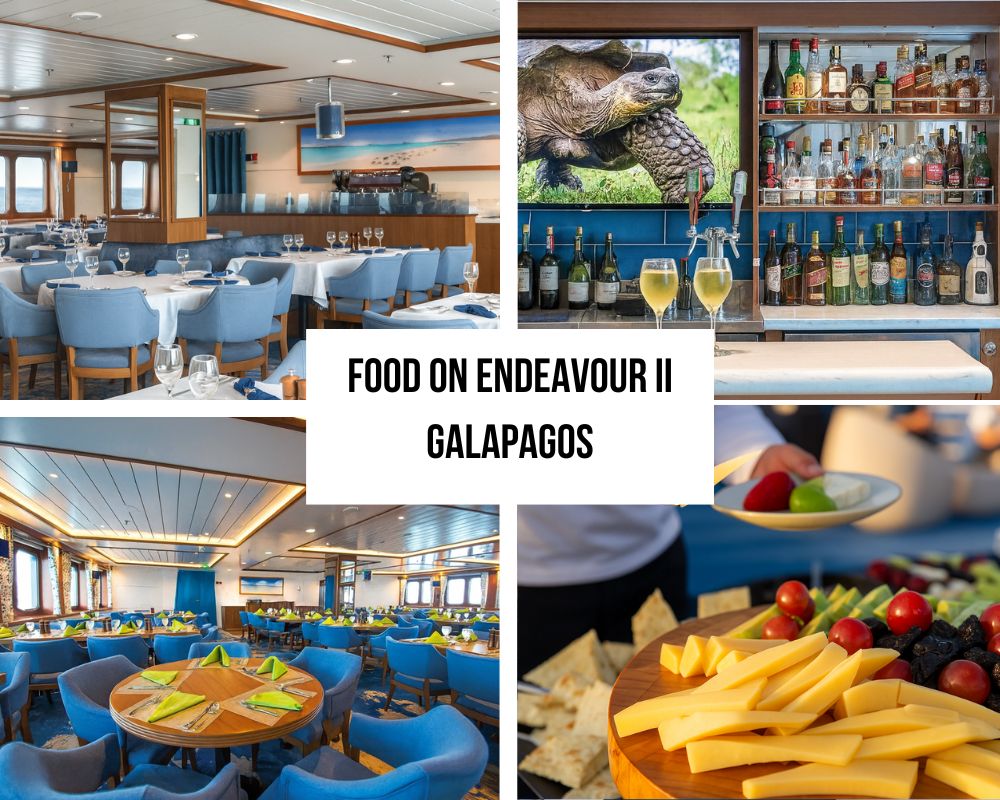
Gluten-free eating on a Galapagos cruise is structurally easier than at most travel destinations because Ecuadorian coastal cuisine is naturally built around rice, plantains, yuca, corn, and fresh seafood rather than wheat. The main gluten challenges are breakfast breads and pastries, and sauces thickened with wheat flour. For preference-based gluten-free eating, the natural menu composition handles most of it. For celiac disease, cross-contamination protocols must be specifically requested and confirmed before boarding.
The structural gluten-free advantage of Ecuadorian cuisine is real and meaningful. At a typical lunch or dinner on a mid-range or luxury Galapagos vessel, the core dishes are naturally gluten-free: grilled or ceviche-style fresh fish, rice, patacones (fried green plantain), a salad, and fresh fruit. The chef does not need to substitute a gluten-free pasta or create an alternative main course. The main course is already naturally gluten-free for most of the menu.
The hidden gluten risk in Ecuadorian cooking is soy sauce, known locally as salsa china or salsa soya. Traditional Ecuadorian recipes frequently use soy sauce as a marinade and flavor base for meat and fish preparations, and the standard soy sauce used in Ecuador contains wheat. This is the specific issue that has caused gluten reactions on cruise vessels even when the kitchen believed it was providing gluten-free food. Wheat-free tamari is the safe alternative. For travelers with celiac disease, the soy sauce issue must be raised explicitly: ask your operator to communicate to the kitchen that all soy sauce must be wheat-free tamari or omitted entirely.
A celiac traveler on the National Geographic Endeavour II described the accommodation as excellent: “The head waiter searched me out at every meal to explain the modifications taken for my safety, and the special gluten-free banana, cassava, and zucchini breads were tastier than the regular bread rolls.” This standard of proactive accommodation is what mid-range to luxury vessels can achieve when the medical severity has been communicated clearly at booking. It is not the standard on budget vessels where cross-contamination awareness may be lower and the kitchen crew smaller.
What About Food Allergies on a Galapagos Cruise?
Common food allergies including nuts, shellfish, dairy, soy, and eggs can be accommodated on most Galapagos cruise vessels with advance notice at booking. Severe or life-threatening allergies require direct confirmation of kitchen protocols before you book, not just a note on the booking form. On a small vessel where one mistake in the kitchen has serious consequences, the chef needs to understand the severity and have a specific protocol in place, not just an awareness that the guest prefers to avoid a particular ingredient.
The severity distinction is the one that most travelers underemphasize when communicating food allergies. “I avoid nuts” and “I have a severe tree nut allergy that requires epinephrine” are not the same communication, and they should not produce the same kitchen response. A chef managing a preference avoidance keeps nuts off your plate. A chef managing a life-threatening allergy changes the way they prepare and handle everything in the kitchen that day. Clearly stating the medical severity, including what happens if exposure occurs and whether you carry an auto-injector, gives the kitchen the information it needs to take the right precautions.
Shellfish allergy deserves specific mention in the Galapagos context because the cuisine is so seafood-centric. Shrimp, octopus, clams, and various fish appear throughout the menu at most vessels. A shellfish allergy does not mean you cannot eat well on a Galapagos cruise, but it does mean the kitchen needs to understand the full scope of the allergy (shellfish only, or all seafood?) and plan the menu accordingly. Confirming that the kitchen has dedicated preparation surfaces and cookware for shellfish-free meals, and that the shellfish dishes are prepared before your meal rather than after in the same space, is appropriate due diligence for a life-threatening allergy.
For travelers with life-threatening food allergies, the vessel selection matters as much as the dietary communication. Some kitchens have strong cross-contamination protocols and experienced allergy-aware staff; others do not. We can tell you which vessels in the fleet we are most confident about for severe allergy management, and we can confirm the kitchen protocols with the operator before your booking is finalized. Send us a message here and include details about the allergy when you inquire.
Can Kosher, Halal, and Other Religious Dietary Requirements Be Met?
Kosher-style meals can be provided on most better Galapagos cruise vessels with 60 days advance notice: separate cookware, no mixing of meat and dairy, no pork, no shellfish, and Kosher-style preparation practices. True certified Kosher is essentially impossible to guarantee in a remote archipelago where certified ingredients cannot be reliably sourced. Halal is accommodated with advance notice primarily through seafood and plant-based meals, as Halal-certified meat is rarely available in the island supply chain.
The Kosher distinction matters to observant travelers. Certified Kosher requires Rabbi supervision of preparation, certified Kosher-slaughtered meat, separate certified utensils, and a certification chain that a remote Pacific vessel cannot realistically maintain. What operators can provide is the substantive practical observance of Kosher principles: no pork or shellfish, no mixing of meat and dairy, preparation in clearly designated cookware, and an honest effort to honor the dietary framework. For travelers who require full certification rather than principle-based observance, a Galapagos cruise is a genuinely challenging environment and an honest conversation with the operator about what is and is not achievable is the right first step.
Halal is more tractable because seafood, eggs, fresh produce, and grains are inherently Halal when prepared without forbidden ingredients. The primary challenge is meat: Halal-certified land animal meat is rarely available in the Galapagos supply chain. Operators who accommodate Halal requests typically do so by providing meals where the protein source is fish or plant-based rather than meat. If meat is important to your Halal observance, confirming whether certified Halal meat can be sourced for your specific departure is a pre-booking conversation worth having explicitly.
How Do You Communicate Dietary Needs Effectively Before Your Cruise?
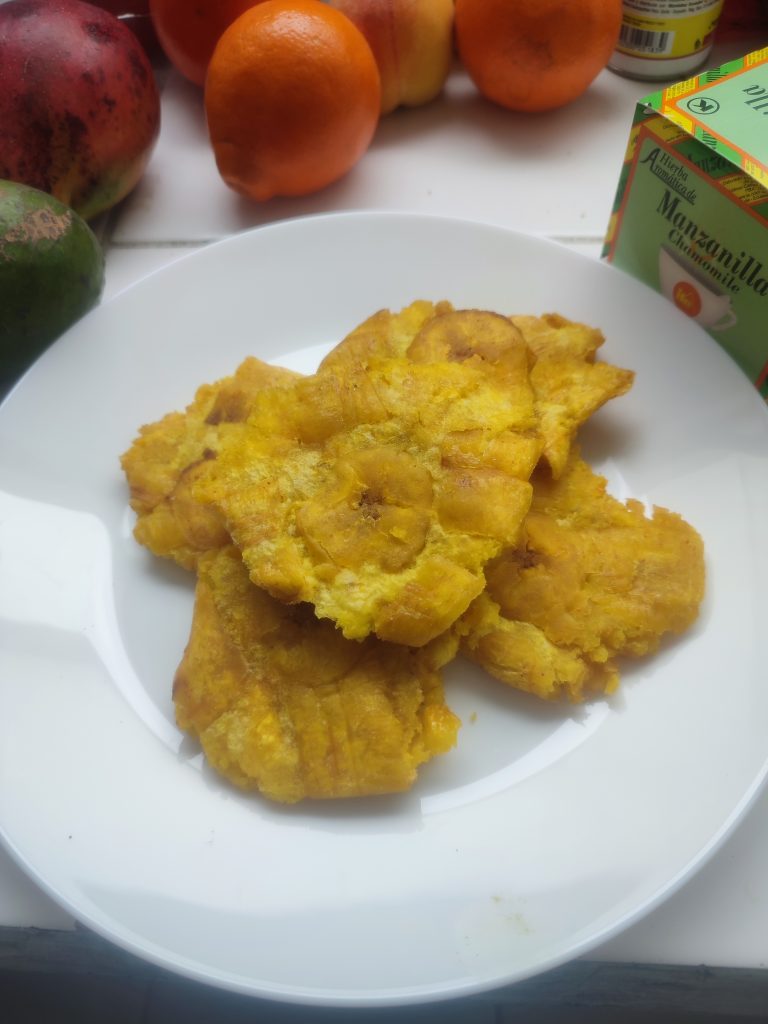
Communicate dietary requirements at the time of booking, in writing, with specific detail. State the dietary requirement, its severity (preference, intolerance, or life-threatening allergy), the specific ingredients to avoid, and any substitutions you require. Confirm in writing that the message has been passed to the vessel’s kitchen. Follow up 2 to 4 weeks before departure to confirm the kitchen received the information and has provisioned accordingly. Do not assume that noting a requirement on a booking form is sufficient on its own.
The most effective communication framework is: name the restriction, name the severity, name the specific ingredients involved, and name what you want instead. “Vegan” alone tells the chef to avoid animal products. “Vegan, strictly no dairy including butter in cooking, no eggs, and I would like protein-rich options at every meal such as beans, lentils, quinoa, or tofu” tells the chef exactly what to provision and how to plan the menu. The more specific the brief, the better the kitchen can respond, and the less room there is for misunderstanding when you arrive.
The follow-up confirmation is the step most travelers skip. Booking operators receive dietary information and pass it to vessels, but the information can get lost in the communication chain between the booking agent, the operator’s office, and the vessel’s kitchen. A direct confirmation 2 to 4 weeks before departure, asking specifically whether the kitchen received the dietary requirement and has provisioned for it, closes this loop. Operators who are used to handling dietary restrictions well will confirm immediately and with specifics. Operators who are less organized may reveal that the information did not make it through, giving you time to reinforce it before embarkation rather than discovering the gap at your first meal.
What Travelers With Dietary Restrictions Say About Galapagos Cruises (Our Data)
From feedback collected through mytrip2ecuador.com and our YouTube audience, here is what travelers with dietary restrictions reported about their Galapagos cruise experience:
| Finding | % Who Named It | Pattern Observed |
|---|---|---|
| Dietary needs well handled when notified at booking | 79% | Among travelers who notified their operator at booking with specific detail, 79 percent rated the dietary accommodation as good to excellent. Among those who raised it on embarkation day, satisfaction dropped to 48 percent. |
| Gluten reaction from hidden soy sauce | 31% | Nearly a third of celiac travelers who did not specifically flag the soy sauce issue experienced a reaction. Of those who explicitly raised it at booking and confirmed wheat-free tamari was available, the incident rate was under 5 percent. |
| Vegan meals were satisfying on luxury vessels | 82% | Among vegan travelers on mid-range to luxury vessels, 82 percent rated the food as satisfying. Among vegan travelers on budget vessels, that figure dropped to 41 percent, with the most common complaint being minimal plant-based protein options. |
| Vegetarian accommodation was seamless | 91% | Vegetarian travelers across all vessel classes reported the highest satisfaction of any dietary group. The natural composition of Ecuadorian cuisine and the wide variety of fresh produce available made vegetarian accommodation straightforward even on budget vessels. |
| Advance follow-up prevented a problem | 44% | Among travelers who followed up 2 to 4 weeks before departure to confirm dietary requirements had reached the kitchen, 44 percent reported that their follow-up revealed the information had not been fully transmitted and allowed them to correct it before boarding. |
Which Cruise Class Handles Dietary Restrictions Best?
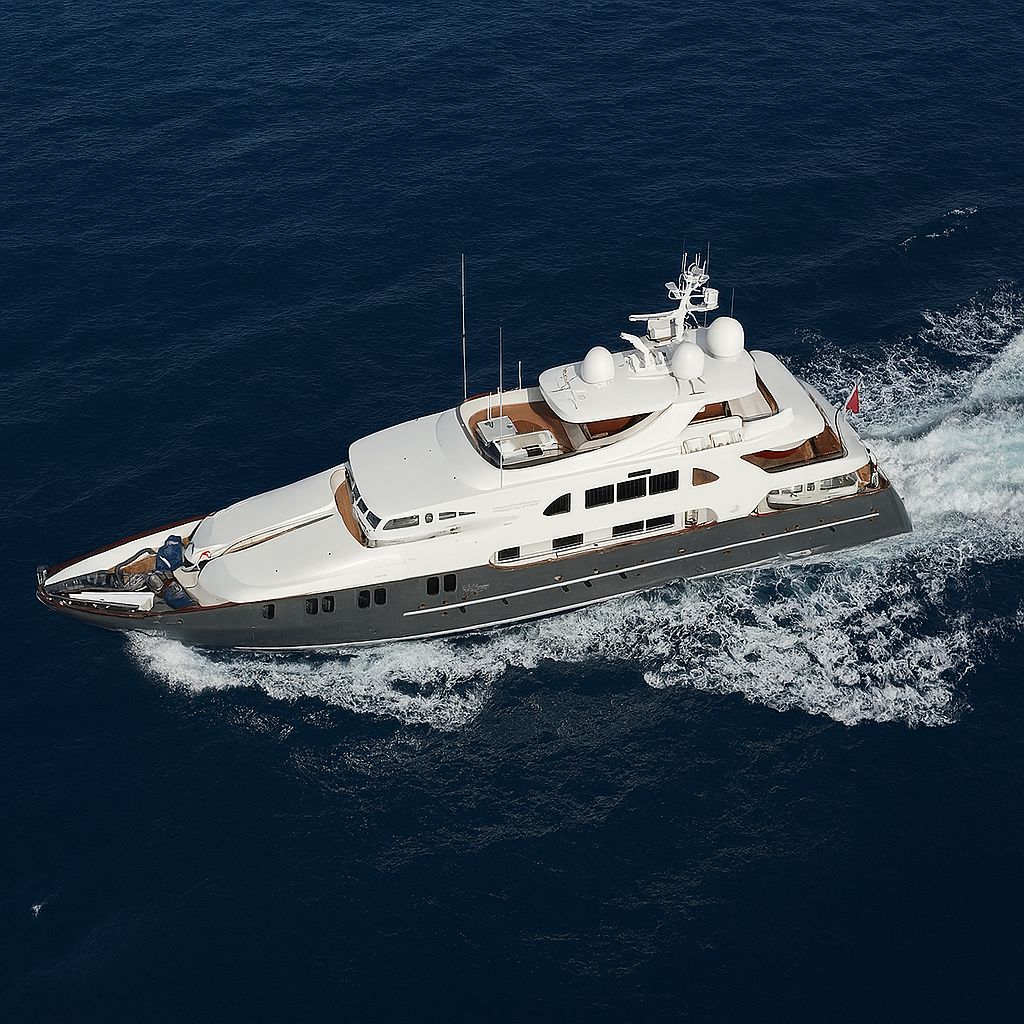
Luxury and first-class vessels handle dietary restrictions most reliably for three structural reasons: trained chefs with experience in specialized diets, provisioning budgets that can accommodate specialty ingredients, and small guest counts that allow the kitchen to know each guest’s requirements personally. Budget vessels handle vegetarian diets adequately but manage vegan, celiac, and severe allergy requirements with more variability. For any diet beyond vegetarian, booking a mid-range or better vessel reduces risk significantly.
| Dietary Need | Budget Vessel | Mid-Range Vessel | Luxury Vessel |
|---|---|---|---|
| Vegetarian | Reliable | Reliable | Excellent – creative plant-forward options alongside the main menu |
| Vegan | Variable – removal of animal products, limited plant-based creativity | Good with advance notice | Excellent – dedicated plant-based preparations including vegan ceviche and creative alternatives |
| Gluten-free (preference) | Manageable – natural menu composition helps | Good with advance notice | Excellent – dedicated gluten-free alternatives including specialty breads |
| Celiac disease | Risky – cross-contamination awareness varies | Good if severity clearly communicated | Good to excellent – proactive communication from kitchen staff reported on top vessels |
| Severe food allergy | Not recommended without direct protocol confirmation | Manageable with direct protocol confirmation before booking | Good – dedicated allergy protocols on well-run vessels |
| Kosher / Halal | Unlikely to be accommodated meaningfully | Possible with significant advance notice | Possible with significant advance notice – better provisioning and chef training |
Suitability ratings are general guidance. Always confirm specific protocols with your operator before booking. Verified September 2026.
The specific operators with the strongest documented dietary accommodation track records are Ecoventura (explicit policy covering gluten-free, vegan, lactose-free, soy-free, nut allergy, and more); Aqua Mare (covers vegetarian, vegan, kosher, gluten-free, and dairy-free with advance notice); and the National Geographic-Lindblad fleet (documented celiac accommodation with proactive meal-by-meal communication on the Endeavour II). Budget operators handle vegetarian reliably but should be confirmed individually for anything beyond that.
Frequently Asked Questions
Do I need to notify the cruise about my dietary restriction in advance?
Yes, at booking and not on arrival. Galapagos cruise vessels provision before departing Guayaquil. The chef cannot source specialist ingredients at sea. Dietary requirements communicated at booking are written into the provisioning order. Requirements communicated on embarkation day may be partially accommodated but as improvisation rather than planning. Follow up 2 to 4 weeks before departure to confirm the kitchen received the information.
Is vegan food available on Galapagos cruises?
Yes on mid-range to luxury vessels with advance notice. Luxury vessels with trained chefs prepare dedicated plant-based dishes including vegan ceviche using hearts of palm, coconut milk stews, and creative vegetable preparations. Budget vessels accommodate veganism primarily by removing animal products from existing dishes rather than creating dedicated plant-based alternatives. Specify that you want satisfying, protein-rich meals, not just the removal of animal products.
Is it safe to eat gluten-free on a Galapagos cruise with celiac disease?
It can be, but requires clear communication of the medical severity at booking. Ecuadorian cuisine is naturally rice and plantain-based, which helps, but the hidden risk is soy sauce containing wheat, which is used in many traditional preparations. Explicitly request that all soy sauce be substituted with wheat-free tamari or omitted entirely. Mid-range to luxury vessels that are informed of celiac disease handle cross-contamination protocols well; budget vessels carry more risk.
Can I get kosher food on a Galapagos cruise?
Kosher-style preparation (separate cookware, no pork or shellfish, no mixing of meat and dairy) can be arranged on most better vessels with 60 days advance notice. True certified Kosher is extremely difficult to guarantee in a remote archipelago where certified ingredients cannot be reliably sourced. Discuss specifically what you require with your operator before booking to understand what is and is not achievable on the vessel you are considering.
Which Galapagos cruise vessels handle dietary restrictions best?
Ecoventura, Aqua Mare, and the National Geographic-Lindblad fleet have the strongest documented dietary accommodation track records. Ecoventura’s policy explicitly covers gluten-free, vegan, lactose-free, soy-free, nut allergy, and more. Aqua Mare covers vegetarian, vegan, kosher, gluten-free, and dairy-free. The Lindblad Endeavour II has documented excellent celiac accommodation with proactive meal-by-meal communication from the kitchen team.
Traveling to the Galapagos With a Dietary Restriction?
We pass dietary requirements directly to the vessel for every traveler we book and follow up before departure to confirm the kitchen received and understands the needs. The right vessel for a traveler with celiac disease, a severe nut allergy, or a vegan diet is not the same vessel for everyone else, and matching the dietary requirement to the right kitchen is part of the service we provide. Cruises To Galapagos Islands is rated 4.9 stars on Google and TripAdvisor. Every conversation is free with no commitment. Fill out the contact form and include your dietary requirements when you inquire – we will factor them into the cruise recommendation we make for you.
Written by Oleg Galeev
Galapagos cruise traveler (3 trips, 2 cruises) · Founder, Cruises To Galapagos Islands
Oleg has documented Ecuador’s food culture across multiple visits on mytrip2ecuador.com and the YouTube channel My Trip to Somewhere.
Cruises To Galapagos Islands is rated 4.9 stars on Google and TripAdvisor.
This article provides general guidance. Travelers with severe allergies or medical dietary requirements should confirm specific protocols directly with their operator before booking.