How to Spot a Galapagos Cruise Scam
Quick Summary
Outright Galapagos cruise fraud (taking your money and disappearing) is rare but documented. The more common problem is misrepresentation: vessels marketed as a higher class than they are, prices that appear to beat the market but exclude significant costs, “7-day” packages that are actually two separate shorter cruises stitched together, and agencies that take your booking fee and fail to secure the actual cruise reservation. The warning signs are consistent: prices significantly below the class floor, payment demanded by wire transfer only, pressure to pay immediately, no verifiable vessel name or GNPD permit number, and no written confirmation that names the specific vessel and departure date. Pay by credit card, verify the vessel by name before paying, and use channels with documented traveler histories.
Galapagos Cruise Scams and Misrepresentation: What to Watch For
| Problem Type | How It Appears | Warning Sign |
|---|---|---|
| No booking made (agency takes fee, fails to reserve) | You pay in full, receive a confirmation, arrive at the airport, and discover no reservation exists on the vessel | Agency is uncontactable after payment. Confirmation lacks vessel name, operator contact, or booking reference. Agency has no verifiable address or reviews. |
| Misrepresented vessel class | “Luxury” or “first-class” vessel priced well below class floor. Vessel turns out to be budget class on arrival. | Price is significantly below the class floor for the claimed tier. No specific vessel name provided. Vague descriptions with no verifiable details. |
| “Stitched” 7-day cruise (two shorter cruises joined) | Sold as a 7 or 8-day cruise. Actually consists of a 4-day and a 3-day cruise on the same vessel, with a passenger changeover day in Puerto Ayora that is sold as a “visit to the Darwin Research Station” | Itinerary shows a mid-cruise port stop with shore time in Puerto Ayora. Ask specifically: is this a single continuous cruise or two separate bookings joined? |
| Hidden costs presented as extras after booking | Headline price is low. After booking, mandatory extras appear: park fee, domestic flights, “port charges,” guide fees, insurance surcharges. | No inclusions list provided with the initial quote. Price is implausibly low for the itinerary length. Resistance to providing a written list of what is and is not included. |
| Social media fake listings | Facebook, Instagram, or TikTok ads for Galapagos cruises at dramatically below-market prices, directing to payment via wire transfer or unusual channels. | Price is 50 percent or more below market for the stated vessel class. Payment required by wire transfer, gift cards, or cryptocurrency. No verifiable business history. |
Verified September 2026. The most common problem in the Galapagos booking market is misrepresentation, not outright fraud. Both are addressed in this article.
Do Galapagos Cruise Scams Actually Exist?
Yes, though the more common problem is misrepresentation than outright fraud. Documented cases include agencies that collected full payment and failed to make the actual vessel reservation (the traveler arrived at the airport and discovered no booking existed), vessels marketed as a higher class than their actual quality, and itineraries described as 7 or 8-day cruises that were in fact two shorter cruises stitched together with a changeover day dressed up as a sightseeing stop. Outright theft is rarer than quality misrepresentation, but both occur and both cost travelers significant money.
The most serious documented Galapagos cruise fraud involves an agency or individual collecting full payment, issuing a confirmation document, and then failing to pass the booking to the actual vessel operator. The traveler receives a voucher that looks legitimate, flies to Ecuador, and discovers on arrival at Baltra or San Cristobal airport that no reservation exists under their name on any vessel. In January 2026, a traveler published a detailed Trustpilot complaint documenting exactly this scenario with a named Ecuadorian agency: full payment made in advance, airport pickup not provided, agency unreachable after payment, and confirmation from multiple operators that no booking had ever been made in the traveler’s name on the stated vessel.
This outcome is relatively rare in absolute terms, but the financial consequences are severe because full Galapagos cruise fares run thousands of dollars and Galapagos bookings are made months in advance. The mitigation is straightforward: verify the vessel booking directly with the operator before the cruise date, pay by credit card rather than wire transfer to preserve dispute rights, and work only with agencies that have verifiable multi-year review histories from Galapagos-specific travelers.
Every booking we make includes a direct confirmation from the vessel operator sent to the traveler, so there is no scenario where you arrive in the Galapagos without a verified reservation. If you want to verify that a booking you have made elsewhere is real, we can tell you how to do that. Fill out this short form and we will give you the specific verification steps for your vessel.
Agencies offer expertise and operators offer the best rate on paper but the reality is more nuanced than that. Here’s a guide on Galapagos cruise booking agencies vs direct so you understand what you’re actually choosing between.
What Are the Most Common Galapagos Cruise Scams?
The four most common problems in the Galapagos cruise booking market, in descending order of frequency: first, vessel class misrepresentation (a budget vessel marketed as mid-range or a mid-range vessel marketed as first-class); second, stitched itineraries (two 3 to 4 day cruises sold as a single 7 to 8-day cruise); third, hidden cost additions discovered after booking; and fourth, agencies that collect payment without actually securing the reservation. The first three are misrepresentation; the fourth is fraud.
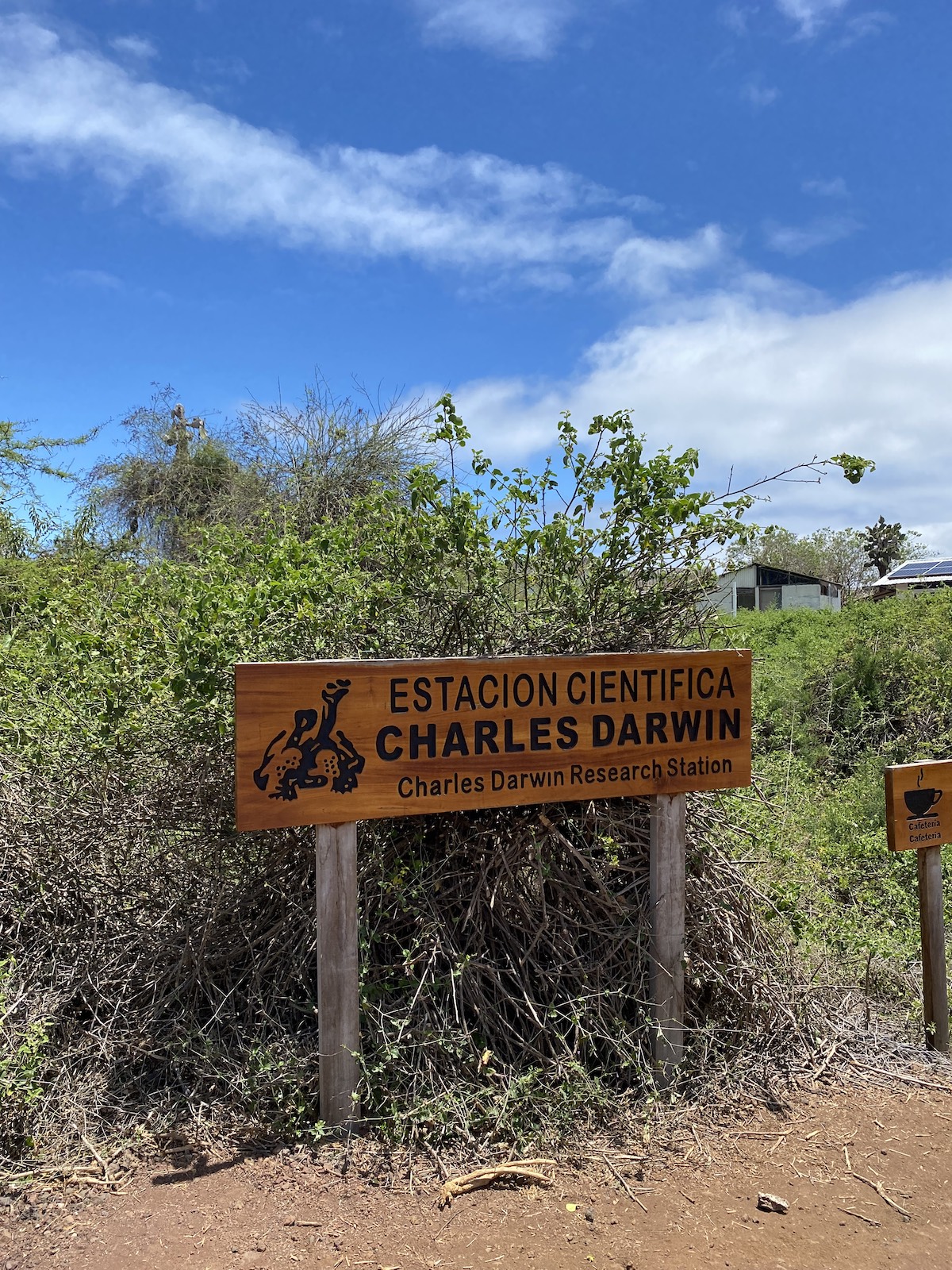
The stitched itinerary problem has a long history in the Galapagos booking market and was flagged in traveler guides as far back as 2005. The TripAdvisor Galapagos forum has a thread from that year titled “fake 1-week cruises,” in which a traveler documented how some operators sold what appeared to be a 7-day cruise by joining a 4-day and a 3-day cruise together, using the passenger changeover day in Puerto Ayora as a “visit to the Darwin Research Station.” The traveler who expected a continuous 7-day expedition and received two shorter cruises with a mid-cruise disruption did not receive what they paid for. The question to ask before booking any cruise longer than 5 days: is this a single continuous itinerary or two separate cruises joined? A legitimate operator will answer directly; an evasive answer is a red flag.
Vessel class misrepresentation is the most financially impactful form of quality deception. The Galapagos fleet’s four class tiers (economy, tourist-superior, first-class, luxury) have meaningfully different quality levels that justify significantly different prices. A vessel that is actually economy or tourist-class but is marketed as first-class or luxury in promotional materials takes payment at a premium price for a below-standard product. The protection against this: verify the vessel name, look it up on TripAdvisor and in the Galapagos forum, check the reviews from actual travelers on that specific vessel, and compare the price to the published range for the claimed class. If the price is significantly below the class floor for what is claimed, that gap is telling you something.
Not sure how to compare Galapagos cruise prices across different operators without ending up with an apples to oranges comparison? Here’s a straight breakdown on how to compare Galapagos cruise prices fairly.
How Do You Spot a Fake or Fraudulent Galapagos Cruise Listing?
The five signals of a potentially fraudulent or misrepresented Galapagos cruise listing are: price that is 30 to 50 percent below the realistic floor for the claimed vessel class; no specific vessel name provided or resistance to providing one; payment demanded exclusively by wire transfer with no credit card option; pressure to pay immediately before you have verified the booking; and no written confirmation that includes the vessel name, GNPD permit number, departure date, and operator contact details.
The price signal is the most reliable first filter. The Galapagos fleet has well-documented class price floors that reflect the genuine cost structure of operating a permitted vessel in the national park with certified naturalist guides, biosecurity compliance, and national park fees. A listing advertising a “luxury 8-day cruise” at $1,500 per person when the luxury class floor is $8,500 per person is not a discount. It is a misrepresented product, a non-existent booking, or something in between. The same applies at every tier: tourist-superior cruises below $2,000 per person for 7 days, first-class cruises below $3,500 per person for 7 days, and any luxury cruise below $6,000 per person for 7 days in 2026 should prompt immediate investigation before any money is paid.
Social media listings deserve specific skepticism. Facebook groups, Instagram ads, and TikTok promotions for Galapagos cruises at dramatically below-market prices are the fastest-growing vector for travel fraud globally. The FTC recorded $274 million in losses from travel-related fraud in 2024, and a major credit card company documented a 28 percent increase in travel fraud during peak season. AI tools now enable scammers to clone legitimate tour operator websites convincingly, making fake URLs and designs harder to distinguish from the real companies. If you discover a Galapagos cruise deal through a social media ad, treat it with the same skepticism you would apply to any unsolicited financial offer. Verify the company independently by searching its name plus “TripAdvisor” or “review” before clicking any link on the ad itself.
If you have found a listing that looks unusually cheap or suspicious and want an independent assessment of whether it is legitimate, we can look at it and give you an honest opinion. We have seen enough of the market to recognize when a price or a claim does not match what the product would realistically cost. Reach out here and share what you have found and we will tell you what we think.
What Are the Red Flags in a Galapagos Cruise Booking Process?
Seven red flags in the Galapagos cruise booking process: the agency will not provide a specific vessel name before payment; the price is significantly below the class floor; payment is demanded by wire transfer only with no credit card option; the agency creates urgency pressure (“this cabin will be gone in 24 hours”); the written confirmation does not include the vessel name, departure date, and operator contact details; the agency is unresponsive to questions about inclusions or cancellation policy; and the agency has no verifiable review history from Galapagos cruise travelers specifically.
The specific vessel name requirement is non-negotiable. A legitimate booking for a Galapagos cruise involves a named vessel that operates under a GNPD permit. Every legitimate vessel in the Galapagos fleet has a name, a verifiable operator, and a TripAdvisor listing where past travelers have reviewed it. If an agency is willing to take your booking deposit without specifying which vessel you are booked on, they have not made a reservation. The confirmation that says “a suitable vessel will be assigned” or “vessel TBD” is not a confirmed Galapagos cruise booking. It is a placeholder at best and a fraud at worst.
The wire transfer pressure is the payment method red flag that most clearly signals risk. Legitimate Galapagos cruise operators accept credit card payment for at least the deposit. Wire transfers are unrecoverable once sent: if the agency fails to deliver and cannot be pursued through legal channels (which often happens with small operators in Ecuador), the money is gone. A 3 to 5 percent credit card surcharge is worth paying for the consumer protection of a chargeable transaction on a booking of this value. Any agency that refuses credit card and insists on wire transfer for a deposit payment on a Galapagos cruise is raising a significant red flag.
We’ve got a full breakdown on Galapagos cruise cancellation policies if you want to know exactly what the typical terms look like, when the penalties kick in, and what to look for when comparing operators.
How Do You Verify a Galapagos Cruise Operator Is Legitimate?
Verify a Galapagos cruise operator using four sources: the vessel’s TripAdvisor listing (search the vessel name specifically, not just the agency name); the Galapagos National Park Directorate’s official operator list (galapagos.gob.ec, which lists all permitted vessels); the Galapagos Conservation Trust’s list of verified sustainable travel partners; and the TripAdvisor Galapagos Islands forum, where experienced travelers and forum volunteers document both reputable and problematic operators by name with specific trip experiences.
The GNPD permit is the most authoritative verification mechanism. Every vessel legally operating cruise itineraries in the Galapagos Marine Reserve must hold a current GNPD permit. A legitimate operator will provide their permit number if asked. The GNPD publishes a list of permitted operators on the official Galapagos National Park website (galapagos.gob.ec). If the vessel name or operator you are being asked to book with does not appear on that list, do not pay anything until the discrepancy is explained and verified. A vessel operating without a valid GNPD permit is not legally allowed to take tourists to visitor sites in the national park.
The TripAdvisor Galapagos Islands forum is the most practically useful verification tool because it contains documented experiences from real travelers over many years. Before paying any deposit to an agency or operator you cannot independently verify through established sources, search the agency name in the TripAdvisor Galapagos forum. The forum’s experienced contributors, who have volunteered thousands of hours helping travelers navigate the market, will know the agency and will have documented opinions. An agency with no forum history is less concerning than one with documented serious complaints; both are worth investigating before payment.
Our own track record is verifiable: 4.9 stars on Google and TripAdvisor from Galapagos cruise travelers specifically. We are also happy to tell you if we know anything about a specific agency or vessel you are considering, whether positive or negative. Send us a message here and ask about any operator or listing you are evaluating.
What Should You Do If You Think You Have Been Scammed?
If you paid by credit card: contact your card issuer immediately to initiate a chargeback dispute, providing all documentation of the booking, payment, and failure to deliver. If you paid by wire transfer: contact the receiving bank immediately to attempt a wire recall (this is difficult but occasionally possible within the first 24 to 72 hours), then file a complaint with Ecuador’s tourism authority (Ministerio de Turismo) and your country’s consumer protection agency. In both cases, document everything in writing and report the fraud to the TripAdvisor Galapagos forum to protect other travelers.
The credit card chargeback is the fastest and most reliable financial recovery mechanism. When you dispute a charge as “service not delivered” with your card issuer, the card network (Visa, Mastercard) initiates a formal dispute process that requires the merchant to provide evidence of delivery. A fraudulent agency that took payment and provided no cruise has no evidence to provide. The dispute is typically resolved in the cardholder’s favor within 30 to 90 days. This is why paying by credit card is the most important single consumer protection step in any Galapagos booking.
Ecuador’s Ministerio de Turismo (ministry.turismo.gob.ec) maintains a tourist complaint process for grievances against licensed tour operators. Filing a complaint creates an official record that can be pursued through Ecuadorian regulatory channels and may result in the operator’s license being reviewed or revoked. This is more useful for protecting future travelers than for recovering your own money, but it is worth doing regardless of the payment method. Document the agency name, registration number if known, all communications, payment records, and the specific failure to deliver.
How Do You Book a Galapagos Cruise Safely?
The six steps to booking a Galapagos cruise safely: get the specific vessel name before paying anything; verify the vessel on TripAdvisor and in the GNPD operator list; pay by credit card rather than wire transfer; receive written confirmation that names the vessel, operator, departure date, and includes a booking reference number verifiable with the operator; buy travel insurance before the final payment date; and keep all booking correspondence and payment records in a single folder accessible during the trip.
| Step | Action | Why It Matters |
|---|---|---|
| 1. Verify the vessel | Search the specific vessel name on TripAdvisor and the GNPD permitted operator list at galapagos.gob.ec before paying any deposit | Confirms the vessel exists, holds a valid permit, and has a verifiable review history from actual travelers |
| 2. Pay by credit card | Use a credit card for the deposit and the full balance. Pay the credit card surcharge (3 to 5 percent) without objecting | Preserves your right to chargeback if the service is not delivered. Wire transfers have no consumer protection |
| 3. Get written confirmation | Require a written booking confirmation that names the vessel, operator, departure date, cabin type, and booking reference number | The booking reference lets you verify the reservation directly with the vessel operator before the cruise date |
| 4. Verify directly with operator | Two to four weeks before departure, contact the vessel operator directly using the contact details on their official website (not from the agency’s confirmation) and confirm your reservation | Catches agency failures to transmit bookings with enough time to act before departure |
| 5. Buy travel insurance | Purchase comprehensive travel insurance covering trip cancellation, medical evacuation, and travel disruption at the same time as the deposit | Covers financial loss from covered cancellation events and medical emergencies in a remote location |
| 6. Document everything | Keep all booking emails, payment receipts, confirmations, and correspondence in a single folder. Bring printed copies to the airport | Essential for any dispute resolution, whether with the agency, the credit card issuer, or Ecuadorian tourism authorities |
Verified September 2026.
What Travelers Report About Booking Problems (Our Data)
From feedback collected through mytrip2ecuador.com and our YouTube audience:
| Finding | % Named It | Pattern |
|---|---|---|
| Vessel quality below what was described | 31% | Nearly a third of travelers reported the vessel was of lower quality than the booking materials described. Class misrepresentation was the most common specific complaint, particularly in budget and mid-range bookings made through third-party aggregators. |
| Hidden costs discovered after booking | 54% | More than half reported unexpected costs appearing after the initial booking, most commonly the park fee ($200) and domestic flights ($350 to $500) that were not included in the headline price. This is not fraud but poor disclosure practice. |
| Credit card payment enabled successful dispute | 100% of those who disputed | Every traveler in the feedback pool who paid by credit card and initiated a chargeback dispute for non-delivery reported a successful resolution. No traveler who paid by wire transfer and needed to recover funds reported success. |
| Pre-departure operator verification prevented a problem | 8% | A small but meaningful group of travelers discovered through a pre-departure direct operator verification (2 to 4 weeks before departure) that their booking had not been properly transmitted by the agency. All were able to resolve the issue before traveling because they checked in time. |
Frequently Asked Questions
Are Galapagos cruise scams common?
Outright fraud (collecting payment and providing nothing) is relatively rare but documented. Misrepresentation (vessel class below what was marketed, itineraries described inaccurately, hidden costs not disclosed) is significantly more common. The Galapagos booking market has some unreliable operators alongside many legitimate ones. Verification steps before payment are the primary protection.
What is the “stitched cruise” scam in the Galapagos?
Some operators sell what appears to be a 7 or 8-day continuous cruise that is actually two separate shorter cruises joined at a passenger changeover point, typically Puerto Ayora on Santa Cruz. The changeover day is sometimes marketed as a “Darwin Research Station visit.” Travelers expecting a continuous voyage receive a disrupted itinerary with a changeover. Ask specifically before booking: is this a single continuous cruise or two separate bookings joined together?
How do I verify a Galapagos cruise operator is legitimate?
Search the specific vessel name (not just the agency name) on TripAdvisor. Check the GNPD permitted operator list at galapagos.gob.ec. Search the agency name in the TripAdvisor Galapagos Islands forum. Ask the agency for the GNPD permit number for the vessel. Two to four weeks before departure, contact the vessel operator directly using their official website contact details to confirm your reservation exists.
What should I do if a Galapagos cruise agency takes my money and disappears?
If you paid by credit card: initiate a chargeback dispute immediately with your card issuer for “service not delivered.” If you paid by wire transfer: contact the receiving bank immediately to attempt a wire recall (possible within 24 to 72 hours in some cases), then file a complaint with Ecuador’s Ministerio de Turismo and your country’s consumer protection agency. Document everything and report the fraud to the TripAdvisor Galapagos forum.
Is it safe to book a Galapagos cruise from a website I found through a social media ad?
Social media advertising is a growing vector for travel fraud. Treat any Galapagos cruise listing found through a social media ad with significant skepticism, particularly if the price is dramatically below market or payment is demanded by wire transfer. Verify the company independently by searching the business name plus “review” or “TripAdvisor” before clicking any link in the ad. Never pay before verifying through independent channels.
Want to Book a Galapagos Cruise With Full Confidence?
Every booking we make includes direct operator confirmation sent to the traveler, a named vessel with a verifiable GNPD permit, a written inclusions list, and plain-language cancellation terms. We have been placing travelers on Galapagos cruises with a documented 4.9-star review history. Every conversation is free with no commitment. Fill out the contact form and we will give you a verifiable, transparent booking process from start to cruise.
Written by Oleg Galeev
Galapagos cruise traveler (3 trips, 2 cruises) · Founder, Cruises To Galapagos Islands
Oleg has documented consumer protection issues in the Galapagos booking market on mytrip2ecuador.com and the YouTube channel My Trip to Somewhere.
Cruises To Galapagos Islands is rated 4.9 stars on Google and TripAdvisor.