
Quick Summary
WiFi on Galapagos cruises has improved dramatically since 2023 when most operators upgraded to Starlink Maritime. As of 2026, roughly 90 percent of vessels in the Galapagos fleet have Starlink. On those vessels, messaging, email, social media, and video calls work reliably. Streaming video is possible but inconsistent. Budget and some mid-range boats still use older VSAT satellite systems where only messaging and email are practical. WiFi is included at no extra charge on most mid-range to luxury vessels and on all Celebrity Flora sailings. Budget vessels sometimes charge extra. The Galapagos remains a place where deliberate disconnection is worth considering alongside how well you can stay connected.
Galapagos Cruise WiFi: Quick Reference by Vessel Class
| Vessel Class | Typical WiFi System | Included or Extra Cost? | What Works |
|---|---|---|---|
| Luxury (Celebrity Flora, Silver Origin, Ecoventura) | Starlink Maritime | Included in cruise fare | Messaging, email, social media, video calls. Streaming possible but variable. |
| First-class (HX Santa Cruz II, Ocean Spray, Seaman Journey) | Starlink Maritime (most vessels) | Included on most; confirm before booking | Messaging, email, social media reliably. Video calls generally work. Streaming inconsistent. |
| Mid-range (tourist superior) | Starlink or VSAT depending on vessel | Often included; some charge extra | Varies by system. Starlink vessels: messaging and social reliably. VSAT vessels: messaging and email only. |
| Budget / economy | Often VSAT or no onboard WiFi | Sometimes charged extra; sometimes not available | Basic messaging and email when available. Social media slow. Streaming not practical. |
WiFi systems and policies change frequently. Always confirm with your specific vessel before booking. Verified September 2026.
Do Galapagos Cruise Ships Have WiFi?
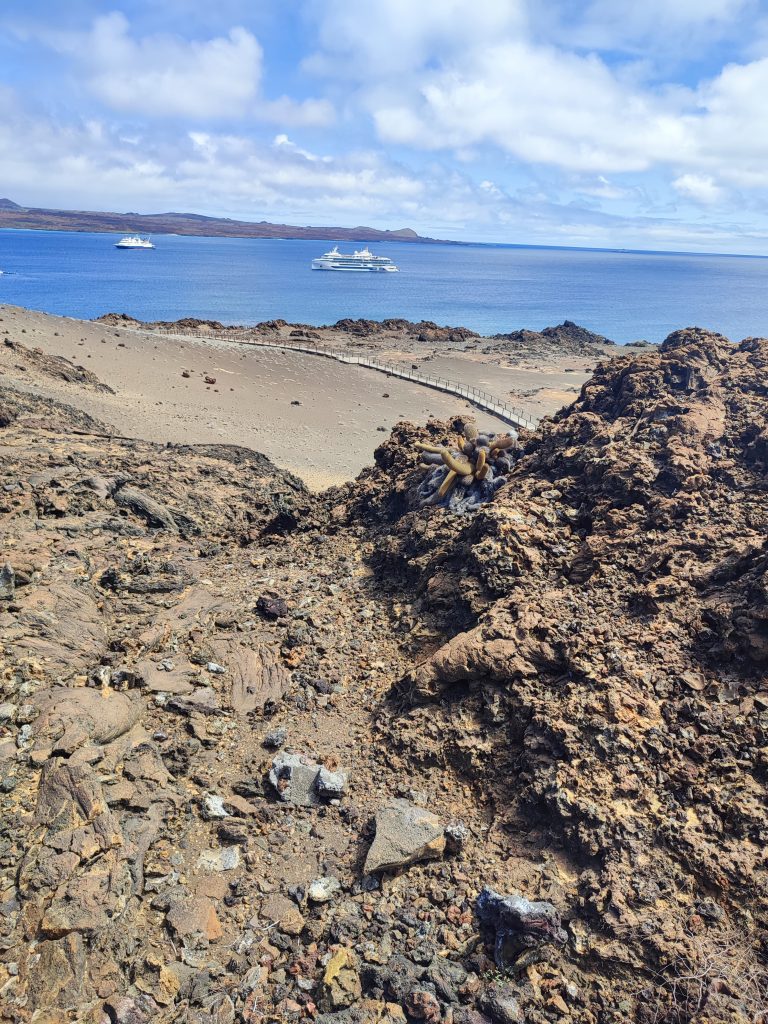
Yes, most Galapagos cruise ships have WiFi in 2026. The majority of the fleet upgraded to Starlink Maritime between 2023 and 2024, which provides genuinely usable satellite internet across the archipelago. Roughly 90 percent of vessels now have Starlink. The remaining 10 percent use older VSAT satellite systems that offer basic connectivity at best. A small number of budget vessels have no reliable onboard WiFi at all. The coverage and quality vary by vessel, not by location in the archipelago.
The connectivity picture changed significantly with Starlink. Before 2023, the honest answer to “is there WiFi on a Galapagos cruise?” was “barely.” Older VSAT satellite systems in a remote island chain 600 miles offshore produced connections that could handle occasional email but little else. Social media was frustratingly slow. Video calls were essentially impossible. Many vessels charged premium rates for a service that delivered poor performance.
Starlink Maritime changed the baseline. The low-Earth orbit satellite constellation provides lower latency and higher bandwidth than traditional geostationary systems. Travelers on Ecoventura’s Starlink-equipped vessels report “seamless texting, emailing, and video calls, despite being in an extremely remote location.” One operator source confirmed that about 90 percent of the Galapagos cruise fleet has now upgraded to Starlink, with the remaining 10 percent still on older VSAT systems. The 10 percent are primarily budget and older mid-range vessels.
Cell coverage is a separate question from WiFi and the answer is less optimistic. There is no cell signal over the open ocean between islands. In and around port towns (Puerto Ayora on Santa Cruz, Puerto Baquerizo Moreno on San Cristobal, Puerto Villamil on Isabela), local cell coverage is available. A local Ecuadorian SIM card or an international data eSIM can provide usable connectivity in these port areas that supplements whatever the vessel’s WiFi provides. Between port stops and during overnight crossings, your phone’s cell service will show no signal regardless of carrier.
WiFi quality and policy vary significantly between specific vessels, even within the same cruise class. If staying connected during your Galapagos cruise is a priority, whether for work obligations, family communication, or photo sharing, we can tell you exactly what to expect on any vessel we recommend. Fill out this short form and we will include the specific WiFi policy alongside your cruise quote.
How Fast and Reliable Is WiFi on a Galapagos Cruise?
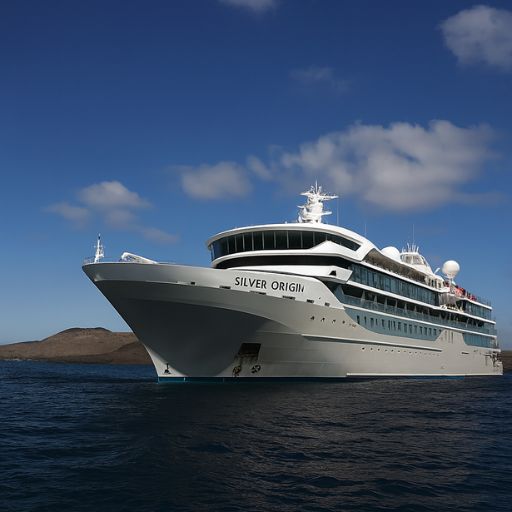
On Starlink-equipped vessels, WiFi speeds typically run 10 to 50 Mbps download in good conditions, sufficient for messaging, email, social media, video calls, and light web browsing. Speeds slow during peak usage (when many guests are connected simultaneously) and when the vessel is under a dense canopy of cloud or navigating specific channel positions where satellite geometry is less favorable. Streaming video is possible but inconsistent. Expect a reliable mid-speed connection rather than home broadband performance.
The realistic expectation for Starlink on a Galapagos cruise is somewhere between a decent hotel connection and a city coffee shop: adequate for everything except heavy data tasks, but not the 200 Mbps you might get at home. Messaging apps send and receive instantly. Email loads without delay. Posting to Instagram or uploading a photo to WhatsApp takes a few seconds, which is normal. A Zoom call works well in calm conditions with good satellite geometry. A Netflix stream at 1080p is possible but might buffer, and most vessels do not encourage streaming because one guest running video continuously can slow the connection for everyone else on board.
Vessel-level bandwidth management is an important practical detail. Many Galapagos cruise operators using Starlink limit bandwidth per device or per user to keep the overall connection usable for the whole vessel rather than letting one person’s download activity degrade the service for others. Some operators implement time-based access limits (a set number of connection hours per day per guest) rather than speed limits. Understanding your vessel’s specific WiFi policy before you board prevents frustration on day one.
The VSAT reality on the 10 percent of vessels still using older systems is genuinely different. On VSAT, messaging works, email functions, and very light web browsing is possible. Social media is slow and posting images is frustrating. Video calls are not practical. Streaming is not feasible. If you are booking a vessel with VSAT rather than Starlink and WiFi quality matters to you, the honest advice is either to lower your expectations or to choose a vessel that has completed the Starlink upgrade.
We know which specific vessels in the Galapagos fleet have Starlink and which are still on older systems, and we update this information regularly as operators complete upgrades. If WiFi reliability is a booking criterion for you, it is a detail we factor into our recommendations from the start. Reach out here and we will confirm the connectivity situation on any vessel you are considering.
Which Galapagos Cruise Ships Have the Best WiFi?
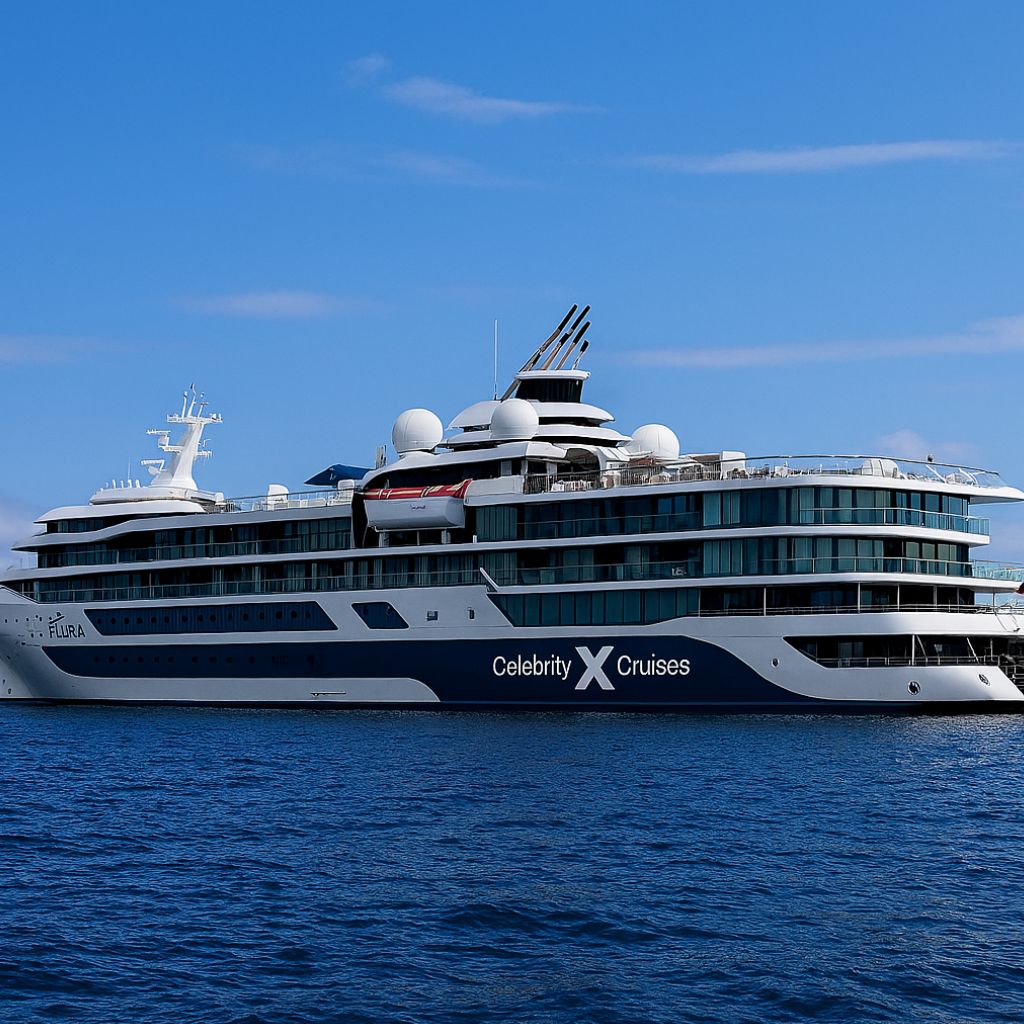
The best WiFi on Galapagos cruises in 2026 is on vessels with Starlink Maritime and generous per-device policies. Celebrity Flora (unlimited WiFi included), Silver Origin (complimentary standard access for two devices), Ecoventura’s fleet (Starlink included), and Aqua Mare (WiFi included) are consistently cited for strong connectivity. Lindblad-National Geographic vessels have Starlink with tiered internet packages. Budget vessels and some mid-range boats on older VSAT systems provide limited connectivity.
| Vessel | WiFi System | Cost | Notes |
|---|---|---|---|
| Celebrity Flora | Starlink Maritime | Included (unlimited) | Complimentary unlimited WiFi across all cabins and common areas. Consistently rated among the best connectivity in the fleet. |
| Silver Origin (Silversea) | Starlink Maritime | Included (standard, 2 devices) | All guests receive complimentary standard WiFi on up to 2 devices. Premium upgrade available. |
| Ecoventura (Origin, Theory, Evolve) | Starlink Maritime | Included | Travel writer confirmed: “solid throughout, seamless texting, emailing, and video calls.” Included in cruise rate. |
| National Geographic-Lindblad fleet | Starlink Maritime | Tiered packages (some included by cabin class) | Three internet tiers available. Higher cabin classes include WiFi. Confirm your specific package before departure. |
| Aqua Mare (Aqua Expeditions) | Starlink Maritime | Included in cruise rate | WiFi listed as a standard inclusion alongside meals and excursions. |
| Budget and older mid-range vessels | VSAT or no WiFi | Sometimes extra charge; sometimes not available | VSAT vessels: messaging and email only. Some budget vessels have no reliable onboard WiFi at all. |
WiFi policies and systems change frequently. Verify directly with your operator before booking. Verified September 2026.
What Does WiFi Cost on a Galapagos Cruise?
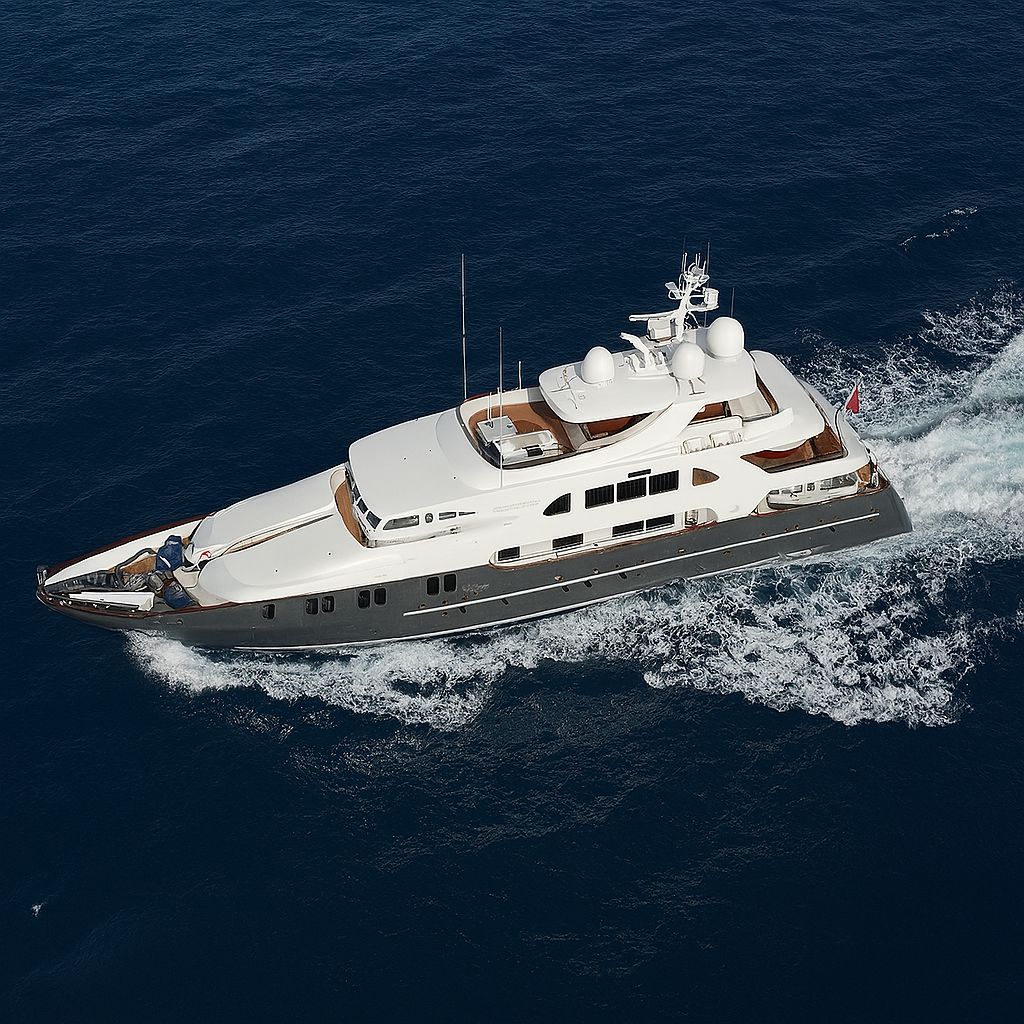
On most mid-range to luxury Galapagos cruise vessels with Starlink, WiFi is included in the cruise rate at no extra charge. Celebrity Flora, Silver Origin, Ecoventura, and Aqua Mare all include WiFi. Some first-class vessels include it for certain cabin categories and charge extra for others. Budget vessels that have any WiFi at all typically charge per day or per session. Confirm the specific policy with your operator, as this is one of the details that changes most frequently across the fleet.
The included-vs-extra pattern on Galapagos cruises generally follows the same logic as other luxury cruise lines: higher cruise class means WiFi included, lower cruise class means potential extra charges. The specific cost on vessels where WiFi is not included varies significantly. Some operators charge a modest daily rate (around $10 to $20 per device per day) for a functional Starlink connection. Others charge significantly more for a VSAT system that delivers mediocre performance. The price-to-performance relationship on WiFi in the Galapagos is less predictable than the price-to-comfort relationship on the rest of the experience.
For travelers who need reliable connectivity for work, the pragmatic approach is to prioritize a vessel where WiFi is genuinely included and confirmed as Starlink rather than assuming that a WiFi-available label means usable WiFi. The distinction between “this vessel has WiFi” (technically true for most modern vessels) and “this vessel has reliable, fast WiFi that is included in what you have paid” (true for a specific subset) is the one that matters for planning.
What Can You Actually Do Online on a Galapagos Cruise?
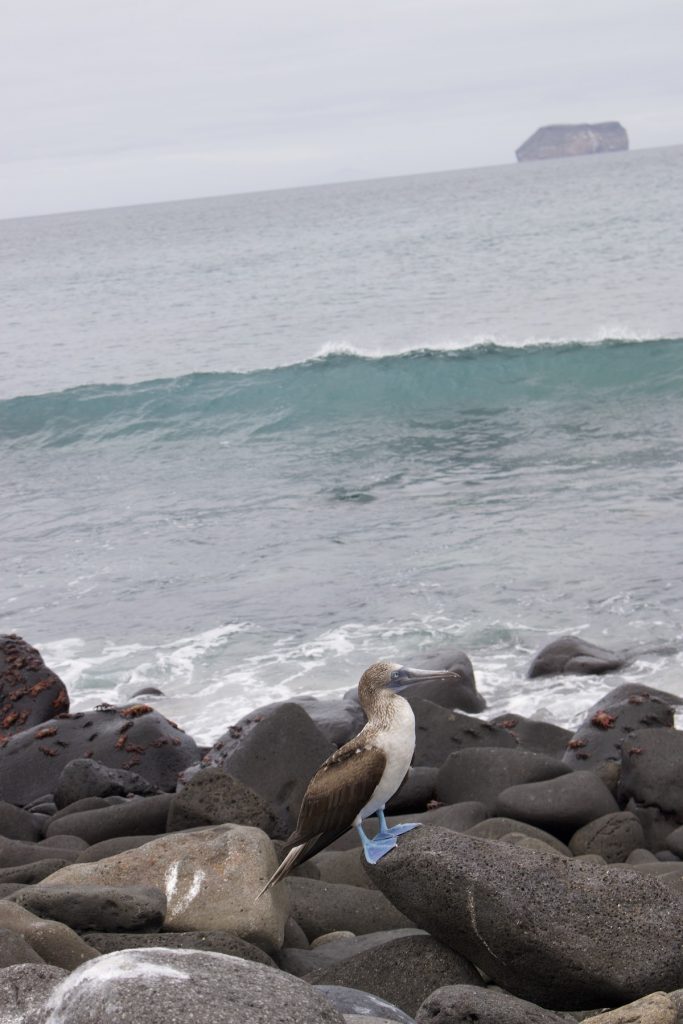
On a Starlink-equipped Galapagos cruise vessel, you can reliably: send and receive text and voice messages (WhatsApp, iMessage, Signal), make video calls (Zoom, FaceTime, WhatsApp Video), post photos to social media, check and respond to email, browse websites, and use navigation or weather apps. Streaming services (Netflix, Spotify, YouTube) are possible but inconsistent and bandwidth-heavy. Downloading large files or syncing cloud drives is slow and should be avoided during peak usage hours.
The practical use case that most Galapagos cruise travelers actually need is this: communicate with family to share photos and confirm you are safe and having an extraordinary time, and check email once a day to manage anything urgent. Starlink on a Galapagos cruise handles this completely. WhatsApp photo sharing, FaceTime calls home, Instagram posts of the morning’s blue-footed booby encounter, and a morning email review are all practical and functional on a vessel with Starlink.
The work-from-ship scenario requires a more honest assessment. Light work tasks, replying to emails, attending one or two video meetings per day, and reviewing documents in cloud storage work adequately on Starlink-equipped vessels in good conditions. The caveats are real: the connection can slow during peak passenger usage in the evenings, satellite geometry can degrade performance in specific channel positions, and some meeting-heavy workloads are simply not compatible with the active daily schedule of a Galapagos cruise. Travelers who have genuine work commitments should plan for connectivity as a tool for staying minimally in contact rather than as a full remote-work infrastructure.
For travelers who need to balance a Galapagos cruise with ongoing work or family communication obligations, the vessel choice matters specifically for its WiFi capability. Some vessels handle this better than others, and some itinerary routes have more port-town time where cell coverage supplements the onboard WiFi. We can build a cruise recommendation around your connectivity needs as part of the overall planning conversation. Send us a message here and we will find a cruise that fits your schedule and your connectivity requirements.
How Do You Stay Connected Without WiFi on a Galapagos Cruise?
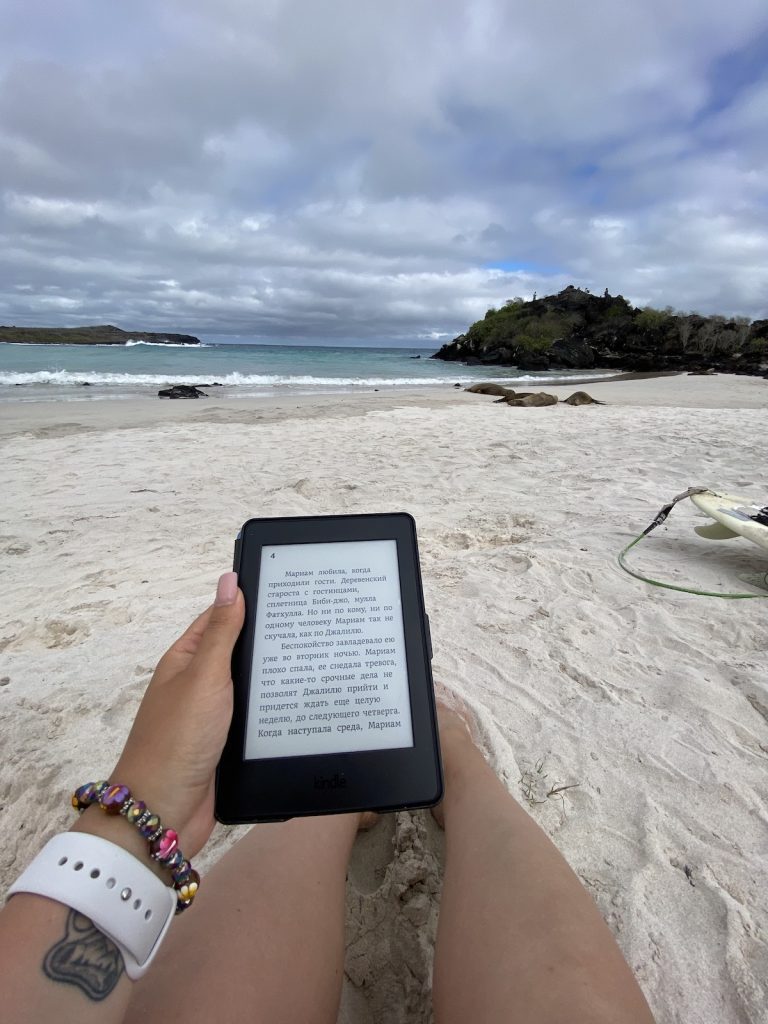
If your vessel has limited or no WiFi, the best connectivity options are: an Ecuadorian local SIM card with a data package (provides usable cell signal in and around port towns), an international data eSIM from providers like Airalo or Google Fi (same benefit without the physical SIM), or tethering from a partner’s phone with cell coverage. All three give you connectivity during port stops but no coverage at sea between islands.
An Ecuadorian SIM card is the most reliable cell connectivity option for travelers who want to be reachable while in port towns. Claro and Movistar are the primary carriers. A SIM card with a data package can be purchased at the Quito or Guayaquil airport before the domestic flight, or in phone shops in Puerto Ayora or Puerto Baquerizo Moreno. The data package cost is modest, the coverage in port towns is functional, and it allows you to use your phone normally whenever the vessel is anchored near an inhabited island.
International eSIM providers including Airalo, Nomad, and Google Fi offer Ecuador data plans that load onto your phone without requiring a physical SIM swap. These work on the same local network infrastructure as a physical SIM and deliver the same port-town coverage without the step of finding a SIM card shop. If you have a relatively recent unlocked smartphone with eSIM capability, this is the lowest-friction option for supplementary connectivity.
The practical pattern that works well: use the vessel’s Starlink WiFi as your primary internet throughout the cruise, and use cell coverage during port stops if you need to make phone calls or use carrier-dependent services that do not work well over satellite WiFi. In the open ocean between islands, accept that you are offline and treat it accordingly.
Want to know which Ecuadorian gateway city gives you the best connection to the Galapagos without an unnecessary overnight? Our guide on flying into Quito or Guayaquil walks you through the options.
Should You Try to Stay Connected on a Galapagos Cruise?
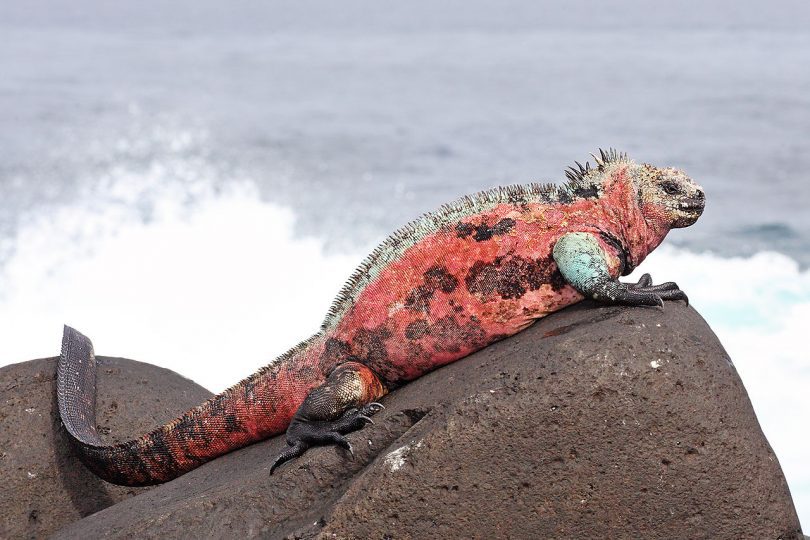
The Galapagos is one of the few remaining travel destinations where the case for deliberate disconnection is genuinely compelling. The schedule is full from 6 a.m. to 9:30 p.m. with wildlife encounters, guided excursions, snorkeling sessions, and naturalist briefings that demand your full attention. The things you would otherwise check on your phone are objectively less interesting than what is happening three feet from you. Most travelers who commit to minimal connectivity for the week return describing it as one of the most present and focused experiences of their lives.
This is worth saying plainly because the WiFi question is often asked as a proxy for a deeper concern: will I feel cut off? The honest answer is that the Galapagos cruise schedule does not leave much time or attention for online activity. You wake before 6:30 a.m. for the morning excursion. You return, eat, and prepare for the afternoon session. The afternoon visit runs until 5 p.m. You shower, have drinks on deck, attend the naturalist briefing, eat dinner. By 9:30 p.m. you are in bed without effort. The windows for sustained online activity are narrow, and the competition for your attention, a sea lion pup sleeping on the deck towel you left out, a waved albatross performing its courtship display three meters away, is not fair competition for a social media feed.
The travelers who come home most satisfied from a Galapagos cruise are, consistently, those who engaged with the experience rather than documented it for an audience. The photos you take, the notes you jot, the conversations with your naturalist guide about why the marine iguana’s coloration changes in breeding season, those are the things that remain. The Instagram story that required a reliable WiFi signal disappears in 24 hours by design.
What Travelers Say About WiFi on Their Galapagos Cruise (Our Data)
From feedback collected through mytrip2ecuador.com and our YouTube audience, here is what travelers reported about connectivity on their Galapagos cruise:
| Finding | % Who Named It | Pattern Observed |
|---|---|---|
| Used WiFi less than expected | 71% | More than two thirds of travelers reported using the onboard WiFi significantly less than they expected before the trip. The most common reason: the schedule was too full and the wildlife was too interesting. |
| Starlink connection was adequate for messaging | 84% | Among travelers on Starlink-equipped vessels, 84 percent rated the connection as adequate for their actual usage needs (messaging, email, social media, occasional video calls). |
| VSAT connectivity frustrated expectations | 67% | Among travelers on older VSAT vessels, two thirds rated the connection as inadequate for their needs. Most had not confirmed the WiFi system type before booking. |
| Described trip as a “digital detox” | 58% | More than half of travelers described the experience of limited connectivity positively, using the phrase “digital detox” or equivalent. Almost none described it as a hardship in retrospect, regardless of how concerned they had been before departure. |
| Did not confirm WiFi system before booking | 44% | Almost half of travelers who had connectivity concerns did not specifically ask about the vessel’s WiFi system type (Starlink vs VSAT) or policy before booking. Among those who did, satisfaction with the connectivity matched their pre-trip expectations almost universally. |
Frequently Asked Questions
Does every Galapagos cruise ship have WiFi?
Most, but not all. As of 2026, roughly 90 percent of Galapagos cruise vessels have upgraded to Starlink Maritime, which provides reliable satellite internet. The remaining 10 percent use older VSAT systems with limited capability, and a small number of budget vessels have no reliable onboard WiFi. Always confirm the specific WiFi system with your operator before booking.
Is WiFi free on Galapagos cruises?
On most mid-range to luxury vessels, WiFi is included in the cruise rate at no extra charge. Celebrity Flora, Silver Origin, Ecoventura, and Aqua Mare all include WiFi. Some vessels charge per day or per session. Budget vessels with any WiFi at all sometimes charge extra and sometimes include basic access. Confirm the policy before booking.
Can I work remotely from a Galapagos cruise?
Light work tasks (email, occasional video meetings, cloud document review) are feasible on Starlink-equipped vessels in good conditions. Heavy work demands, large file transfers, or meeting-intensive days are not reliably supported. The cruise schedule also leaves limited time for sustained work. Treat onboard WiFi as a tool for staying minimally in contact, not as a full remote-work infrastructure.
Will my phone work in the Galapagos?
Cell coverage exists in and around port towns (Puerto Ayora, Puerto Baquerizo Moreno, Puerto Villamil) but is absent at sea between islands. A local Ecuadorian SIM card or an international eSIM provides data connectivity during port stops. There is no cell signal during overnight crossings or when the vessel is anchored at uninhabited visitor sites.
What is the difference between Starlink and VSAT on a Galapagos cruise?
Starlink Maritime uses SpaceX’s low-Earth orbit satellite constellation, providing lower latency and higher bandwidth than traditional VSAT geostationary systems. On Starlink, messaging, video calls, social media, and light web use are all practical. On VSAT, only messaging and email are consistently usable. Streaming is not practical on either, but much less so on VSAT. Starlink is the correct system to look for when WiFi quality matters.
Need to Know the WiFi Situation Before You Book?
WiFi policies, systems, and inclusion status change frequently across the Galapagos cruise fleet as operators upgrade and revise their offerings. We track these details for every vessel we recommend and include the specific connectivity information in the pre-booking documentation we provide. Cruises To Galapagos Islands is rated 4.9 stars on Google and TripAdvisor. Every conversation is free and comes with no commitment. Fill out the contact form and we will confirm the exact WiFi situation on any cruise we recommend for you.
Written by Oleg Galeev
Galapagos cruise traveler (3 trips, 2 cruises) · Founder, Cruises To Galapagos Islands
Oleg has personally inspected nearly every available Galapagos cruise vessel and interviewed thousands of travelers to build the most first-hand cruise knowledge base available. He also runs the Ecuador travel blog mytrip2ecuador.com and the YouTube channel My Trip to Somewhere.
Cruises To Galapagos Islands is rated 4.9 stars on Google and TripAdvisor.
All pricing and connectivity information in this article is verified as of the publish date. WiFi policies and costs change frequently – confirm with your operator before booking.