
Quick Summary
Galapagos cruise prices on quality vessels are largely fixed and not meaningfully negotiable in the traditional sense. The pricing model resembles airline tickets more than hotel rates: operators publish tariffs, agents sell at those tariffs, and individual passengers do not haggle the price down. What looks like negotiation in the Galapagos market is actually accessing a discount that already exists (shoulder season pricing, last-minute inventory, promotional rates) rather than creating a new one through conversation. The most effective ways to get a lower price are choosing the right season, booking at the right time, finding the right operator promotion, or using a specialist who has access to inventory and relationships that individual travelers do not. Asking an operator to match a competitor’s price on the same vessel can work. Asking for a discount simply because you want one does not.
Galapagos Cruise Pricing: What Is Fixed and What Has Room to Move
| Pricing Element | Fixed or Flexible? | Notes |
|---|---|---|
| Published cruise fare (luxury and first-class vessels) | Fixed | Celebrity Flora, Ecoventura, Silver Origin, HX Santa Cruz II publish tariffs that agents are required to honor. No individual negotiation below published rate. Access discounts only through official promotions. |
| Published cruise fare (mid-range vessels) | Largely fixed with seasonal flexibility | Published rates are set by the operator. Meaningful discounts appear only when the operator authorizes them for last-minute or shoulder-season inventory. Individual negotiation rarely moves the price on a departure that is selling well. |
| Last-minute or unfilled cabin pricing | Flexible by operator authorization | When an operator authorizes a discount on specific dates, the discounted price is set by the operator and offered through agents. It is a published discount, not a haggled one. Asking for a larger discount than the operator has authorized does not typically work. |
| Price matching (same vessel, same dates, lower price elsewhere) | Often possible | If you have a documented lower price for the same vessel and cabin on the same dates from a legitimate channel, many operators or specialists will match it. This is not negotiation; it is arbitrage correction. |
| Group bookings (8 or more passengers) | Genuinely negotiable on many vessels | Booking multiple cabins on the same departure creates real leverage. Operators value the certainty of a group booking and will offer 10 to 20 percent discounts, cabin upgrades, or added inclusions to secure it. |
| Galapagos National Park fee ($200) | Fixed, non-negotiable | Set by the Ecuadorian government. No operator can discount it or waive it. $200 per adult, cash on arrival. |
| Inclusions (add or remove items) | Sometimes negotiable on mid-range vessels | Asking to include domestic flights, a Quito hotel night, or airport transfers in the package price is more productive than asking for a cash discount. Operators are sometimes willing to bundle inclusions that cost them less than the cash discount you might request. |
Verified September 2026. Pricing structures vary by operator. Always confirm current policy before attempting any negotiation.
Can You Negotiate the Price of a Galapagos Cruise?
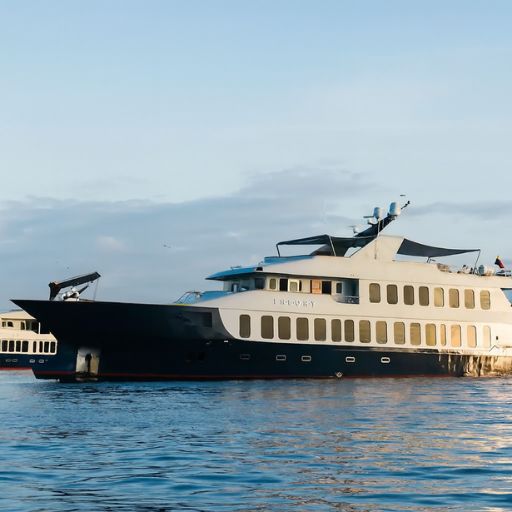
In the traditional sense, no. Galapagos cruise prices on quality vessels are set by operators and published as tariffs that agents are expected to honor. There is no bazaar dynamic where asking for a lower price produces one. What does exist is a structured discount system: operators authorize specific discounts for specific conditions (shoulder season, last-minute inventory, group bookings, promotional periods) and make these available through agents and direct booking channels. Getting a lower price means accessing a discount that already exists, not creating one through negotiation.
The pricing architecture of the Galapagos cruise market is closer to the airline industry than to the hotel industry. Airline fares are set algorithmically and published; you cannot call the airline and haggle your ticket price down. Hotels, by contrast, have real-time yield management and front-desk discretion that creates genuine room for negotiation, particularly at check-in when empty rooms cost the hotel money. Galapagos cruise operators behave more like airlines: the fare for a specific cabin on a specific departure is published, agents are required to sell at that fare, and operators enforce tariff compliance to protect the agency relationships that help them fill vessels. An individual traveler who contacts Ecoventura and asks for 10 percent off the published rate on a June departure will be told, politely, that the rate is the rate.
The exception that proves the rule is the group booking. When a family of twelve, a corporate group, or a wedding party wants to book multiple cabins on the same vessel for the same departure, the operator’s economics change meaningfully. Filling six cabins at once eliminates the marketing cost of finding six separate individual buyers. That certainty has genuine value, and operators will offer real discounts, upgrades, or inclusions to secure a group booking. This is the closest thing to genuine price negotiation in the Galapagos cruise market, and it works because the traveler is offering something the operator values.
If you are booking as a group of six or more passengers, the pricing conversation is different than for individual bookings. We negotiate group rates on behalf of the travelers we place and have access to group pricing structures that are not published on operator websites. Fill out this short form and let us know your group size alongside your travel dates so we can explore what group pricing is available for your situation.
Which Galapagos Cruise Prices Are Fixed and Which Have Room to Move?
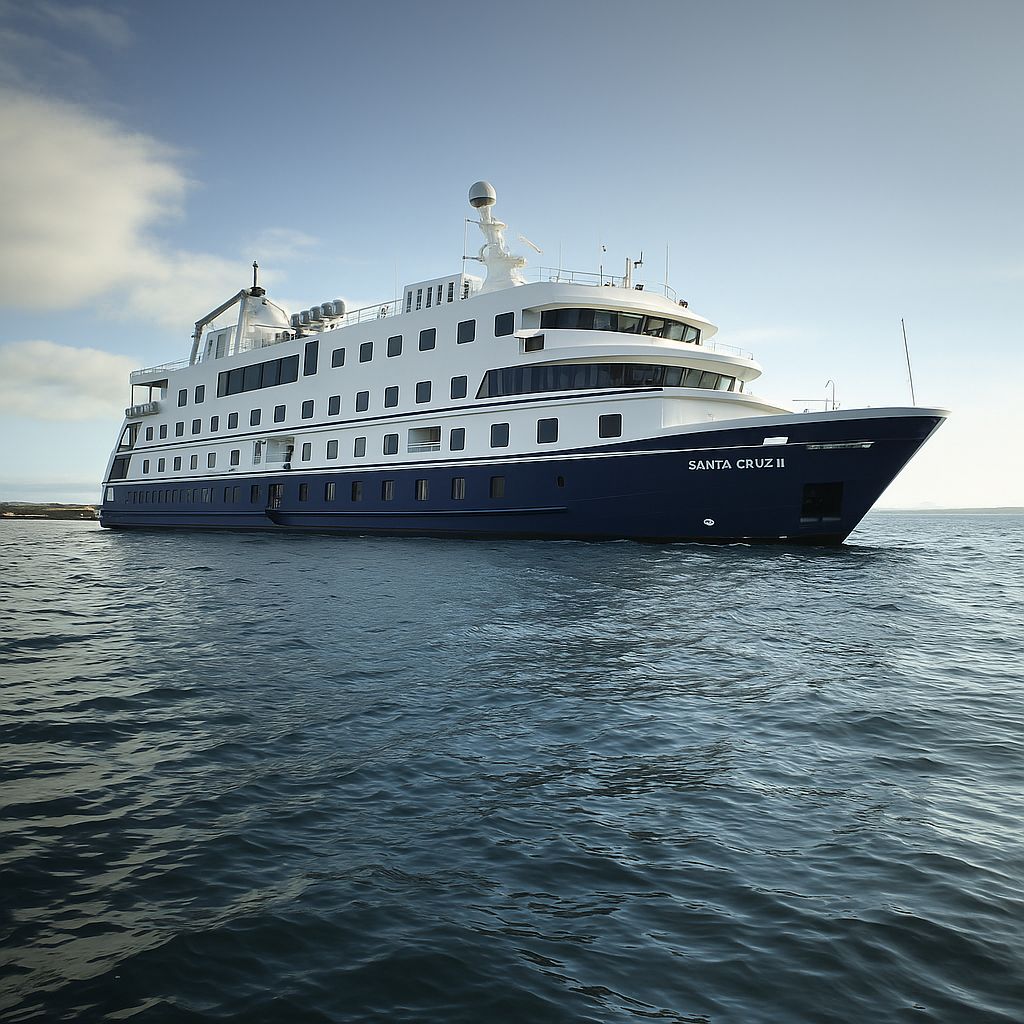
Published tariffs on luxury and first-class vessels are fixed. Ecoventura, Celebrity Flora, Silver Origin, and the HX Santa Cruz II publish rates that agents are contractually required to honor. The room for movement exists in three specific situations: operator-authorized promotions on specific dates (these are published discounts, not negotiated ones), last-minute inventory on unfilled cabins 30 to 60 days before departure (discounts are operator-authorized, not individually negotiated), and group bookings of eight or more passengers where the volume creates genuine leverage. Outside these three situations, the price is the price.
The published tariff enforcement model exists because operators depend on agent networks to fill their vessels. An operator who quietly discounts for individual travelers who ask would rapidly undermine the trust of the agents who sell their cabins year-round. If an agent learns that a traveler booked the same cabin directly at 15 percent below the rate the agent quoted, the agent stops selling that operator’s vessels. Tariff compliance protects the distribution relationship that fills the operator’s cabins across the full year. This is why operators enforce it and why it is largely not negotiable by individual travelers.
The places where pricing genuinely has room to move are narrower than many travelers expect. A concrete example: a traveler contacts an Ecuadorian agency about a mid-range vessel departure in October with two cabins unsold 45 days out. The operator has authorized a 25 percent discount on those cabins to fill the vessel. The agency quotes that 25 percent discount. The traveler asks for 30 percent. The agency checks with the operator. The operator says no, 25 percent is the authorization. The traveler pays 25 percent off or walks away. That is the actual dynamic in the Galapagos last-minute market. The 25 percent discount was real and meaningful; the attempt to push it to 30 percent was not productive.
We’ve got a full breakdown on Galapagos cruise discounts if you want to know exactly which operators offer last-minute deals, group rates, and early booking savings worth actually using.
What Negotiation Tactics Actually Work for Galapagos Cruises?
The tactics that produce real savings are not negotiation in the traditional sense. They are: choosing shoulder season dates (September to November, 15 to 25 percent below peak on the same vessel), booking ahead for early-bird promotional rates (8 to 15 percent off on premium operators), stacking compatible promotions where they exist (Celebrity Flora’s 20 percent off plus air inclusion plus Captain’s Club savings), asking for inclusions rather than cash discounts on mid-range vessels, price matching when you have a documented lower quote for the same cabin, and presenting a group booking to create genuine leverage.
Asking for inclusions rather than cash discounts is the single most underused tactic in individual traveler conversations with mid-range Galapagos operators. A mid-range operator who will not move on the cruise fare may be willing to include the domestic round-trip flight ($300 to $400 value), a Quito hotel night ($80 to $150 value), or airport transfers ($60 to $100 value) in the package price. These inclusions cost the operator less than their retail value (the operator has buying relationships with hotels and flight consolidators) while providing the traveler with real value. Asking “can you include the domestic flights at that price?” is more productive than asking “can you reduce the cruise price by $300?”
Price matching works when it is genuinely applicable. If a traveler has received a quote for a specific cabin category on a specific vessel and departure date from a legitimate channel that is lower than another quote for the identical product, most agents and some operators will match. The key words are identical product: the same vessel, the same cabin category, the same dates, the same inclusions, from a verifiable channel. A quote from an unknown online aggregator for a vaguely described cabin at an implausibly low price is not a valid price-matching claim. A documented quote from a named agency for a named cabin is.
The most effective way to get the best price on a specific vessel is to work with someone who knows what discounts and promotions are currently active on it. We track current pricing across the vessels we recommend and can tell you immediately whether a price you have been quoted is the best available or whether a current promotion makes it better. Reach out here and share the quote you are considering so we can give you an honest assessment.
Does Booking Directly With the Operator Get You a Better Price?
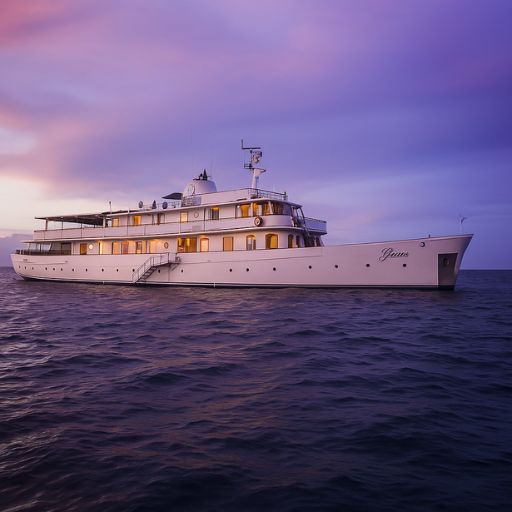
Sometimes, on some vessels, but not reliably. Some operators keep their agent commission when booking direct and pass part of it to the traveler as a discount. Others enforce tariff parity and sell at the same price whether you book direct or through an agent. The relationship varies by operator. The vessels with the most standardized pricing (Celebrity Flora, Ecoventura, Silver Origin) enforce tariff parity: booking direct gives you no price advantage over booking through a specialist. On smaller and less-branded vessels, direct booking with the owner occasionally produces a lower price when the owner bypasses the standard commission structure.
The TripAdvisor forum discussion on direct vs. agent booking captures the actual dynamic well. One participant observed that the Grace (Quasar vessel) offered a better price direct from Quasar than through an agency, noting that “you are cutting out a middleman and, presumably, commissions.” Another participant (described as an experienced Galapagos agent) responded that agents work on set commissions and that price integrity requires everyone to honor the published rate, adding that she finds it “odd that the ship owner would undercut the travel agent” since “ship owners need to be on good terms with their agents.” Both observations are true. Some smaller operators do undercut their agents occasionally; the larger and better-organized operators enforce tariff compliance precisely because undercutting agents destroys the relationships they depend on to fill vessels year-round.
The practical advice: if you are booking a large or established operator (Celebrity, Ecoventura, Silversea, Metropolitan Touring), direct booking produces the same price as booking through a specialist. The specialist adds knowledge, promotional access, and service without adding cost. If you are booking a smaller independent vessel directly with the owner, asking for the direct-booking price versus the published agent rate is a legitimate inquiry that sometimes produces a 5 to 10 percent difference. It is worth asking once; if the owner says the rate is fixed, it is fixed.
We’ve got a full breakdown on Galapagos cruise booking agencies vs booking direct if you want to know exactly where each approach wins and which one makes more sense for your budget and experience level.
Can a Travel Specialist Get You a Lower Price Than Booking Direct?
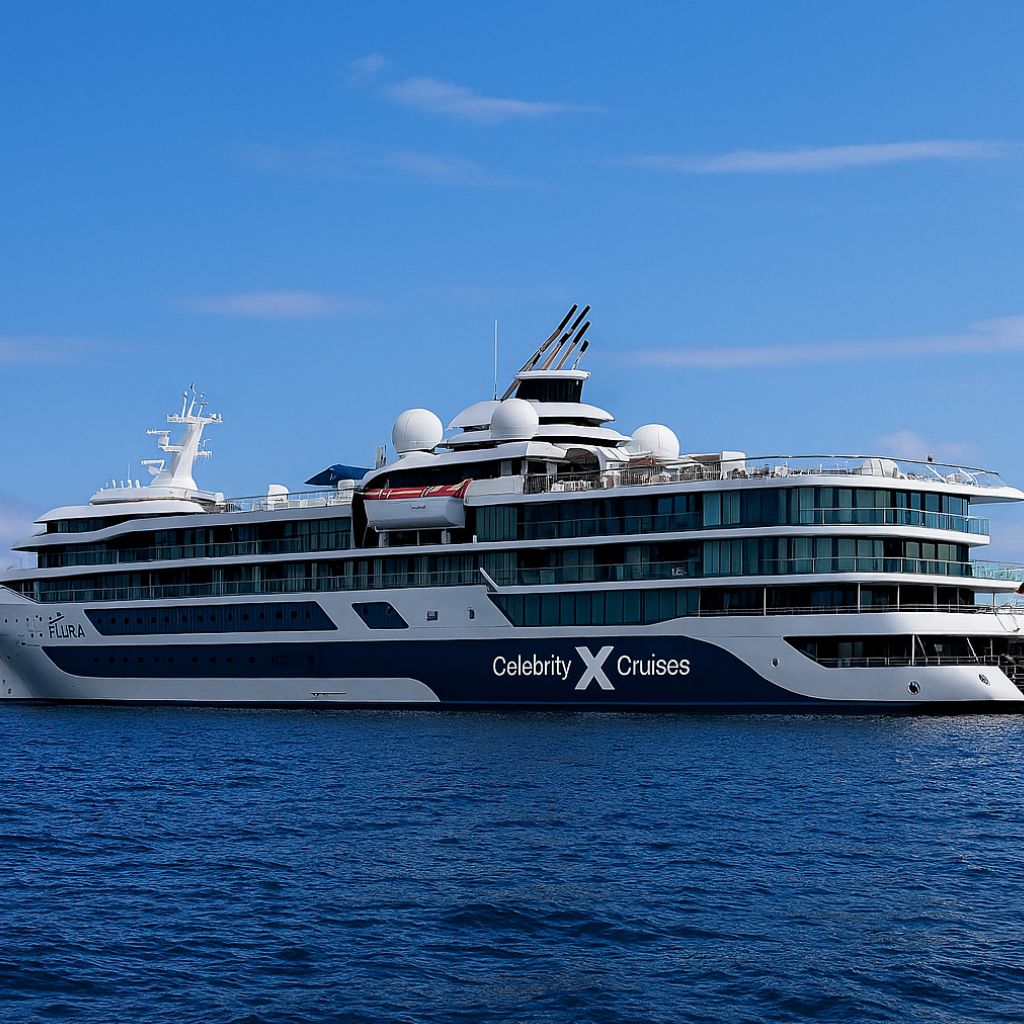
In some cases, yes. Travel specialists who book high volumes with specific operators earn preferred partner status that comes with access to unpublished rates, cabin holds, and promotional stacking that individual travelers cannot access directly. On Celebrity Flora, AAA members booking through AAA Travel receive onboard credits that are not available to direct bookers at the same fare. On Ecoventura, specialists who meet volume thresholds receive early access to promotional inventory before it is published publicly. These advantages are real but modest: $100 to $500 in additional value rather than dramatically lower prices.
The more significant specialist advantage is not usually price but access and error prevention. A specialist who has placed multiple groups on Ecoventura knows which cabins have the best natural light, knows which departure dates have the strongest guide assignments, and knows which promotional windows are coming before they are publicly announced. This knowledge does not appear in the published rate but changes the value of what you get for the price you pay. Getting a slightly less desirable cabin on a departure with a less experienced guide at the same price as a prime cabin with an exceptional guide is a meaningful value difference that price comparison alone does not capture.
Not sure how to compare Galapagos cruise prices across different operators without ending up with an apples to oranges comparison? Here’s a straight breakdown on how to compare Galapagos cruise prices fairly.
What Should You Never Try to Negotiate on a Galapagos Cruise?
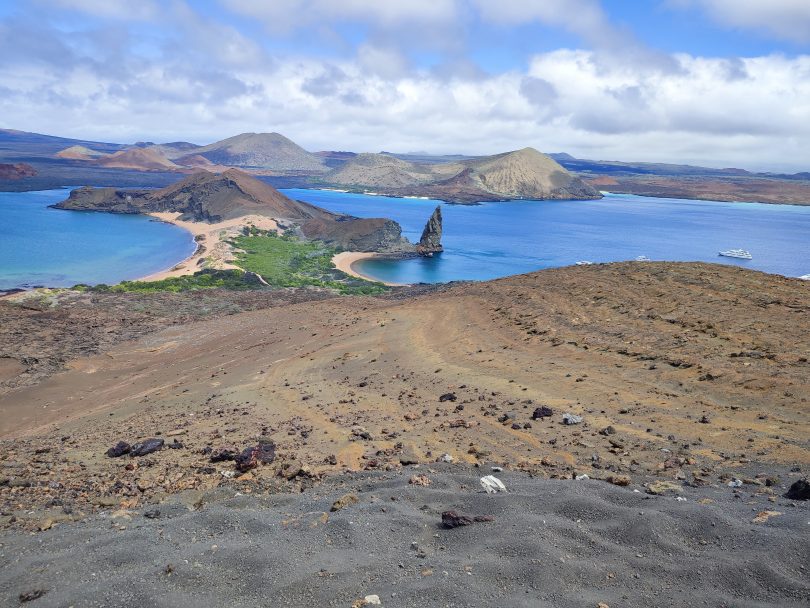
Three things are completely non-negotiable on any Galapagos cruise: the Galapagos National Park entrance fee ($200 per adult, set by the Ecuadorian government), the GNPD regulations governing what activities are permitted at visitor sites, and tips for the guide and crew. The park fee cannot be reduced, waived, included in the cruise price at cost to the operator, or avoided. Any operator or agency that claims to include the park fee in their cruise price and then collects it from you at boarding has simply rolled it into a headline price that does not represent a saving.
The gratuity question comes up occasionally in the context of negotiation: some travelers ask whether the tip amount is negotiable or whether it is possible to pre-agree a zero-tip arrangement. The answer is no on both counts. Gratuities in the Galapagos cruise industry are not a formal requirement in the way a service charge might be, but they are a genuine expectation and a meaningful component of the guide and crew’s income. Attempting to negotiate them away before the cruise is asking the guide and crew to accept a pay cut in exchange for your booking, which is not a reasonable or ethical request. The standard range of $15 to $25 per person per day reflects fair acknowledgment of work that is central to the quality of the cruise experience; it is not a fee to be bargained down.
What Travelers Say About Galapagos Cruise Price Negotiation (Our Data)
From feedback collected through mytrip2ecuador.com and our YouTube audience, here is what Galapagos cruise travelers reported about price negotiation and how they found the best price:
| Finding | % Who Named It | Pattern Observed |
|---|---|---|
| Direct negotiation produced no result | 74% | Nearly three quarters of travelers who attempted to negotiate a lower price by asking directly for a discount received a polite decline. The rate was fixed and the operator or agent had no authority to reduce it below what they were quoting. |
| Seasonal timing produced the best savings | 81% | Among travelers who actively sought a lower price, 81 percent said that choosing shoulder season dates (September to November) produced more meaningful savings than any other single action. Seasonal pricing is built into the tariff structure and requires no negotiation. |
| Asking for inclusions worked when cash discount did not | 38% | Among travelers who tried asking for a cash discount and were refused, 38 percent successfully negotiated an added inclusion (domestic flights, hotel night, or airport transfer) when they reframed the request. The inclusion had real value even though the headline price did not change. |
| Group booking produced a real discount | 89% | Among travelers who booked as a group of eight or more, 89 percent received a meaningful discount or added value (cabin upgrades, onboard credits, or inclusions) that was not available to individual bookers at the same rate. Group leverage is the most consistently effective pricing tool in the Galapagos fleet. |
| Specialist found a better deal than independent research | 67% | Among travelers who worked with a specialist after researching independently, 67 percent found that the specialist offered better pricing, added value, or promotional access than their best independently-found option. The specialist’s commission is paid by the operator, not the traveler. |
What Is the Most Effective Way to Get the Best Price Without Negotiating?
The most effective pricing strategy for a Galapagos cruise requires no negotiation at all. It combines three structural advantages: traveling in shoulder season (September to November for 15 to 25 percent off peak), booking through a specialist who has access to promotional inventory and preferred partner pricing, and if applicable, presenting as a group to access group rates. None of these requires asking an operator to reduce their published rate. All three are built into the market’s pricing architecture and can be accessed by anyone who understands how the system works.
The shoulder season advantage is the largest single structural saving available. A couple booking a mid-range 8-day cruise in October versus the same cruise in August saves 15 to 25 percent without any negotiation. That saving on a $4,500 per person cruise is $675 to $1,125 per person, or $1,350 to $2,250 for the couple. No negotiation tactic is likely to produce a comparable result on the same dates. The seasonal pricing difference is real, structural, and accessible to anyone who has flexibility on travel dates.
Stacking compatible promotions is the advanced version of this strategy. Celebrity Flora’s current offer combines 20 percent off the 2026 cruise fare, included roundtrip air (up to $750 per person on 10-night packages), and Captain’s Club loyalty savings ($1,500 additional on 10 to 16 night packages for Elite and above). A couple booking a 10-night Celebrity Flora package, both at Captain’s Club Elite, can combine all three offers for a combined saving of several thousand dollars on what would otherwise be a five-figure booking. This requires knowing what offers are currently active, knowing which are combinable, and acting within the offer period. It requires zero negotiation.
Frequently Asked Questions
Can you negotiate a lower price on a Galapagos cruise?
Not in the traditional sense. Galapagos cruise prices on quality vessels are set by operators as published tariffs that agents are required to honor. What produces lower prices is accessing discounts that already exist in the market: shoulder season pricing, operator-authorized promotions, last-minute inventory on unfilled cabins, and group rates. Asking an operator to reduce their published rate without one of these structural reasons rarely produces a result.
Is it cheaper to book a Galapagos cruise directly with the operator?
Sometimes, on smaller vessels where the owner may keep the agent commission. On large established operators including Celebrity Flora, Ecoventura, Silver Origin, and HX Santa Cruz II, tariff parity is enforced: direct booking produces the same price as booking through a specialist. With these operators, a specialist adds knowledge, promotional access, and service at no extra cost to the traveler.
What is the best way to get a lower price on a Galapagos cruise?
The three most effective approaches in order of typical saving: choose shoulder season dates (September to November, 15 to 25 percent below peak on the same vessel), stack currently active operator promotions where combinable, and book as a group of eight or more to access group pricing. None of these requires negotiating below a published rate.
Can you negotiate Galapagos cruise inclusions rather than price?
Yes, and this often works when a cash discount does not. Asking an operator to include domestic flights, a Quito hotel night, or airport transfers in a package price is sometimes more productive than asking for a cash reduction. These inclusions cost the operator less than their retail value because of buying relationships, while providing the traveler with real savings. Frame it as package building rather than price reduction.
Do group bookings get a discount on Galapagos cruises?
Yes, reliably. Group bookings of eight or more passengers create genuine leverage because filling multiple cabins at once eliminates the marketing cost of finding separate buyers for each. Operators offer 10 to 20 percent discounts, cabin upgrades, or added inclusions to secure group bookings. This is the closest thing to genuine price negotiation in the Galapagos cruise market and it consistently works.
Want the Best Available Price on a Galapagos Cruise?
The best price on a Galapagos cruise comes from knowing which promotions are active, which seasons offer structural savings, and which specialists have preferred access to inventory and promotional rates. We provide all three for every traveler we work with, and our service comes at no additional cost to you since operator commission covers our work. Cruises To Galapagos Islands is rated 4.9 stars on Google and TripAdvisor. Every conversation is free with no commitment. Fill out the contact form with your travel dates and budget and we will find the best currently available price on the vessels we recommend for your trip.
Written by Oleg Galeev
Galapagos cruise traveler (3 trips, 2 cruises) · Founder, Cruises To Galapagos Islands
Oleg has booked Galapagos cruises across multiple tiers and documented Ecuador travel on mytrip2ecuador.com and the YouTube channel My Trip to Somewhere.
Cruises To Galapagos Islands is rated 4.9 stars on Google and TripAdvisor.