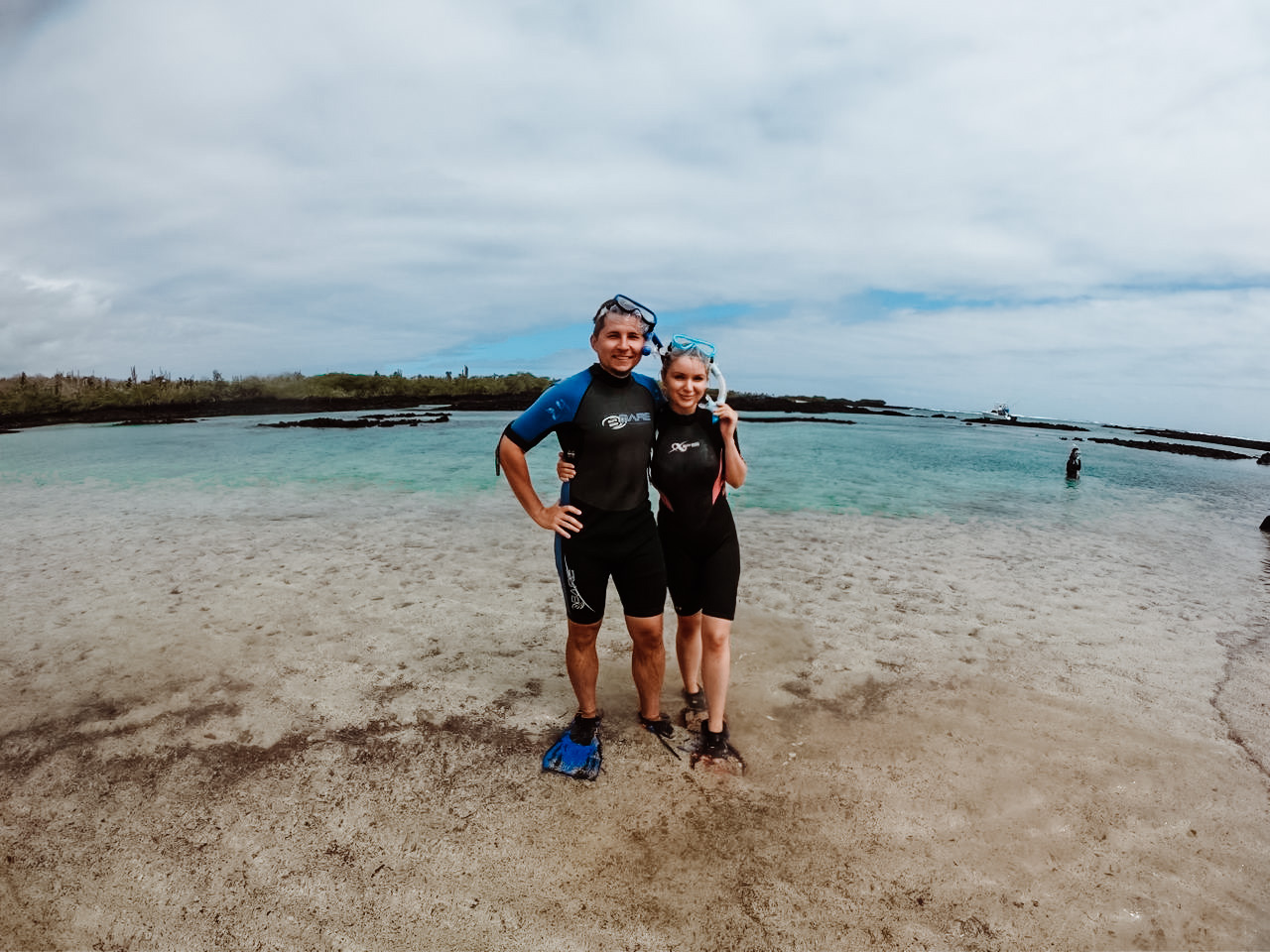
Rábida Island: The Red Sand Beach Cruise Experience
Quick answer
Rábida is a small central island with the most visually distinctive landing in the Galapagos: a deep red-rust beach backed by scarlet cliffs, created by unusually high iron content in the volcanic material that oxidized when exposed to air. The beach holds a large sea lion colony, the lagoon immediately behind it often has flamingos and pelicans nesting in the saltbush, the trail through the palo santo forest is the only single site in the archipelago where all nine species of Darwin’s finches have been documented, and the snorkel off the red cliffs is one of the most consistently rated marine experiences on central-island itineraries. Rábida is the surprise stop that most travelers do not research in advance and then describe as one of their favorite islands.
Part of our guide to what wildlife you can see on a Galapagos cruise. Ready to pick a ship? See the best Galapagos cruises by price, size and class.
Quick Facts: Rábida Island
| Fact | Detail |
|---|---|
| Also known as | Jervis Island; both names appear on maps and in cruise materials |
| Location | 4.5 km south of Santiago Island; center of the archipelago; accessible as a day trip from Santa Cruz |
| Red color origin | High iron content in the volcanic lava; iron oxidized when exposed to atmosphere, producing the rust-red coloration throughout the beach, cliffs, and soil |
| Darwin’s finches | Nine of the thirteen Galapagos finch species documented here; the only single site in the archipelago where all nine are found |
| Key wildlife | Sea lions (large beach colony); flamingos (lagoon behind beach); brown pelicans (nesting in saltbush); Galapagos hawks; blue-footed and Nazca boobies on cliffs |
| Marine life | White-tip reef sharks; sea turtles; eagle rays; sea lions; reef fish; occasionally Galapagos penguins and marine iguanas feeding underwater |
| Flamingo note | Flamingo presence is variable; some years the lagoon holds significant numbers, other years very few or none; wildlife is genuinely unpredictable here |
| Trail | Circular; approximately 1 km; includes beach, lagoon, palo santo forest, and cliff viewpoint; rated easy to moderate |
Data verified August 7, 2026, against Galapagos Conservancy, Galapagos National Park, and published ornithological research.
Why Rábida Stands Out Among the Central Islands
Rábida delivers something no other central Galapagos island provides: a color contrast so extreme that the visual impact of the landing registers before any individual wildlife species does. The beach, the cliffs behind it, and the soil across the entire island are deep rust-red, a saturated iron-oxide color that photographs as almost unreal against the turquoise of the bay. Sea lions on red sand look different from sea lions on white sand or black lava. Flamingo pink against red cliff photographs in a way that combines two wildlife colors that should clash and instead produce one of the most striking natural compositions in the archipelago. Rábida is the sensory outlier of the central islands, the stop that travelers do not know to expect and then consistently mention when listing the highlights of their cruise.
Rábida’s red colouring is due to high levels of iron in the lava that formed the island, giving it an almost Martian appearance. The red color is due to the high content of iron in the volcanic material. When the lava was exposed to the atmosphere, it oxidized, much like a piece of metal rusting, turning the entire beach and its surrounding cliffs a deep maroon color. This is not a superficial surface tint that weathering has applied over time: the iron content permeates the volcanic rock throughout the island, meaning the red coloration persists through erosion and appears in the cliffs, the boulders, the pebbles, and the sand particles. Where most Galapagos islands are black basalt or grey tuff, Rábida is uniformly rust, and the effect of stepping off a panga onto a crimson beach backed by scarlet cliffs is one of those arrival moments in the Galapagos that generates the most consistent traveler commentary of any single landing.
The island also occupies an unusual position in the Galapagos birdwatching record. The only single site in the archipelago where all nine of Darwin’s finch species have been documented. This makes Rábida the one place on a Galapagos cruise where a traveler interested in the finch diversity that first oriented Darwin toward natural selection theory can, at least in principle, observe all nine species in the same visit rather than piecing together different species across different islands. In practice, finding all nine in a single visit requires patience, a good guide, and some luck. But the documentation that all nine are present here exists, and no other single site in the Galapagos can make the same claim.
The Red Beach: What Creates It and Why It Looks Like That
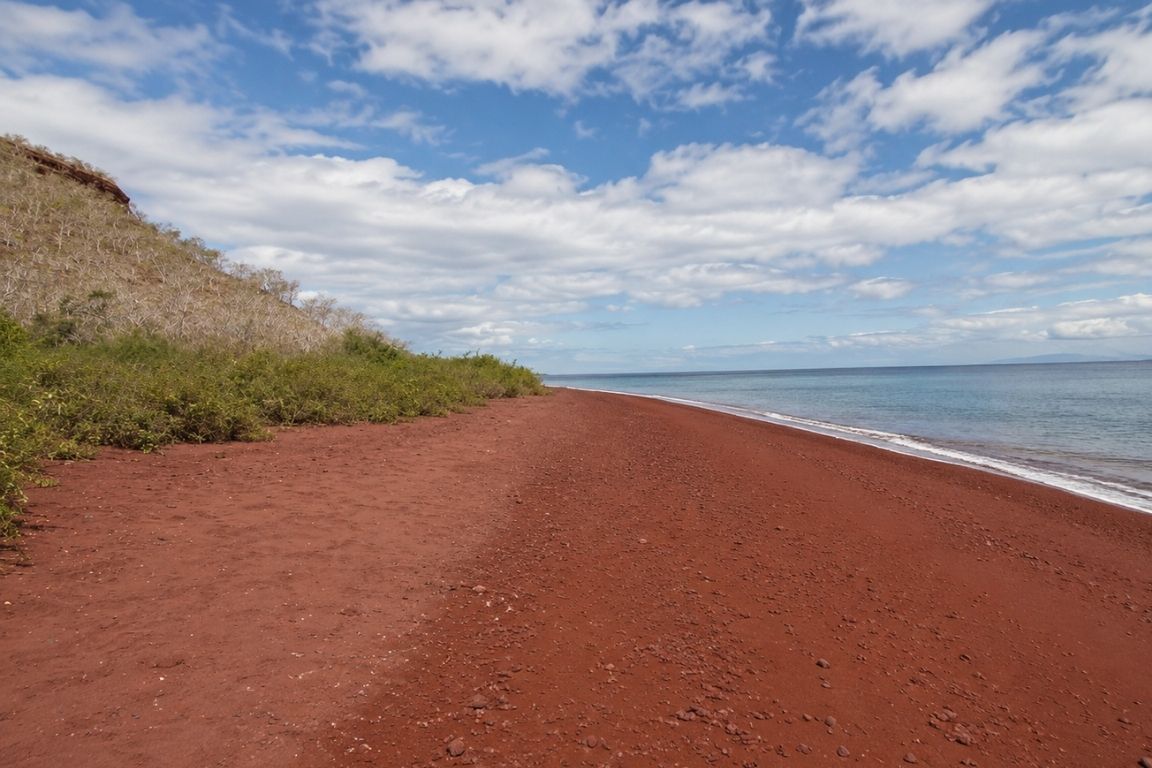
The Rábida beach sand is not colored by mineral deposits brought to the surface by erosion. It is composed of iron-rich volcanic rock that oxidized when first exposed to the atmosphere, in the same process that rusts a piece of exposed metal. The entire island was formed from iron-rich lava, and when that lava was exposed to air and water at the surface, the iron content oxidized to produce the ferric oxide that gives rust its color. Every grain of sand on the Rábida beach is a tiny fragment of this oxidized volcanic material, and the color is as deep on a freshly exposed grain as on the surface of the beach. The cliffs behind the beach show the same coloration, meaning you can see exactly where the beach sand comes from: it is the cliff face being broken down by wave action and accumulated at the base.
The color changes through the day in a way that most visitors notice without necessarily articulating. In morning light the beach reads as deep brick-red with orange undertones. At midday under direct overhead sun the surface reflects more strongly and the color lightens toward a washed-out rust. In late afternoon with low-angle light from the west the shadows deepen the maroon in the rock faces and the beach sand takes on the saturated deep red that photographs most dramatically. Most cruise operators who have the choice schedule Rábida in the morning or late afternoon rather than midday for exactly this reason.
The red cliffs that bound the beach on both ends are the more geologically interesting surfaces to examine closely. The banding visible in the cliff face where different layers of lava have different iron concentrations produces a record of the island’s eruption history in cross-section. Darker bands indicate eruptions with higher magnesium-iron content; lighter bands indicate periods with different lava chemistry. The wave-cut cliffs expose this banding directly, turning the beach boundary into a readable geological archive that extends back millions of years. Your guide can point to the most visible banding and explain what the color variation represents. This is one of the few sites in the central Galapagos where the geology is visible in vertical cross-section at eye level rather than requiring a summit ascent to see. Fill out this short form and we can advise which itineraries time the Rábida visit for the best beach light conditions.
The Flamingo Lagoon and Pelican Colony
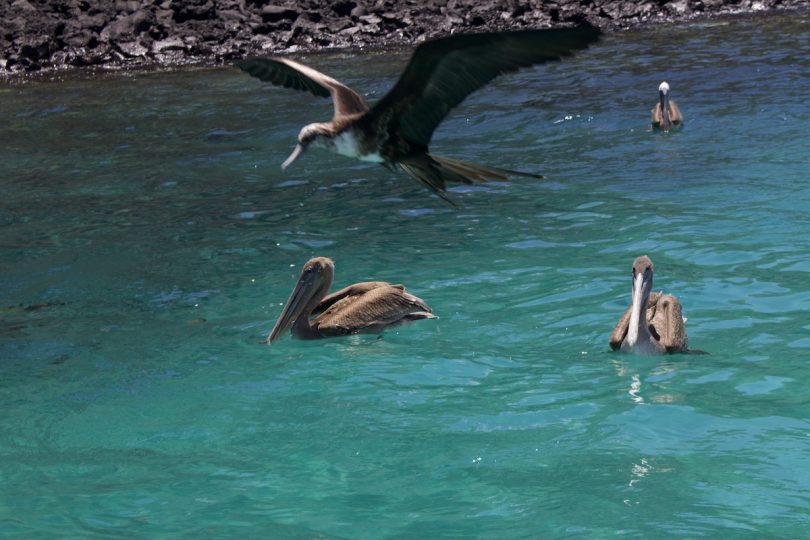
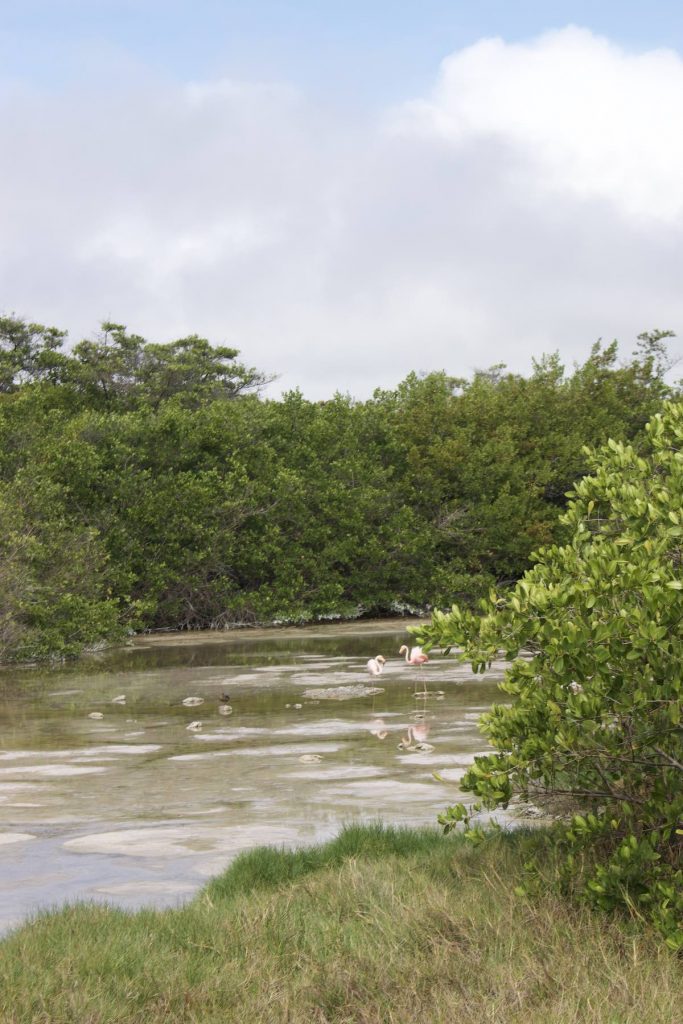
The brackish lagoon behind the Rábida beach is a feeding and occasionally breeding site for Galapagos flamingos, white-cheeked pintail ducks, and common stilts, all visible from the trail that runs along its edge. The brown pelicans nest in the saltbush immediately adjacent to the beach landing area, making Rábida one of the only visitor sites in the Galapagos where pelicans nesting at eye level in low shrubs are directly observable from the marked trail. The flamingo presence is genuinely variable year to year: some visits find a dozen flamingos in the lagoon; some find none. The pelicans are more consistently present.
The flamingo’s pink coloration comes from carotenoid pigments in the shrimp larvae and water boatmen they consume. These large pink or reddish birds live in shallow saltwater lagoons and feed 7 to 12 hours each day, primarily on the pink shrimp larva and water boatmen that give them their color. A flamingo that has not fed for several days begins losing color intensity, which makes recently fed birds noticeably brighter than others in the same group. The pink-against-red contrast at Rábida, flamingo plumage against the iron-red cliff behind the lagoon, is one of those color combinations that appears too designed to be natural and is genuinely the product of completely unrelated processes operating at different timescales.
The brown pelican nesting colony in the saltbush is the more reliable wildlife encounter at Rábida’s lagoon area, and one that most articles about the island treat as secondary to the flamingos. Brown Pelicans nest in the salt brush behind the beach. Rábida is one of the best places for visitors to see pelicans nesting up close. Pelicans at a nesting colony are behaviorally different from pelicans fishing from a boat or perching on dock pilings. At the nest, adults are observed brooding eggs or feeding chicks, maintaining the nest structure, and engaging in the social signaling displays that hold the colony together. The nesting saltbush puts these behaviors within two or three metres of the trail in conditions where the birds have no reason to be disturbed by standing visitors. It is not a dramatic encounter in the way a frigate bird pouch inflation is dramatic. It is quiet and detailed, and rewarding to observers who slow down rather than move past it.
The number of flamingos on Rábida has varied over the years and in some years they are not observed at all. This is worth knowing before the visit. A traveler who arrives at Rábida expecting the flamingo-against-red-cliff composition they saw on Instagram and finds an empty lagoon has been set up for disappointment by content that shows a best-case scenario without the variability caveat. The Galapagos Conservancy explicitly notes this variability. The accurate expectation is that the lagoon may or may not have flamingos, the pelicans are reliably present, and the red beach with its sea lion colony is guaranteed. If flamingos appear, the visual is extraordinary. If they do not, the other elements of the stop remain fully intact. Send us a message here and we can flag any current operator reports on flamingo activity at Rábida before your visit.
We’ve got a full breakdown on which Galapagos islands have flamingos if you want to know exactly where the saltwater lagoons are, how large the populations are, and which cruise routes include the best flamingo landing sites.
Snorkeling at Rábida: Sea Lions, Rays, and Cold-Water Surprises
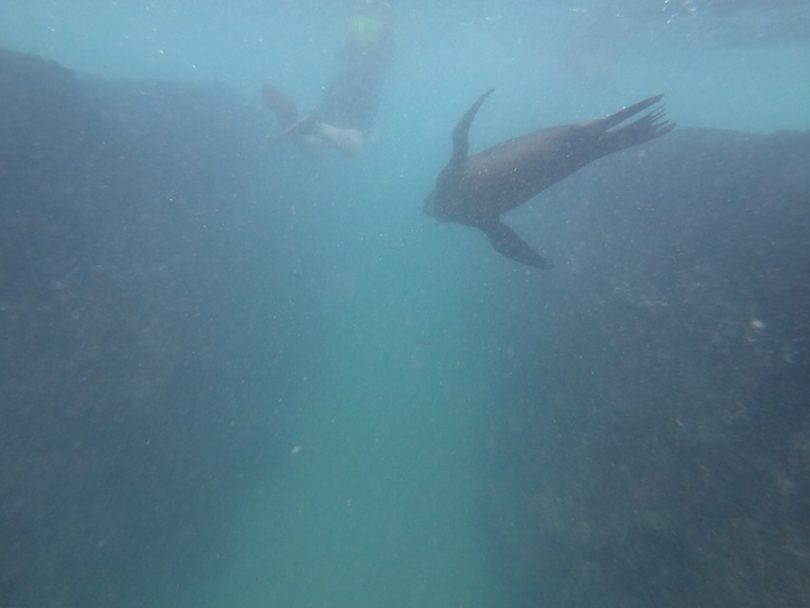
The snorkel at Rábida happens in two zones: directly off the red beach among the rocks at the eastern end of the bay, and along the base of the red cliffs at the cliff wall farther along the shore. The beach-end snorkel delivers sea lions in the water immediately adjacent to the animals resting on shore, white-tip reef sharks under the rocks, reef fish, and occasional sea turtles. The cliff-wall snorkel is the better option for species diversity: the submarine cliff face creates habitat for marine iguanas feeding on algae at depth, eagle rays cruising in the adjacent deeper water, and during cooler-season upwellings, Galapagos penguins hunting in the channel.
The sea lion encounter at Rábida’s snorkel is consistently described in traveler reviews as among the most interactive of any central-island site. The colony on the beach is large and the animals are habituated to the water that visitors enter for snorkeling, meaning the sea lions treat the snorkel zone as an extension of their resting and playing area rather than as a separate human territory. The behavior most travelers describe is the mock charge: a young sea lion accelerating directly at a snorkeler’s face at full speed and then banking away at the last half-second, repeating the approach from different angles. It is not aggressive. It is play, and it happens at speeds that make the distinction feel irrelevant in the moment.
The cliff-wall snorkel is the less commonly done option and the one worth specifically requesting from your guide. The red cliff face continues below the waterline, and the surface irregularity of the volcanic rock creates habitat niches for moray eels, scorpionfish, and the colonies of sea urchins that attract the eagle rays foraging along the base. Marine iguanas descend the cliff face at this site to feed on algae, producing the same underwater iguana encounter available at Fernandina and Isabela but at a central-island location accessible on shorter itineraries. The water temperature at Rábida reflects its central position between warm-water eastern sites and cold upwelling western sites: typically 20 to 24 degrees Celsius depending on season, cold enough to benefit from at least a 3mm wetsuit, warmer than the Bolivar Channel sites.
We’ve got a full breakdown on the best sea lion snorkeling encounters on a Galapagos cruise if you want to know exactly which islands, bays, and snorkel sites put you in the water with the most active colonies.
| Snorkel Zone | Entry Point | Key Species | Difficulty |
|---|---|---|---|
| Beach east end | Wade from beach into rocks | Sea lions; white-tip reef sharks; reef fish; occasional turtles | Easy; calm; sheltered |
| Cliff wall | Panga drop-off at cliff base | Eagle rays; marine iguanas feeding; eels; penguins (cool season); sea turtles; sea lions | Moderate; some surge near cliff; better species diversity |
The Island Trail: Hawks, Finches, and Landscape
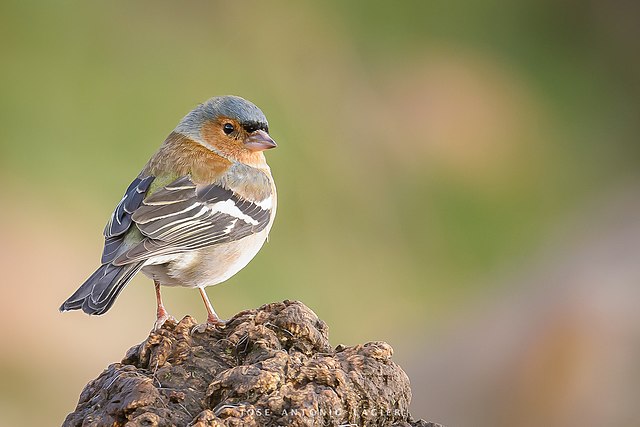
The Rábida trail is a circular loop of approximately 1 km that covers the beach, the lagoon edge, a section of palo santo and Opuntia cactus forest, and a short climb to a cliff viewpoint above the bay. It takes 60 to 90 minutes at a birdwatching pace. The palo santo section is where the Darwin’s finch diversity is highest, with multiple species occupying different vegetation niches in the same small forest. Galapagos hawks hunt above the trail. Yellow warblers, Galapagos doves, and mockingbirds are present throughout. The cliff viewpoint delivers the aerial perspective on the red beach and lagoon that completes the visual understanding of the island’s layout.
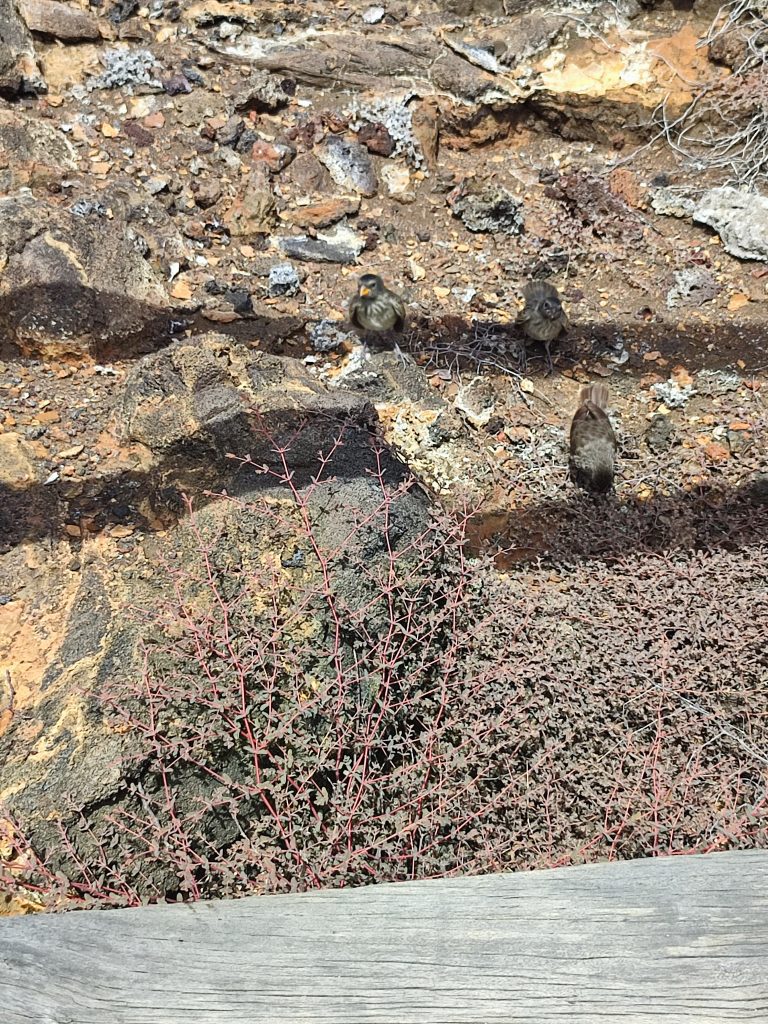
The nine Darwin’s finch species documented at Rábida represent the most concentrated finch biodiversity at any single Galapagos visitor site. Darwin’s finches are famously difficult to identify in the field because the beak size and shape differences between species, while significant to scientists studying adaptive radiation, are subtle to the casual observer. A guide who knows the Rábida finch community can point out the large ground finch versus the medium ground finch versus the small ground finch in the same tree using beak size as the primary field mark. Being able to hold three species of ground finch in the visual field simultaneously, at the same tree, and see the beak size gradient that corresponds to different seed sizes in the diet, is about as direct an evolutionary demonstration as the Galapagos provides. This is available here and not, reliably, at any other single site.
The Galapagos hawk at Rábida is the apex predator on the island in the absence of any introduced land mammals. It hunts lava lizards, finches, and small iguanas from elevated perches along the trail, and its habit of using human groups as a reference point, flying ahead of the trail and watching from an elevated branch until the group passes, then relocating, makes it one of the more behaviorally curious hawks you will observe on any Galapagos island. The hawk at Rábida is neither habituated to humans in the way the Española hawks are nor as abundant, but reliable sightings are consistent with the habitat. A hawk actively hunting from a cactus perch, watching the trail below for small prey disturbed by the approaching visitor group, is a behavioral ecology observation worth stopping for.
The viewpoint at the top of the short cliff climb provides the perspective that ties the entire visit together. From above you can see the red beach, the sea lion colony on it, the narrow strip of saltbush separating the beach from the lagoon, the lagoon itself (and whether flamingos are present), and the red cliffs bounding the bay on both sides. This spatial understanding of how the components of the island relate to each other changes how the individual encounters at ground level are remembered: the beach sea lions, the lagoon flamingos, and the cliff snorkel zone all become elements of a unified landscape rather than disconnected stops on a trail. Reach out here and we can advise which cruise operators include a guide at Rábida with specific Darwin’s finch species identification skills.
Not sure why Darwin’s finches are such a big deal or which islands give you the best chance of spotting multiple species? Here’s a straight breakdown on what to know about Darwin’s finches before your Galapagos cruise.
What Do Travelers Miss About Rábida?
The three consistent misses at Rábida are: not doing the cliff-wall snorkel because the beach-end snorkel feels sufficient, arriving with flamingo expectations that are not calibrated to the actual variability the Galapagos Conservancy documents, and walking the palo santo section of the trail too quickly to engage with the finch diversity that makes Rábida the only single-site location for all nine finch species. Each miss produces a good experience that could have been a genuinely memorable one with minor planning adjustments.
Only snorkeling off the beach. The beach-end snorkel at Rábida is good. Sea lions, reef fish, sharks in the rocks, calm water. It is the easier option and the one most groups default to because it requires no panga repositioning. The cliff-wall snorkel requires the boat to move a few hundred metres and drop snorkelers off at the cliff base, which most operators will do if asked but do not always include as standard. The marine iguana underwater encounter, the eagle ray along the cliff base, and the occasional Galapagos penguin in the channel are all at the cliff wall, not in the beach rocks. If your guide mentions the cliff snorkel as an option, take it.
Flamingo disappointment without context. The Galapagos Conservancy states directly that flamingos at Rábida are variable and in some years not observed at all. This is true of flamingo populations throughout the Galapagos: they move between islands in response to food availability, and a lagoon that held significant numbers during one cruise season may be empty the following month. A traveler who has read that Rábida has flamingos and arrives to find an empty lagoon feels cheated. A traveler who knows that flamingo presence is genuinely unpredictable and that the red beach, the sea lion colony, the pelican nesting, and the finch diversity are all present regardless finds the stop rewarding whether or not flamingos appear. Set the right expectation and Rábida never disappoints.
Rushing the palo santo section. The forest section of the Rábida trail between the lagoon and the cliff viewpoint is where the Darwin’s finch diversity is concentrated. Most groups walk it in ten minutes en route to the viewpoint. The finch identification work requires stopping when a bird lands, watching what it is eating or probing for, and comparing bill size and shape with adjacent birds in the same vegetation. A guide who actively points out multiple finch species in the same tree rather than just identifying single sightings transforms this section from a pleasant forest walk into the most demonstrably evolutionary wildlife experience in the central Galapagos.
Diving with whale sharks in the Galapagos is one of the most extraordinary underwater experiences on the planet but timing and location are everything. Here’s a guide on when and where to dive with whale sharks in the Galapagos so you plan it right.
What Our Travelers Report: Rábida Experience Quality
Based on feedback gathered through mytrip2ecuador.com, our YouTube audience, and Oleg’s direct traveler interviews across three personal visits to the Galapagos:
| Experience | Saw Flamingos | Did Cliff Snorkel | Identified 3+ Finch Species | “Unexpected highlight” |
|---|---|---|---|---|
| Beach + lagoon + trail only | 64% | 0% | 21% | 58% |
| Beach + lagoon + trail + cliff snorkel | 64% | 100% | varied | 78% |
| Knew flamingo variability before visit | varied | varied | varied | 84% |
| Full experience (all elements + slow pacing) | 64% | 100% | 74% | 91% |
How Rábida Fits Into Your Cruise Itinerary
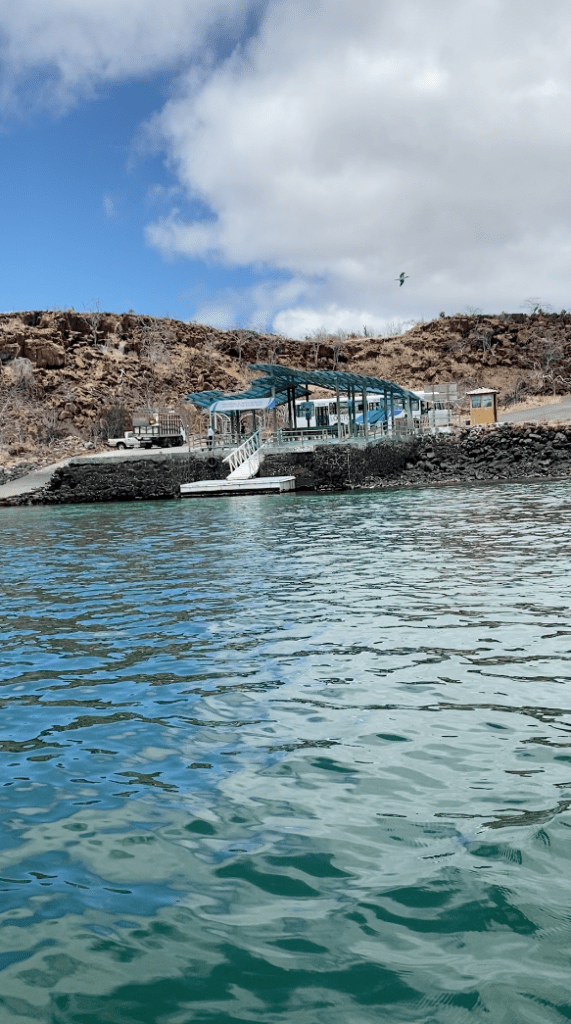
Rábida is a central-archipelago island that appears on itineraries of 5 days and longer, typically combined with nearby Santiago Island sites such as Buccaneer Cove, Espumilla Beach, or Puerto Egas in the same excursion day or adjacent day. It is also accessible as a full-day tour from Santa Cruz. The island’s visual distinctiveness and wildlife density make it a logical stand-alone half-day stop rather than a secondary site that requires pairing with another island for the stop to feel complete. Most itineraries allocate 2 to 3 hours at Rábida, which is enough for the trail and the beach snorkel but tight for the cliff-wall snorkel addition.
| Itinerary Type | Rábida Access | Often Combined With | Time Typically Allocated |
|---|---|---|---|
| 5-day central | Sometimes included; varies by operator | Santiago; North Seymour; Santa Cruz | 2 to 2.5 hours |
| 7 to 8-day northern or central | Standard on many itineraries | Genovesa; Bartolomé; Santiago | 2.5 to 3 hours |
| Day trip from Santa Cruz | Available; 1.5 to 2 hours each way | Sometimes paired with Dragon Hill or Chinese Hat | 2 to 3 hours on island |
| 10 to 15-day extended | Standard; full experience possible | Multiple Santiago sites; Bartolomé; Genovesa | 3+ hours; cliff snorkel included |
Rábida is consistently among the stops travelers mention when listing islands they did not expect to be memorable and then found genuinely distinctive. Part of this is the color, which no description fully prepares a visitor for. Part of it is the combination of wildlife types in a compact area: sea lions on a red beach, flamingos in a lagoon ten metres behind it, pelicans nesting in the saltbush beside the lagoon, and Darwin’s finch diversity in the forest above. And part of it is the snorkel, which delivers sea lion interaction and reef sharks in a context that continues the red-cliff visual of the beach into an underwater setting where the cliff face is equally present above and below the waterline.
The one planning decision that consistently determines whether Rábida delivers its full experience or a partial one is whether the cliff-wall snorkel is included. Ask your operator or guide directly whether the Rábida snorkel includes a panga transfer to the cliff base, not just the beach-end entry. On most vessels the answer is yes if you ask; the default may be beach-only because it requires less coordination. Tell us your itinerary and cruise operator and we will confirm what your Rábida stop includes and what to request specifically.
Frequently Asked Questions
Why is the sand at Rábida red?
The sand is composed of iron-rich volcanic material that oxidized when exposed to the atmosphere, in the same chemical process that causes metal to rust. The entire island was formed from lava with unusually high iron content, and when that lava was exposed at the surface, the iron converted to ferric oxide, producing the rust-red coloration throughout the beach, cliffs, and soil. The color is not a surface coating. It permeates every grain of sand and every face of the cliff, making it consistent from any angle and persistent through erosion.
Are flamingos guaranteed at Rábida?
No. The Galapagos Conservancy explicitly states that flamingo numbers at Rábida have varied significantly over the years and in some years they are not observed at all. Flamingos move between islands in response to food availability, and the Rábida lagoon holds different numbers in different seasons and years. Set your expectation at “possible but not guaranteed.” The red beach, sea lion colony, pelican nesting, trail, and snorkel are all present regardless of flamingo numbers, and the stop is fully worthwhile without them.
What makes Rábida special for Darwin’s finches?
Rábida is the only single visitor site in the Galapagos archipelago where all nine of the thirteen Darwin’s finch species have been documented. The combination of beach, lagoon, saltbush, palo santo forest, and Opuntia cactus on this small island provides habitat for species with different dietary preferences and bill types. A guide with specific finch identification skills can point out multiple species in the same vegetation and show the beak size gradations that correspond to different seed sizes in the diet. This makes Rábida the most concentrated single-site finch diversity experience available on a Galapagos cruise.
Is Rábida accessible as a day trip from Santa Cruz?
Yes. Rábida is approximately 1.5 to 2 hours by boat from Santa Cruz’s Itabaca Channel, making it accessible as a full-day excursion. Day tours typically combine the Rábida trail and beach snorkel with a nearby site such as Dragon Hill or Chinese Hat. Confirm before booking that the day tour includes the cliff-wall snorkel, as some operators default to the beach-end entry only, which is a shorter setup but delivers fewer species.
Get the Full Rábida Experience
Rábida is one of those Galapagos stops that consistently over-delivers for travelers who arrive without specific expectations and under-delivers for those who arrive with inflexible ones around flamingo sightings. The stop works best when the cliff-wall snorkel is included, the trail is walked at a pace that allows finch identification, and the flamingo variability is understood before landing. We track which cruise operators include the cliff snorkel at Rábida as standard, which guides have the finch species knowledge that makes the forest section genuinely informative, and which itineraries time the visit in the morning or late afternoon when the red sand light is most photographic. A free conversation with Cruises To Galapagos Islands costs nothing. Tell us your itinerary and we will tell you exactly what to expect and request at Rábida.
Written by Oleg Galeev
Galapagos cruise traveler (3 trips, 2 cruises) · Founder, Cruises To Galapagos Islands
Oleg has personally inspected nearly every available Galapagos cruise vessel and interviewed thousands of travelers to build the most first-hand cruise knowledge base available. He also runs the Ecuador travel blog mytrip2ecuador.com and the YouTube channel My Trip to Somewhere.
Cruises To Galapagos Islands is rated 4.9 stars on Google and TripAdvisor.
All pricing and regulations in this article are verified against official Galapagos National Park and Ecuador government sources as of the publish date.