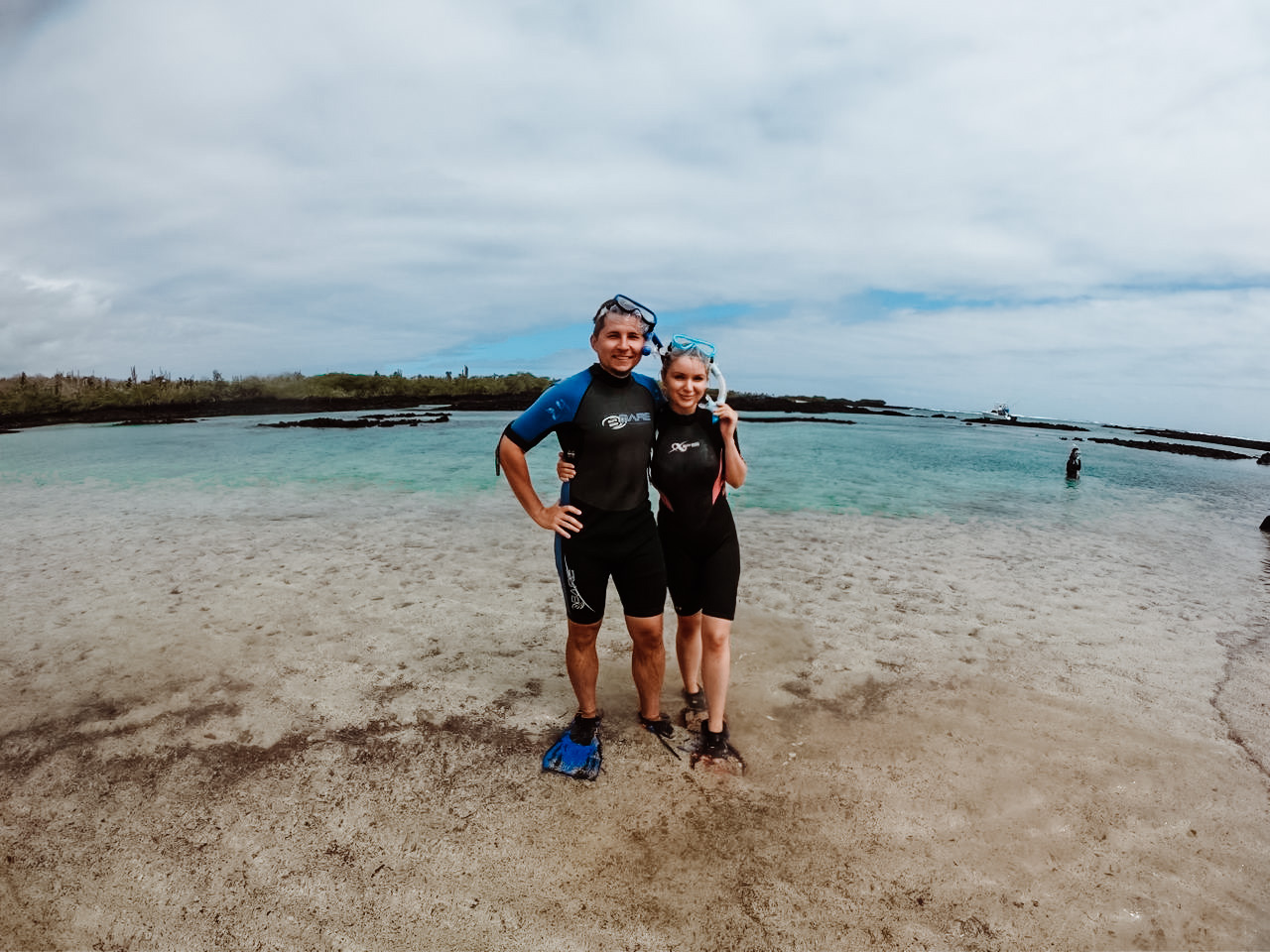
What Happens on a Typical Day on a Galapagos Cruise?
Quick Summary
A typical day on a Galapagos cruise starts early: wake-up call before 6:30 a.m., light breakfast, then a panga ride to your first island. Two excursions fill the day, one in the morning and one in the afternoon, each lasting 1.5 to 2.5 hours. Between them, the vessel sails to the next site while you eat lunch on board. Evenings are for showers, dinner, and the naturalist’s briefing on tomorrow’s itinerary. Most guests are in bed by 9:30 p.m. The days are full, structured, and unlike anything most travelers have experienced on any previous trip.
Part of our guide to our Galapagos cruise planning guide. Ready to pick a ship? See the best Galapagos cruises by price, size and class. Budgeting first? Read how much a Galapagos cruise costs.
Quick Facts: A Typical Day on a Galapagos Cruise
| Time | What Happens |
|---|---|
| 5:30 to 6:30 a.m. | Wake-up call. Light breakfast or coffee and fruit before the first excursion. Some vessels serve the full breakfast after the morning landing. |
| 6:30 to 8:00 a.m. | Panga (Zodiac) transfer to the first island. Morning excursion: guided hike or snorkel at the first visitor site. This is the golden light window for wildlife activity and photography. |
| 10:00 to 11:00 a.m. | Return to vessel. Full breakfast or brunch (depending on vessel schedule). Vessel navigates to the next site. |
| 12:00 to 1:00 p.m. | Lunch on board. Rest, sun deck, or optional activities while the vessel anchors or positions for the afternoon site. |
| 2:00 to 5:00 p.m. | Afternoon excursion: second island landing or water activity (snorkel, kayak, glass-bottom boat). Return to vessel by 5:00 p.m. (park closing rule). |
| 5:00 to 7:00 p.m. | Shower, drinks on deck, aperitifs. Sunset from the vessel while sailing to the overnight anchorage. |
| 6:30 to 7:00 p.m. | Naturalist evening briefing: recap of the day’s wildlife, preview of tomorrow’s sites, what to expect, and what to wear and bring. |
| 7:30 to 9:00 p.m. | Dinner. Socializing on deck. Optional stargazing (minimal light pollution across the archipelago). |
| 9:00 p.m. onward | Vessel sails overnight to the next island. Most guests asleep by 9:30 to 10:00 p.m. |
Schedule varies by vessel, itinerary, and daily conditions. Times are indicative. Verified September 2026.
What Does a Typical Day on a Galapagos Cruise Actually Look Like?
A day on a Galapagos cruise is organized around two guided excursions: one in the morning, one in the afternoon, each at a different visitor site. Between them, the vessel navigates to the next location while you eat and rest. Evenings are for dinner and the naturalist briefing. The vessel sails overnight to position for the following day. Every day is different – different islands, different species, different terrain, but the rhythm is consistent enough that by day two, it feels natural.
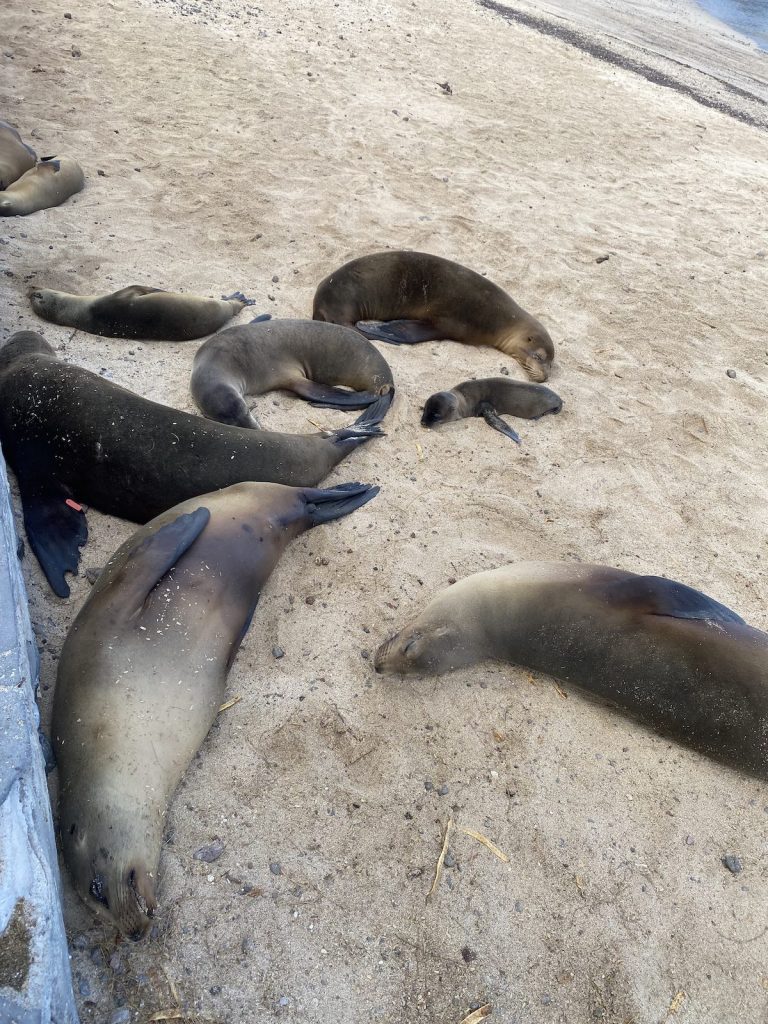
The first morning is the one that recalibrates your expectations for the rest of the cruise. You wake before dawn in the equatorial dark, and the vessel is already anchored. There is no port noise, no city backdrop. Just water. You eat quickly, pull on your hiking shoes, and climb into the panga. Seven minutes later, you step off into ankle-deep surf on a beach where sea lion pups are sleeping in the sand, completely unaware of you. Your guide says nothing for a moment. You don’t either.
That silence at first landing is the detail no brochure prepares you for. You have read that Galapagos wildlife doesn’t run. You have seen the photographs. The reality still surprises you, because the cognitive dissonance of standing three feet from a marine iguana that is actively ignoring you doesn’t resolve into understanding the way reading about it does. It just happens, and then you understand.
The days are full in a way that exhausts people in the best possible way. Two excursions, each lasting 1.5 to 2.5 hours, with real walking on uneven volcanic terrain, snorkeling in cool water, and sustained alertness to whatever the guide is pointing at. By 4 p.m. you have already done what most travelers consider a complete day of activity. By 7 p.m. you have had dinner and a glass of wine and you cannot quite recall why staying up past nine seemed like a reasonable goal when you boarded.
The daily schedule changes significantly depending on which itinerary you choose and which vessel you are on. Some cruise classes offer more flexibility, additional activity options, and longer time at each site. If the day-to-day structure matters to how you plan your trip, we can walk you through what to expect on the specific cruises we recommend. Fill out this short form and we will help you find the cruise that fits the pace and activity mix you are looking for.
We’ve got a complete guide to snorkeling on a Galapagos cruise if you want to know exactly what to bring, which sites deliver the best encounters, and what to expect at each one.
What Happens in the Morning on a Galapagos Cruise?
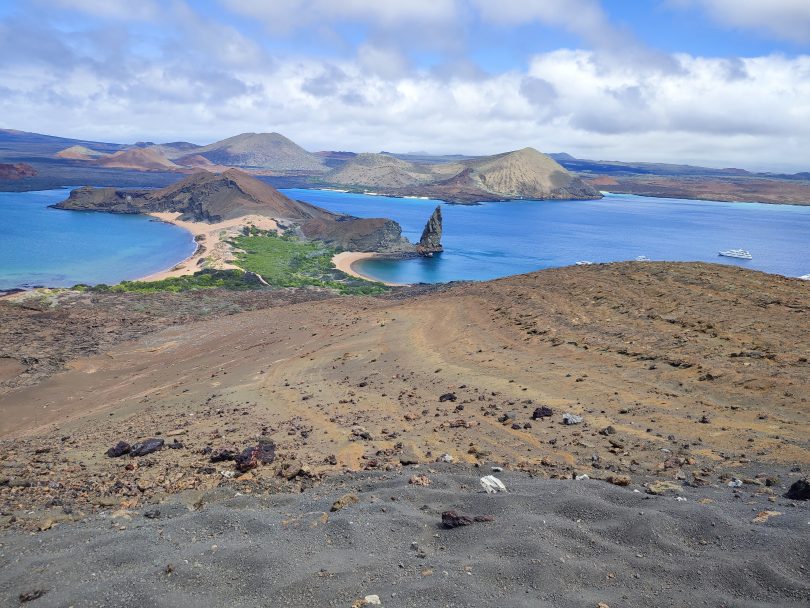
Mornings on a Galapagos cruise start early by design. The Galapagos National Park allows visitor site access from 6:00 a.m., and the best light, the coolest temperatures, and the most active wildlife are all in the morning hours. A wake-up call between 5:30 and 6:30 a.m. is standard. Light breakfast, then a panga ride to the first landing site, then 1.5 to 2.5 hours of guided exploration before returning to the vessel for a full breakfast or brunch.
The panga ride itself deserves description. A panga is a small motorized dinghy, flat-bottomed, holding 8 to 16 passengers in two rows facing each other. You sit with your gear on your lap, life jacket on, and the driver navigates between the vessel and the shore. In calm conditions it takes five to ten minutes. In rougher water, the panga bounces and you hold the rope along the gunwale and lean into the turns. You arrive at the shore either slightly damp or completely dry depending on the landing type, which your guide has already told you about in the pre-departure briefing.
The morning excursion is typically the longer and more demanding of the two daily visits. Early hours mean cooler temperatures on the lava fields, better photographic light at low angles, and wildlife in its most active behavioral window. Blue-footed boobies perform their courtship dances in the morning. Frigate birds inflate their pouches and call from the colony trees. Marine iguanas move from overnight cooling positions back toward sun-warmed rock and the sea. The guide knows this. The itinerary is built around it.
The return from the morning excursion involves a biosecurity step most travelers do not anticipate. Before boarding the panga back to the vessel, you scrub the soles of your shoes at a brush station on the shore. This is an official GNPD biosecurity protocol: lava rock and beach sand carry seeds and microorganisms between islands, and the brushing removes potential transfer vectors. It takes 30 seconds and the crew handles the equipment. On the vessel, your shoes come off before you go inside, replaced by deck footwear kept in a rack near the boarding platform.
Want to make the most of every landing from a photography standpoint before you step off the panga? Our guide to wildlife photography on a Galapagos cruise covers gear, settings, and which species to prioritize.
What Happens in the Afternoon on a Galapagos Cruise?
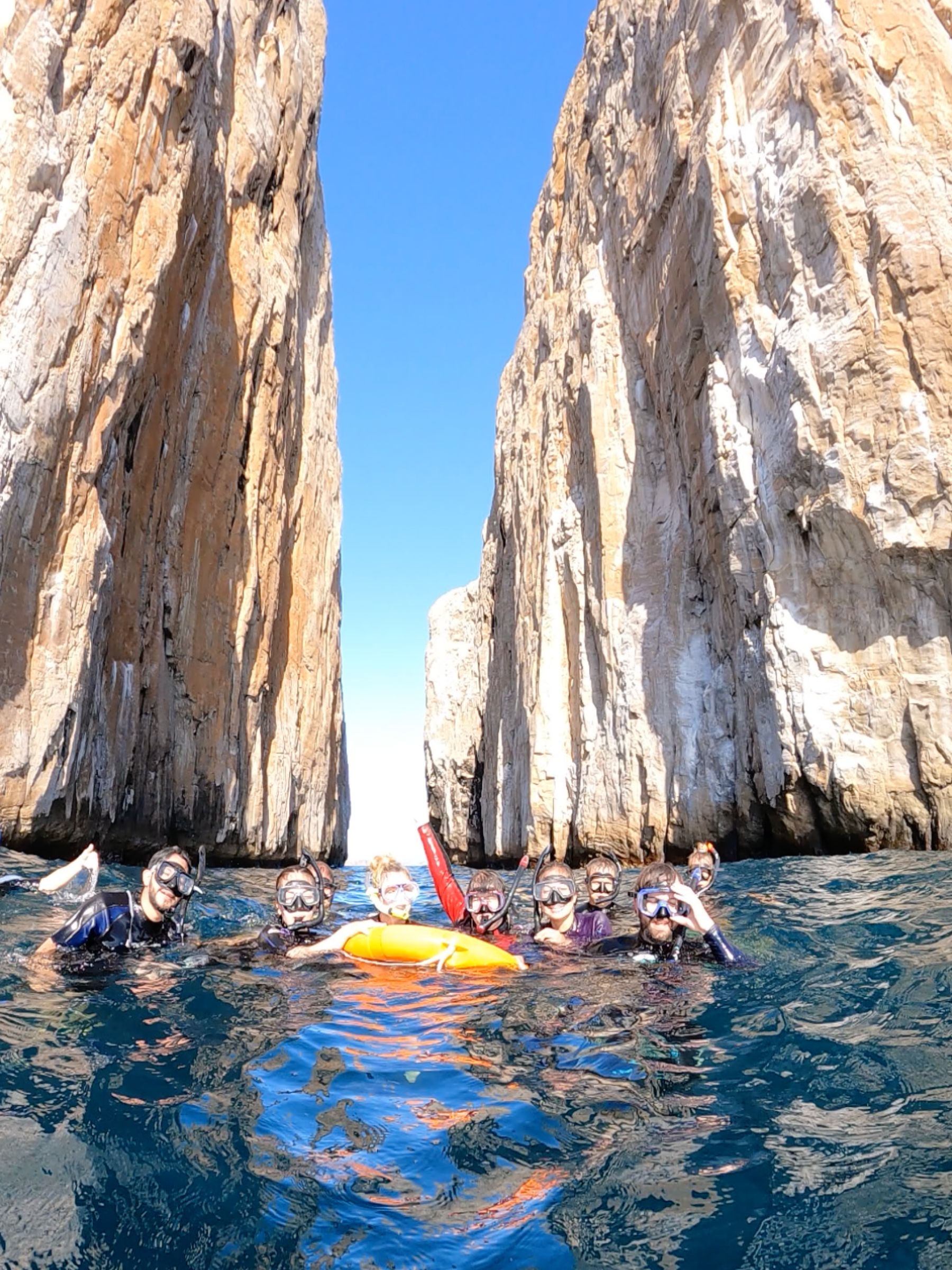
The afternoon excursion is typically a water activity (snorkeling, kayaking, or a glass-bottom boat session) or a second land landing at a different visitor site on the same island or a neighboring one. All visitor site activities must conclude by 5:00 p.m. by park rule. The afternoon period between the morning return and the afternoon departure is the closest thing to free time in the daily schedule: an hour or two of lunch, rest, or optional activities on board.
The midday window between excursions is something most travelers underestimate before they arrive and appreciate deeply by day three. You return from the morning landing around 10:00 to 11:00 a.m. Breakfast or brunch is waiting. The vessel moves to the afternoon site, which takes anywhere from 20 minutes to two hours depending on the day’s itinerary. During that transit, you eat, dry out your snorkel gear, sit on the sun deck and watch the ocean, or simply sleep. This window is not wasted time. It is recovery time, and the Galapagos schedule requires it.
The afternoon visit often has a different character from the morning. If the morning was a land hike, the afternoon might be a snorkel or a kayak session. If the morning was a snorkel at a rocky site with current, the afternoon might be a gentler beach landing with a short walk. The guide alternates the type and intensity deliberately, managing the group’s energy across a full active day. A well-structured afternoon activity uses the direction of the afternoon light, positioning the group at sites that face west or south for better photography and wildlife visibility in the lower sun.
The 5:00 p.m. park cutoff is firm. All groups must be back on their vessels by this time. This means afternoon excursions are carefully timed: a 2:00 p.m. departure from the vessel gives you roughly 2.5 hours at the site before the return panga. The guide manages this precisely. There is no lingering past sunset at visitor sites.
The balance between land and water activities across a week varies by itinerary route and vessel. Some cruises emphasize snorkeling heavily; others are more hike-focused. If you have a preference for how your days are structured or specific activities you want to prioritize, matching the cruise to that preference before booking makes a meaningful difference. Reach out here and we will find the itinerary that matches what you are looking for.
Not sure which Galapagos cruise ships include kayaking or which routes give you the best paddling conditions? Here’s a straight breakdown on the best ships and routes for kayaking on a Galapagos cruise.
What Happens in the Evening on a Galapagos Cruise?
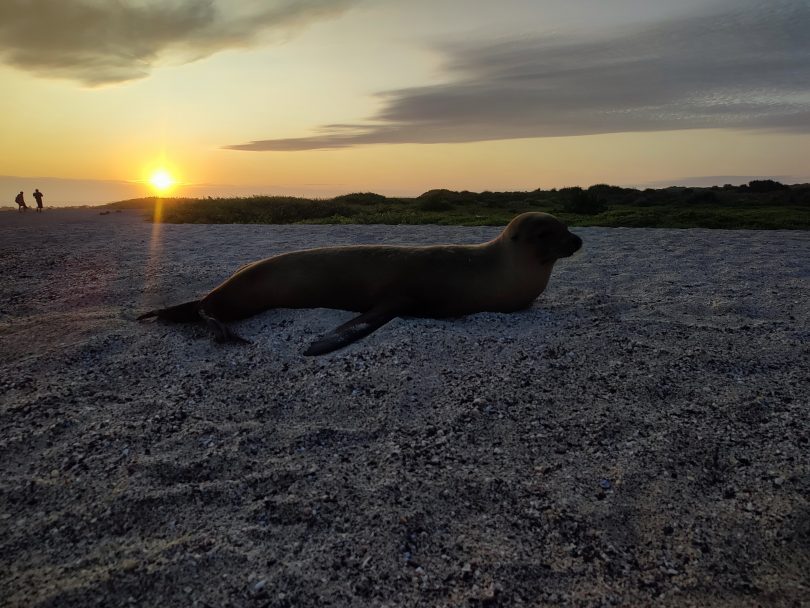
Evenings on a Galapagos cruise are quiet, convivial, and shorter than most travelers expect. The sequence is consistent: return from the afternoon excursion, shower, drinks on deck as the sun sets, the naturalist’s evening briefing (20 to 30 minutes), dinner, optional stargazing or socializing, then bed. The vessel sails overnight to the next site. Most guests are asleep by 9:30 to 10:00 p.m. without effort.
The evening briefing is the most underrated part of the daily cycle. It happens before or after dinner, delivered by the naturalist in the vessel’s lounge or on deck. The guide covers what happened that day (connecting it to what travelers observed), then walks through tomorrow: which islands, what species to expect, what the landing conditions will be, what to wear and bring. A good guide uses this as a genuine teaching moment, drawing on the day’s wildlife encounters to explain evolutionary mechanisms, conservation status, and behavioral ecology. The best briefings generate questions that continue into dinner.
Dinner on a Galapagos cruise ranges from simple, well-cooked Ecuadorian and international cuisine on mid-range vessels to elaborate multi-course meals on luxury boats. Most vessels serve fresh fish as a regular feature, sourced from local waters. The dining room is typically where the group gathers most fully: by evening on a small vessel, you know your fellow passengers well enough that dinner has the warmth of a shared meal among friends who met three days ago under unusual conditions.
After dinner, the draw of the deck is the sky. The Galapagos archipelago sits 600 miles offshore with no significant light pollution from any surrounding landmass. On a moonless night, the stars are so dense that the Milky Way casts a visible shadow on the deck. Some vessels offer guided stargazing with the naturalist identifying constellations and explaining how celestial navigation relates to the history of the islands. On Ecoventura vessels, the captain sometimes extinguishes all deck lights for a period of pure darkness. The effect is startling and lasts exactly as long as your ability to stay awake after an 18-hour day of wildlife encounters.
How Does the Daily Schedule Change Depending on the Cruise Class?
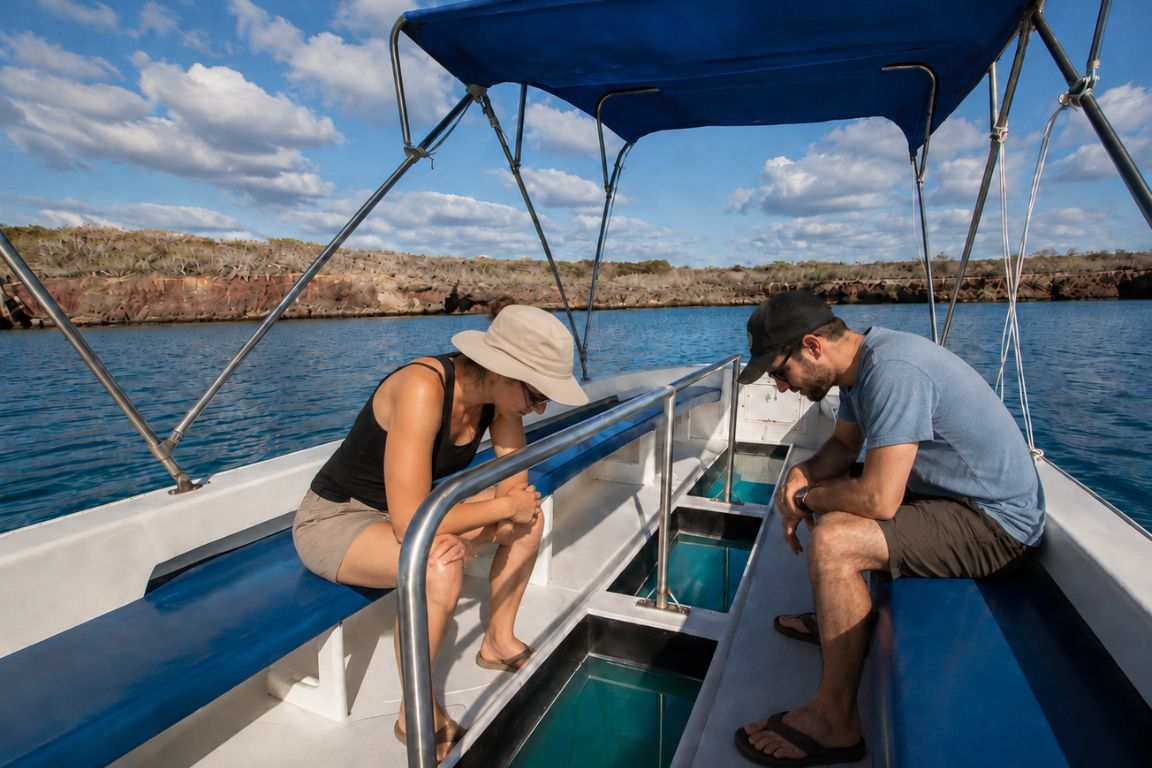
The daily structure is similar across all cruise classes: two excursions, meals, briefing, sleep. What changes is the flexibility within that structure. Luxury vessels extend at sites when the wildlife warrants it, offer more simultaneous activity options (snorkel or kayak or glass-bottom boat at the same time), run smaller landing groups, and have more on-board enrichment in the evenings. Budget boats follow the same park schedule but with fewer choices and less flexibility at each site.
Trying to figure out if a glass-bottom boat excursion delivers a genuine wildlife experience or just a tourist add-on? Here’s the guide on glass-bottom boat excursions in the Galapagos so you decide with confidence.
| Daily Element | Budget / Mid-Range | Luxury / First-Class |
|---|---|---|
| Excursion timing | Fixed schedule; departs and returns on schedule regardless of what is happening ashore | Flexible; guide can extend a visit if an albatross is mid-display or a hammerhead school appears |
| Activity choice | Single scheduled activity per excursion slot; whole group does the same thing | Simultaneous options at some sites: snorkel group and hiking group depart together, return together |
| Panga loading | Larger vessels may rotate groups to shore, creating wait times on board | Small vessels: everyone ashore at once, no rotations, no queuing |
| Evening briefing | Standard overview of tomorrow’s schedule | Deeper ecological context; current conservation updates; question-and-answer with naturalist |
| Evening activities | Dinner, socializing, sleep | Dinner, optional stargazing with naturalist, cooking demonstrations, themed events (equator crossing ceremony, pirate night on some vessels) |
Schedule elements vary by vessel and operator. Verified September 2026.
What Is a Wet Landing vs. a Dry Landing, and What Should You Expect?
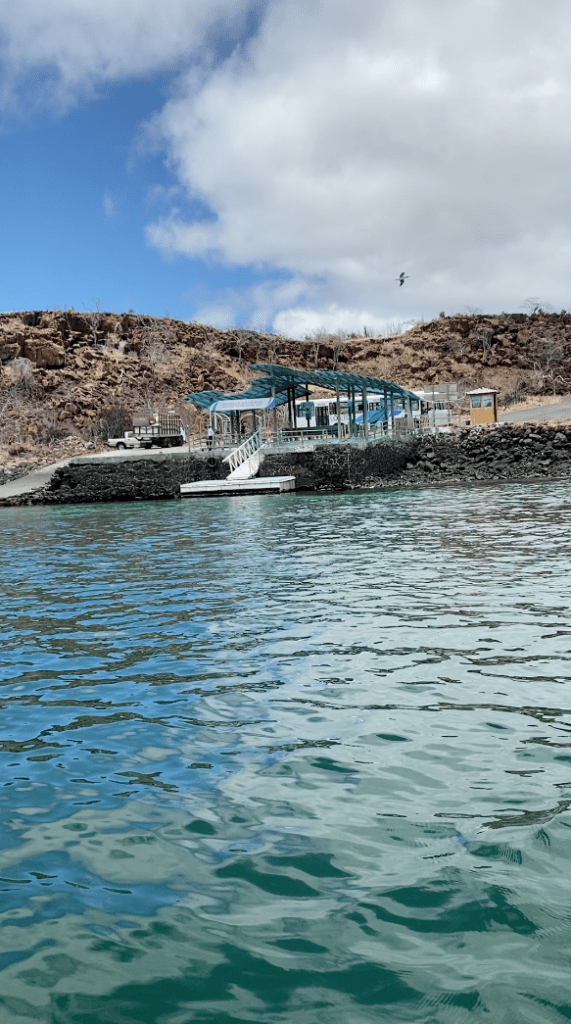
A wet landing means you step off the panga into shallow water (ankle to knee depth) and wade to shore. A dry landing means the panga pulls alongside a rock shelf, dock, or jetty and you step directly onto dry ground. Your guide announces which type is coming before departure so you can prepare your footwear accordingly. Wet landings are more common and less intimidating than first-time cruisers usually expect.
The wet landing announcement creates mild anxiety in travelers who have never done one. It should not. The panga driver positions the bow a meter from shore, two crew members hold the hull steady, and guests step off one at a time into water that is usually at ankle depth. On a soft sand beach, you walk straight out and dry your feet with the towel the crew hands you before you put your hiking shoes on. The whole process takes two minutes per person and is unremarkable by day two.
The footwear logistics are the part that benefits from preparation. Most guides recommend bringing two footwear options: water sandals with a heel strap (Teva-style) that you can wear through wet landings and walk short distances in, and closed-toe hiking shoes or trail runners for lava-cobble trails and longer walks. For a wet landing that leads to a serious hike, you wear the sandals through the water, dry your feet on shore, then change into hiking shoes from your daypack. The shoes you wear ashore stay in a rack near the vessel’s boarding platform when you return, keeping the interior clean.
Dry landings require more care than they sound. The term “dry” refers to your feet, not the landing surface. Stepping off a panga onto wet, black lava rock in socks is a fast route to an ankle injury. The crew assists with every landing, offering a hand as you transfer from the boat to the shore. The rule on every Galapagos vessel: use the crew’s assistance, regardless of your own fitness and confidence. This is what they are there for.
The trails on a Galapagos cruise are unlike any hiking you’ve done before – wildlife steps aside for no one here. Here’s a guide on what hiking trails to expect on a Galapagos cruise so you pack right and show up prepared.
How Much Free Time Do You Get on a Galapagos Cruise?
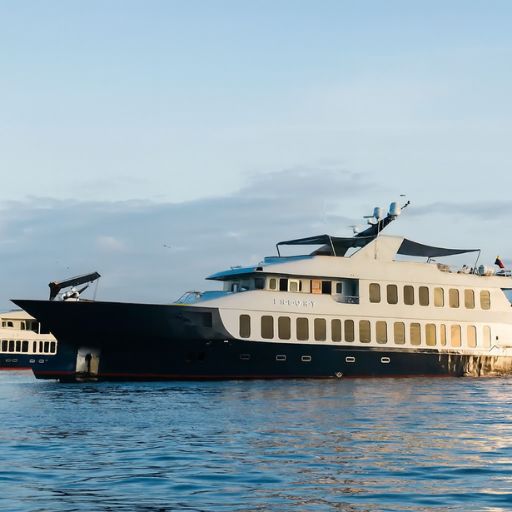
Free time on a Galapagos cruise is limited by design. The park permits visitor site access only between 6:00 a.m. and 6:00 p.m., and the schedule is built to use that window fully. The genuine downtime in a typical day is the midday window between excursions (roughly 1 to 2 hours) and the period after dinner in the evening (roughly 1 to 1.5 hours before most people are in bed). This is not a cruise for lounging; it is an expedition. Travelers who need significant unstructured downtime should factor that into their expectations.
The pace surprises travelers who have experience with other cruise types. On a Mediterranean cruise, sea days are genuinely lazy: pool, book, cocktail, dinner. On a Galapagos cruise, there are no sea days in the traditional sense. Every day has two excursions. The vessel sails overnight so you don’t waste daylight hours at sea. The schedule is productive from wake-up to dinner, and most people find this energizing rather than tiring because what you are doing during those hours is extraordinary.
The opt-out option is always available and never judged. If you need an afternoon to simply sit on the sun deck and watch the ocean while everyone else does the second snorkel session, you can do that. If the morning hike is more demanding than expected and you want to stay on the vessel for the afternoon landing, you can do that. The guides note who is participating and manage accordingly. A well-run vessel has crew who check on guests who have stayed behind and make sure they are comfortable.
What Travelers Say About the Daily Structure (Our Data)
From feedback collected through mytrip2ecuador.com and our YouTube audience, here is what travelers most consistently name when reflecting on the day-to-day experience of a Galapagos cruise:
| Factor | % Who Named It | Pattern Observed |
|---|---|---|
| Early mornings harder than expected | 61% | More than half of travelers named the early start as initially difficult, and the same proportion said by day three they were waking before the alarm because they were excited about what was coming. |
| Wet landings less intimidating than anticipated | 78% | Travelers who were anxious about wet landings before departure consistently reported that the reality was straightforward, with crew assistance making the process easy. |
| Evening briefing named as a highlight | 54% | Travelers on luxury and first-class vessels named the naturalist evening briefing as one of their favorite parts of the day, often continuing conversations from the briefing through dinner. |
| Midday rest window underestimated | 47% | Travelers frequently reported being surprised by how much they needed and appreciated the midday window, which they had assumed was wasted time before the trip. |
| Asleep earlier than expected | 83% | The vast majority of travelers reported being in bed before 10:00 p.m. every night without intending to, attributing it to the physical activity, the sea air, and the satisfaction of genuinely full days. |
Frequently Asked Questions
What time do you wake up on a Galapagos cruise?
Typically between 5:30 and 6:30 a.m. The Galapagos National Park opens visitor sites at 6:00 a.m., and the best wildlife activity, light, and temperatures are in the early morning hours. Most guides schedule the first panga departure between 6:30 and 8:00 a.m. depending on how long the site takes to reach.
How many excursions do you do per day on a Galapagos cruise?
Two: one in the morning and one in the afternoon. Each excursion visits a different location and typically combines a land walk with a water activity or offers them as options. All must finish by 5:00 p.m. per park rules.
What is a wet landing in the Galapagos?
A wet landing means stepping off the panga into shallow water (typically ankle to knee depth) and wading to shore. The guide announces before departure whether the landing is wet or dry so you can prepare your footwear. Crew assist with every landing. Wet landings are more common than dry landings and become routine within the first day.
Is there free time on a Galapagos cruise?
Limited, by design. The genuine downtime is the midday gap between excursions (1 to 2 hours for lunch and rest) and the period after dinner (1 to 1.5 hours before most guests sleep). Any activity can be opted out of, but the days are structured and active. This is an expedition, not a leisure cruise.
What time does the vessel sail between islands?
Overnight, in almost all cases. The Galapagos National Park permits visitor site access only between 6:00 a.m. and 6:00 p.m., so vessels use the nighttime hours for inter-island navigation. You go to sleep anchored in one place and wake up anchored at the next site. This is one of the structural advantages of a cruise over land-based island hopping.
Ready to See What a Galapagos Cruise Day Feels Like From the Inside?
The daily rhythm on a Galapagos cruise is unlike anything most travelers have experienced on any other trip, and it is something we know well after years of placements and personal visits. If you are trying to figure out whether the pace and structure suit you, or if you want to find the cruise that balances activity and rest in a way that fits your travel style, we are happy to walk you through the options. Cruises To Galapagos Islands is rated 4.9 stars on Google and TripAdvisor, and every conversation with us is free with no commitment required. Fill out the contact form and we will get back to you with cruise options that match how you like to travel.
Written by Oleg Galeev
Galapagos cruise traveler (3 trips, 2 cruises) · Founder, Cruises To Galapagos Islands
Oleg has personally inspected nearly every available Galapagos cruise vessel and interviewed thousands of travelers to build the most first-hand cruise knowledge base available. He also runs the Ecuador travel blog mytrip2ecuador.com and the YouTube channel My Trip to Somewhere.
Cruises To Galapagos Islands is rated 4.9 stars on Google and TripAdvisor.
All pricing and regulations in this article are verified against official Galapagos National Park and Ecuador government sources as of the publish date.