Worst Time To Visit The Galápagos
Part of our guide to the best time of year to take a Galapagos cruise. Ready to pick a ship? See Galapagos cruises by price, size and class.
Quick Facts: Worst Times To Visit The Galápagos
| If Your Worry Is | Worst Months | What Actually Happens | Better Months |
|---|---|---|---|
| Seasickness | August and September | Strongest swell of the year, worst on western routes and overnight crossings | December to May |
| Price | Christmas to New Year, Easter week, July and August | Premiums often 15 to 30% over shoulder rates on the same ship | September to November, plus May |
| Crowds and availability | July and August, mid-December onward | Best cabins on quality boats sell out first, often 9 to 12 months ahead | February, May, October |
| Rain and heat | February and March | Wettest months, short afternoon showers, air up to about 30 to 31°C | June to November |
| Cold water | August to October | Water drops to roughly 19 to 23°C, colder in the west | February to April (23 to 27°C) |
| Waved albatross | January to March | The Española colony is away at sea | April to December |
| Whale sharks (divers) | December to May | Darwin and Wolf whale shark season is mainly June to November | June to November |
| Choice of ships | September and October | Some vessels take their annual dry dock | Any other month |
Fixed costs do not change with the season. The Galápagos National Park entry fee is US$200 for foreign adults and US$100 for children under 12, and the transit control card is US$20 per person, registered online before your flight to the islands.
When Is The Worst Time To Visit The Galápagos?
For most travelers, the worst time to visit the Galápagos is August and September. These are the roughest months at sea, August is also one of the most expensive, and the water is at its coldest. But "worst" only holds for the traveler it hurts. A diver chasing whale sharks would call the same weeks the best of the year.
The islands never close. There is no hurricane season, no month when the wildlife leaves, and no month when the cruise fleet stops sailing. Every week of the year a boat is anchored off Española or Genovesa with guests watching sea lions on the beach. What changes is the trade-off: calm water against marine life, low prices against ship choice, warm snorkeling against seabird courtship.
So the useful question is not "when is the worst time?" but "what would ruin this trip for me?" Get that answer first, and the bad months pick themselves. Somebody who gets seasick on a ferry should treat August as the worst month on the calendar. Somebody whose whole reason for going is the waved albatross should treat February the same way. A family on a fixed budget should avoid Christmas week even though the sea is calm and the water is warm.
The rest of this guide takes each of those mismatches in turn: rough seas, price and crowds, rain and heat, and the wildlife that keeps a calendar. Then it looks at the opposite case, when a supposedly bad month is the smartest booking you can make.
The Two Seasons In One Paragraph
The Galápagos has two seasons, not four. The warm, wet season runs roughly December to May: sunny, hot, calmer seas, water of 23 to 27°C and short tropical showers. The cool, dry season, also called the garúa season, runs roughly June to November: grey skies, mist in the highlands, choppier seas, colder water and the richest marine life of the year. Almost every "worst time" on this page is one season's weakness seen from the other side.
Why Are The Seas Roughest In August And September?
From June the cold Humboldt Current pushes north into the islands and the southeast trade winds strengthen. Together they build a steady swell that peaks in August and September. It is felt most on western routes, on the exposed south and west coasts, and on overnight crossings between islands.
Most Galápagos cruises move between islands at night, so you wake up at a new visitor site. That is efficient, but it means the open-water crossings happen while you are trying to sleep. In the warm season those crossings are usually smooth. In August and September a small monohull can roll for hours, and a share of every boat's passengers spend the first night lying very still.
Not every route is equally exposed. The western islands involve crossing the Bolívar Channel between Isabela and Fernandina, which picks up the full force of the season. The central islands sit in more sheltered water, and the short hops between Santa Cruz, Santiago, Bartolomé and the Plazas are gentler. The long run out to Genovesa in the north and down to Española in the south can be lively in any month and more so in the dry season.
The same cold water that makes the sea rough is what makes the dry season so good underwater. Nutrients from the deep feed plankton, the plankton feeds fish, and the fish bring penguins, sea lions, hammerheads and, at Darwin and Wolf, whale sharks. That is the honest trade-off of August and September: the best marine life of the year, delivered on the bumpiest water.
What Cold Water Means For Snorkeling
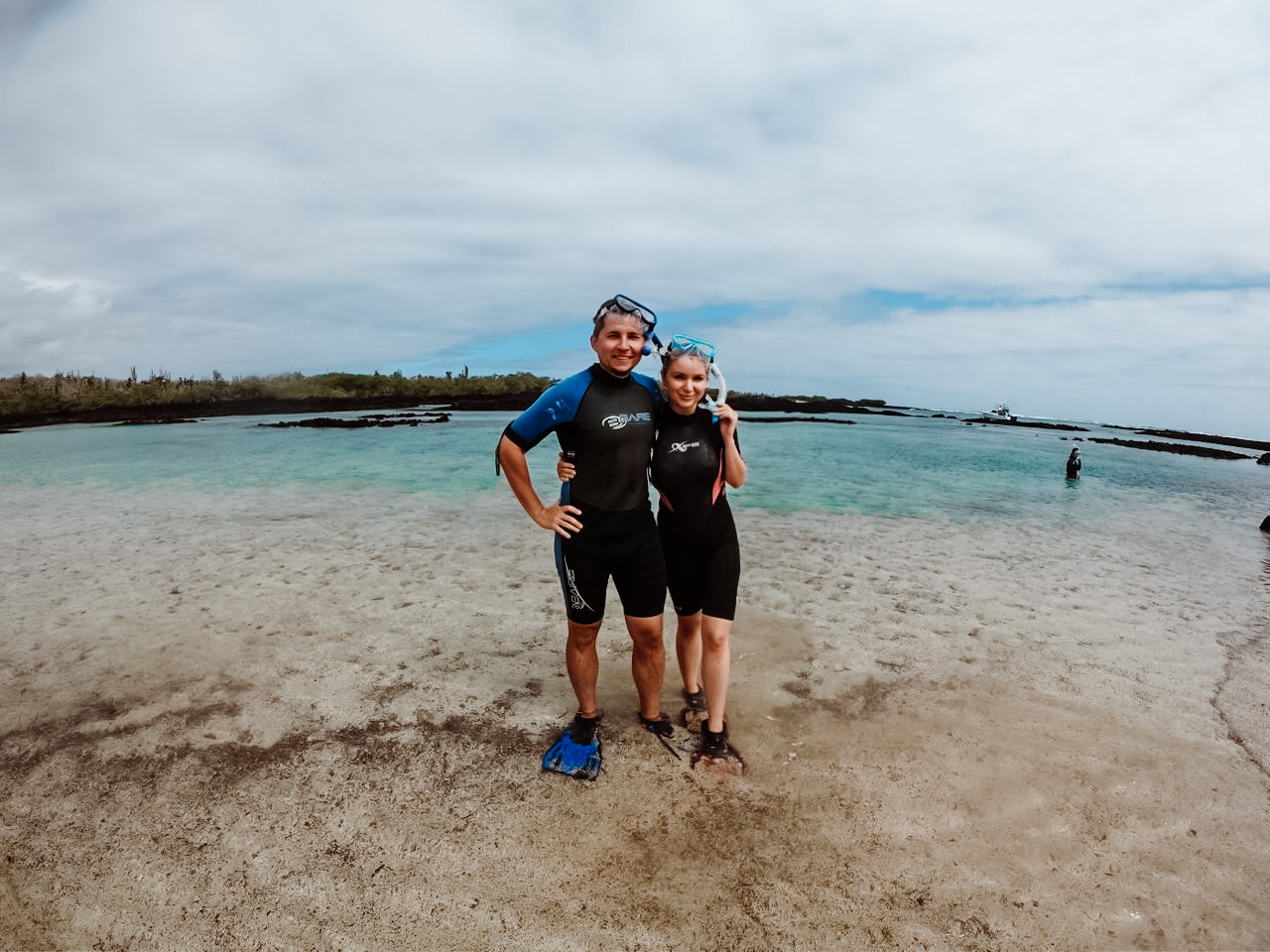
In the cool season the water sits at roughly 19 to 23°C, and it is colder still on the western side where the upwelling is strongest. Most snorkelers want a full wetsuit from August to October. Some boats include them, others rent them, and a few smaller budget boats have limited sizes. If you feel the cold, check what your boat provides before you book rather than finding out on the first deep-water snorkel.
How To Make A Rough-Season Cruise Work
- Pick a stable hull. Larger ships and catamarans move less than small monohulls. Our comparison of catamaran and monohull stability explains why.
- Choose the route as carefully as the boat. A central or eastern itinerary is a calmer bet than a western one in August.
- Ask for a lower-deck cabin near the middle of the ship. It moves least.
- Start medication before the first crossing, not after. See how to avoid seasickness and what happens if you get seasick on board.
Which Months Are Most Crowded And Expensive?
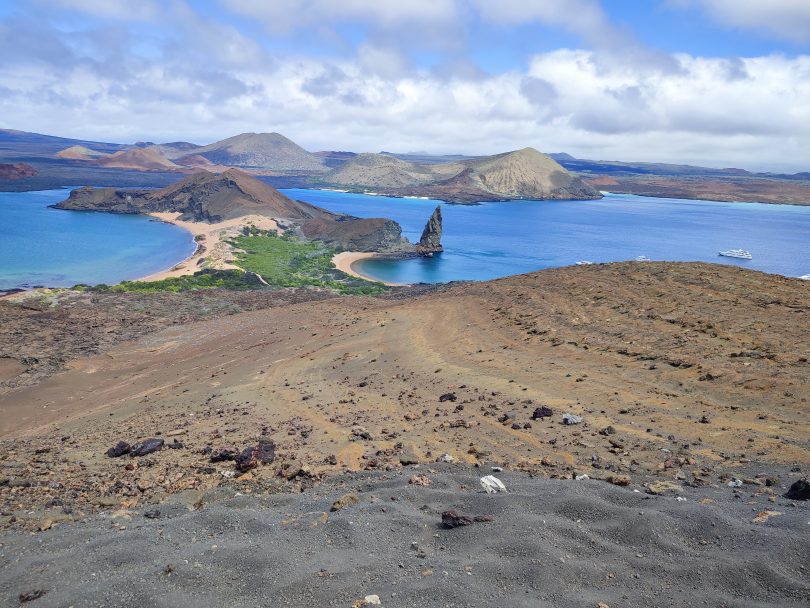
Three windows set the highest prices of the year: Christmas to New Year, Easter week, and July to August when school holidays in North America and Europe overlap. On the same ship these dates often cost 15 to 30% more than the shoulder season, and the best cabins on the most popular boats sell out first.
Galápagos cruises are not mass-market cruising. The whole fleet is small, most boats carry 16 to 100 guests, and the National Park caps how many visitors can be at each site at once. When demand spikes, there is no extra capacity to absorb it. Prices go up, availability goes down, and travelers who book late end up on whatever boat still has a cabin rather than the boat they actually wanted.
For quality boats in July, August and the holidays, booking 9 to 12 months out is normal. For Easter, check which month it falls in that year. It moves between late March and April, and the premium moves with it.
Price And Availability By Month
| Month | Relative Price | Availability | Worth Knowing |
|---|---|---|---|
| January | High early, moderate late | Limited in the first weeks | The holiday premium lingers until about the second week |
| February | Moderate | Good | Wet and hot, but calm and warm in the water |
| March | Moderate, high at Easter | Tight around Easter | One of the two rainiest months |
| April | Moderate, high at Easter | Tight around Easter | Albatross return to Española |
| May | Moderate | Good | Some boats discount; strong wildlife |
| June | Moderate to high | Getting tight | Summer season starts, seas begin to build |
| July | Peak | Very limited | Highest demand of the year |
| August | Peak | Very limited | Peak price and roughest seas at once |
| September | Low | Best of the year, fewer ships sailing | Dry dock season; the cheapest month |
| October | Low | Good | Still choppy, still excellent wildlife |
| November | Moderate | Good | Seas calm down, water warms |
| December | Moderate early, peak mid-month on | Tight from mid-month | Early December avoids the holiday spike |
The cheapest window is September to November, with some boats also discounting in May. Rates there typically run 15 to 25% below July and August on the same vessel. If price matters more than anything else, September and October are the months to look at first, as long as you can live with the sea conditions described above. Our guide to the best time to book for maximum discounts covers last-minute deals and early-booking offers.
The Holiday Weeks Are Different
Christmas and New Year deserve their own warning. The weather is lovely, the sea is calm and the water is warming up, which is exactly why the price is at its highest. Some operators sell holiday departures as special itineraries with fixed dates. If you want a luxury ship over the holidays, budget for it honestly. If you want value, the stretch from about January 6 to late February offers the same warm-season conditions at noticeably lower rates.
Which Months Are Worst For Specific Wildlife?
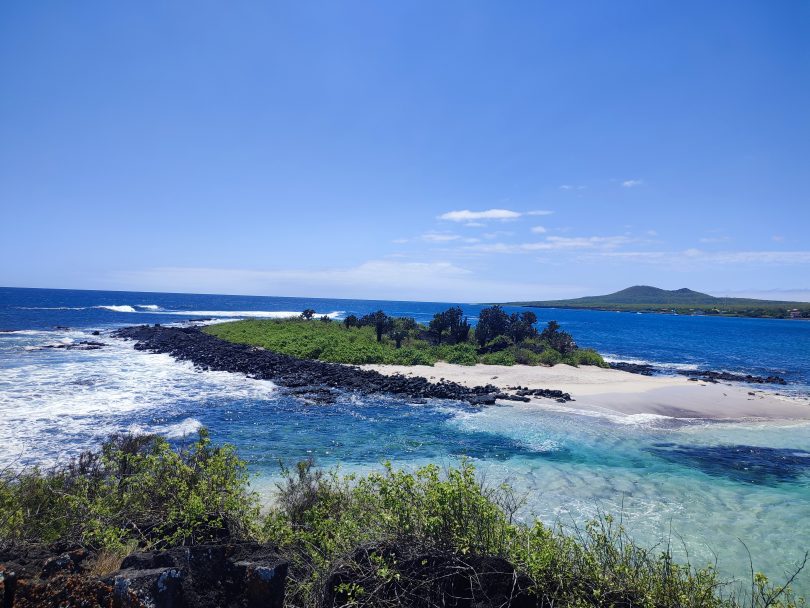
Most Galápagos animals live in the islands all year, so you will see sea lions, marine iguanas, giant tortoises, boobies and frigatebirds in any month. A few headline encounters are strictly seasonal, though, and if one of them is your reason for going, it decides the trip.
Waved albatross. Essentially the entire world population of the waved albatross nests at Punta Suárez on Española. The birds are away at sea from January to March, return around late March and April, and stay until the fledglings leave in December. Visit Española in February and you get a beautiful island with no albatross. For anyone who came for the courtship dance, that is the worst time of all.
Whale sharks. Whale sharks at Darwin and Wolf are mainly a June to November event, with the strongest months in the middle of that window. From December to May sightings are far less reliable, which makes those months the weakest choice for a liveaboard dive trip built around them.
Blue-footed booby courtship. Boobies are present all year, but the famous foot-lifting display is strongest around April on North Seymour and through the nesting peak on Española in July. Outside those windows you will still see the birds, just with less of the show. See which islands to visit for blue-footed boobies.
Penguins. Galápagos penguins are resident, mostly around Isabela, Fernandina and Bartolomé. They are more active in the cold, fish-rich water of the dry season, so warm-season trips on central routes have a lower chance of seeing them in the water.
The map shows how spread out these sites are. Española is in the far southeast, Darwin and Wolf are far to the northwest and only reachable on dive liveaboards, and the penguin coast is in the west. No single week-long itinerary covers all of them, which is why choosing your one must-see animal matters so much.
What Are February And March Really Like?
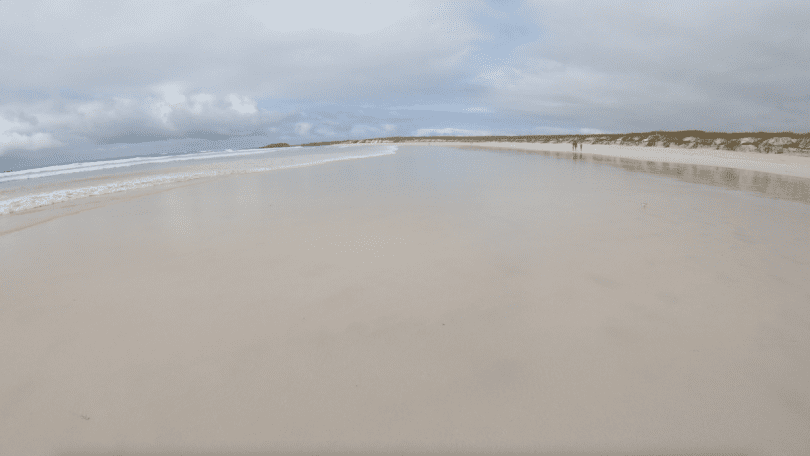
February and March are the wettest and hottest months in the Galápagos. Rain usually arrives as short, heavy afternoon showers rather than whole days of downpour, and air temperatures peak at around 30 to 31°C. For anyone who struggles in heat, or who pictured dry, sunny hikes every day, these are the least comfortable months on land.
The black lava rock soaks up the sun and radiates it back, so a midday walk across Sullivan Bay or up to the Bartolomé viewpoint feels hotter than the thermometer suggests. Most good operators schedule landings early in the morning and late in the afternoon for exactly this reason. Shade is rare at most visitor sites, so a wide hat, plenty of water and real sun protection are not optional.
The rain itself rarely ruins a day. It tends to arrive, soak everything for half an hour and move on, and the islands turn green in a way they never are in the dry season. The highlands of Santa Cruz in March look like a different archipelago from the brown lowlands of August.
And the water makes up for a lot. Sea temperatures of around 23 to 27°C, warmest from February to April, mean you can snorkel without a wetsuit, stay in longer and see clearly. Seas are at their calmest. For first-time snorkelers, families with children and anyone worried about seasickness, the "worst" weather months can be the most enjoyable trip of the year. Compare every month side by side in our Galápagos weather and water temperature by month table.
Which Routes Suffer Most In The Rough Season?
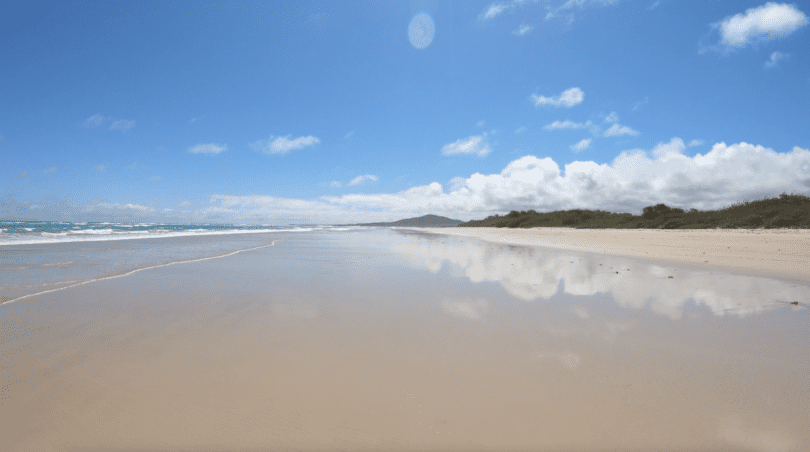
The western islands take the brunt of the dry season. Crossings around Isabela and Fernandina face the full southeast swell and the coldest upwelling water, while central routes stay in more sheltered channels. If you have to travel in August or September and worry about the sea, the route is the single biggest thing you control.
Every Galápagos cruise follows a fixed itinerary approved by the National Park, and most boats alternate between two or more loops. That means the same ship might sail a sheltered central loop one week and an exposed western loop the next. When you compare departures in the rough season, compare the route first and the boat second.
| Route | Typical Highlights | Rough-Season Exposure | Suits In Aug And Sep |
|---|---|---|---|
| Western | Isabela, Fernandina, penguins, cormorants | Highest (Bolívar Channel) | Strong stomachs |
| Central | Santa Cruz, Santiago, Bartolomé, North Seymour | Lowest, sheltered hops | Seasickness worriers |
| Southern | Española, Floreana, Santa Fe, South Plaza | Moderate | Albatross watchers |
| Genovesa (north) | Red-footed and Nazca boobies | Moderate to high | Seabird lovers |
| Darwin and Wolf | Hammerheads, whale sharks (dive boats only) | High, open ocean | Experienced divers |
| Eastern | San Cristóbal, Española, Floreana | Moderate | A balanced first cruise |
None of this means you should skip the west. Fernandina and the Isabela coast are some of the wildest places in the islands, and the cold season is when they are at their richest. It just means a western loop in August is a trip for people who know they can handle it, ideally on a larger ship or a catamaran.
If you are in two minds, a longer cruise helps. An 8-day itinerary or longer spends more nights in sheltered anchorages between the long crossings, and gives your body time to adjust after the first night. The first 24 hours are usually the worst, whatever the season.
What Does Dry Dock Season Mean For Your Choice Of Ship?
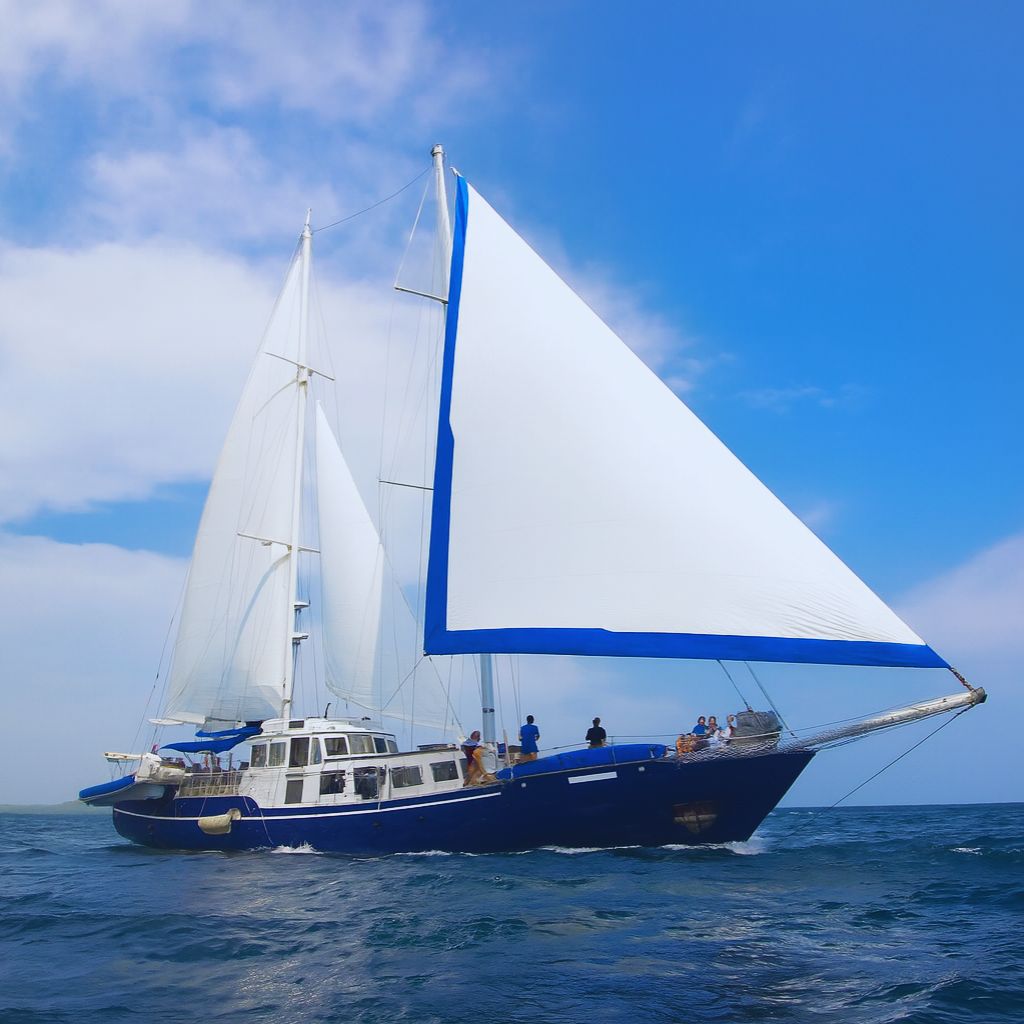
September and October are the lowest-demand months of the year, so many operators use them for annual maintenance. Some boats stop sailing for a few weeks, which leaves fewer ships and fewer departure dates to choose from. Prices are at their lowest, but your first-choice boat may simply not be running.
Dry dock is routine and good news in the long run. It is when hulls are cleaned, engines serviced, cabins refreshed and safety equipment renewed. A boat that came out of dry dock in October is in better shape for the rest of the year. The catch is only for travelers whose dates fall inside that window.
Operators publish their dry dock dates in their departure calendars, usually a year or more ahead, though dates can shift. If you have a specific boat in mind for September or October, check its calendar before you build the rest of the trip around it, and have a second choice ready. A good specialist will already know which boats are out in which weeks.
The upside is real. The boats still sailing in September and October are competing for fewer passengers, which is when last-minute discounts are most common. If you are flexible on the ship and firm on the budget, this is the window where that flexibility pays off most. See whether Galápagos cruise prices are negotiable.
Is A "Bad" Month Ever The Smart Choice?
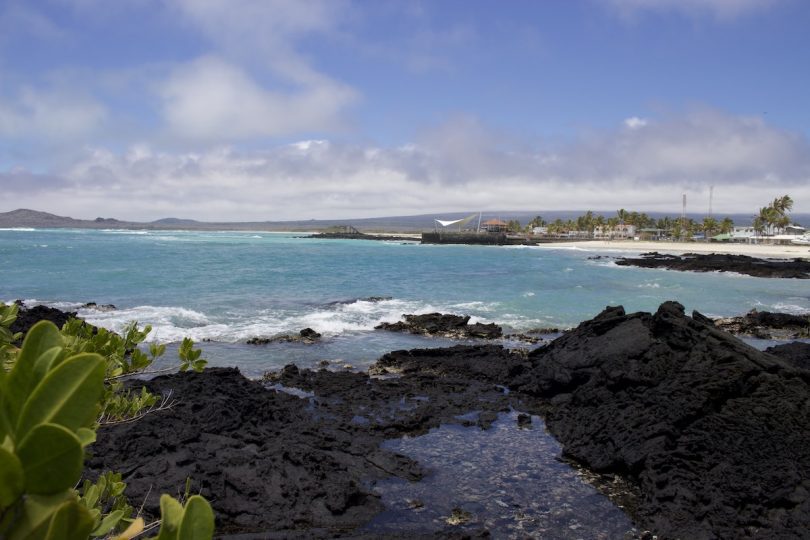
Often, yes. September is the clearest example: it is rough at sea and some ships are in dry dock, but it is also the cheapest month of the year, the least crowded, and right in the most productive season for marine life. For a traveler with a strong stomach on a stable boat, it is one of the best-value trips the islands offer.
The logic works because the trade-offs rarely stack. The months that are bad for one thing are usually good for another. September has rough water but low prices and great wildlife. February has heat and rain but calm seas and warm water. Christmas has the highest prices but some of the best conditions of the year. Only August combines two big negatives, peak price and the roughest seas, and even August delivers superb marine life.
Here is how the "bad" months can work in your favour:
- September and October suit value hunters, divers and keen wildlife watchers who handle motion well. Book a catamaran or larger ship and favour central or eastern routes.
- February and March suit families, first-time snorkelers and anyone who gets seasick. Accept the heat, plan for showers, and skip Española if the albatross is essential.
- Late January suits budget-minded travelers who want warm-season conditions without holiday pricing.
- Early December sits just before the holiday spike, with warming water, calming seas and giant tortoise eggs starting to hatch.
The real mistakes come from booking a month for the wrong reason. Booking August because it is the summer holiday, for someone who is badly seasick. Booking Easter week on a tight budget. Booking February for the albatross. Match the month to your one non-negotiable, then fit everything else around it, and almost any time of year works.
What Timing Mistakes Do Travelers Make Most Often?
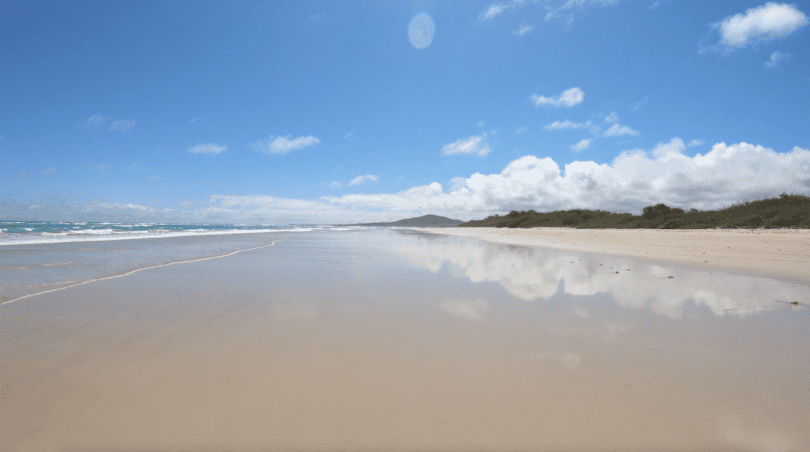
Most timing regrets come from one of four mistakes: booking peak season by default, ignoring the route when the sea is rough, chasing a seasonal animal in the wrong month, and leaving holiday trips too late. All four are easy to avoid once you know about them.
Booking Summer Because It Is Summer
July and August are when many people can travel, so they book them without checking what those months are like in the islands. They get the highest prices and the roughest crossings of the year. If those months are your only option, book early, choose a stable boat and a sheltered route, and pack seasickness medication. If you have any flexibility, moving to late May or November changes the trip a great deal.
Choosing The Boat But Not The Route
Travelers spend weeks comparing cabins and almost no time on the itinerary. In the dry season the route matters as much as the ship: a western loop in August is a very different experience from a central loop in the same week. Many boats run two or more alternating itineraries, so the same ship can be the right or wrong choice depending on the departure date. See which itinerary visits the most islands.
Chasing An Animal Out Of Season
The waved albatross in February and whale sharks in March are the classic cases. Both are well documented, and both catch people out every year. If one animal is the reason for the trip, check its season before you check prices.
Leaving Holiday Trips Too Late
Christmas, New Year and Easter departures on popular boats can be full most of a year ahead. Travelers who start looking in October for a December trip often find only the most expensive suites, or boats they would not have chosen, still available.
Frequently Asked Questions
What Is The Worst Month To Visit The Galápagos?
For most travelers it is August. It combines peak prices with the roughest seas of the year and cold water. September is equally rough but much cheaper. If you are not prone to seasickness and do not mind a wetsuit, August still has outstanding marine life.
What Is The Rainiest Month In The Galápagos?
February and March are the wettest months. Rain usually comes as short afternoon showers rather than all-day downpours, and these are also the hottest months, with air temperatures peaking at around 30 to 31°C.
Is September A Bad Time To Visit The Galápagos?
September is rough at sea and some ships are in their annual dry dock, so the choice of boats is smaller. It is also the cheapest and least crowded month, with excellent marine life. It suits travelers who handle motion well and book a stable vessel.
When Can You Not See Albatross In The Galápagos?
The waved albatross is absent from Española from January to March. The birds return to Punta Suárez around late March and April and stay until December, so April to December is the window if you want to see them.
What Is The Cheapest Time To Visit The Galápagos?
September to November is usually the cheapest window, with rates often 15 to 25% below July and August on the same ships. May can also bring discounts. The park entry fee of US$200 per foreign adult and the US$20 transit card stay the same all year.
Which Months Have The Calmest Seas?
December to May has the calmest water of the year. It is the best window for anyone worried about seasickness, especially on smaller boats and on western routes.
Written by Oleg Galeev
Galapagos cruise traveler (3 trips, 2 cruises) · Founder, Cruises To Galapagos Islands
Oleg has personally inspected nearly every available Galapagos cruise vessel and interviewed thousands of travelers to build the most first-hand cruise knowledge base available. He also runs the Ecuador travel blog mytrip2ecuador.com and the YouTube channel My Trip to Somewhere.
Cruises To Galapagos Islands is rated 4.9 stars on Google and TripAdvisor.